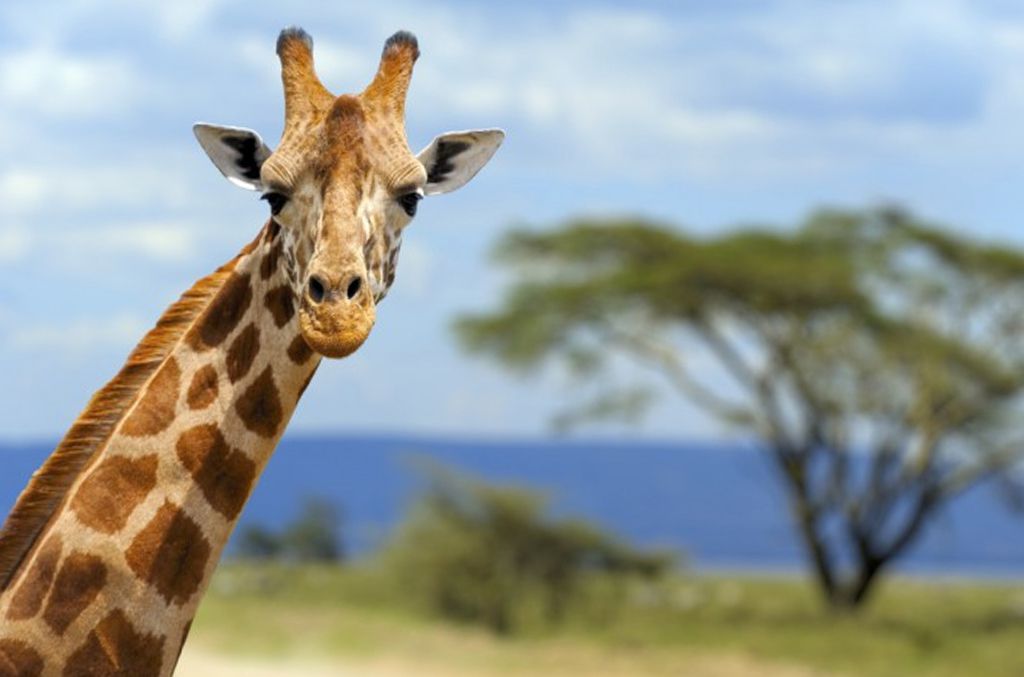
Is Tanzania safe for kids? Discover the best age-appropriate parks, family-friendly lodges, safety tips, and multi-generational safari itineraries — all designed to make your family’s Tanzania adventure unforgettable.
At Kilisa Tours and Safari, we plan family safaris with the same care we bring to every private journey — but with the added dimension of making the experience genuinely engaging, safe, and age-appropriate for every member of the group. In fact, some of our most rewarding itineraries are those we have built for families. This guide covers everything you need to know to plan a family safari in Tanzania — from choosing the right parks and camps, to safety, health, and how to keep children engaged throughout.
Is Tanzania Safe for Children?
This is the first question most parents ask — and the honest answer is yes, with the right preparation and the right operator. Tanzania welcomes families every year. Children thrive on safari when the itinerary is planned carefully around their ages, energy levels, and interests.
There are, however, genuine health and safety considerations that every family needs to understand and prepare for before they travel. We cover these in detail below. As a result of proper preparation, the great majority of family safaris in Tanzania are safe, smooth, and deeply rewarding experiences for children and adults alike.
The key factors are: choosing child-friendly parks and camps, managing malaria risk carefully, keeping game drive days manageable in length, and working with a knowledgeable, experienced local operator who knows how to adapt the experience for younger guests. At Kilisa Tours, all of these are central to how we build family itineraries.
What Age Is Right for a Tanzania Family Safari?
There is no single right answer, as every child is different. However, we can offer some honest guidance based on experience.
Under 5 Years Old
Very young children can enjoy a Tanzania safari, but the experience requires careful planning. Long game drives can be tiring for toddlers, and some camps have minimum age restrictions for safety reasons. Additionally, malaria prevention in very young children requires specific advice from a paediatrician. If you are travelling with a child under five, talk to us early in the planning process. We will identify the camps that welcome very young guests and design a relaxed itinerary with shorter drives and plenty of downtime.
5 to 8 Years Old
Children in this age group are generally old enough to understand what they are seeing and to engage meaningfully with the wildlife. Game drives at this age become genuinely exciting rather than simply tiring. However, two to three hours per drive is a realistic maximum for many children in this range. Choosing a private vehicle — which all our family safaris use — means the schedule is entirely flexible around your family’s needs.
9 to 12 Years Old
This is, in many ways, the sweet spot for a family Tanzania safari. Children in this age group are curious, engaged, and physically able to handle full game drive days. They are old enough to appreciate the wildlife and conservation context, yet young enough to experience the wonder of it all with genuine freshness. Some walking safari activities and cultural experiences become possible and highly rewarding at this age.
Teenagers
Teenagers often become some of the most passionate and engaged wildlife observers on safari. The combination of the physical adventure, the photography opportunities, and the sheer scale of the Serengeti or Kilimanjaro landscape tends to cut through teenage scepticism very effectively. For fit and motivated teenagers, a Kilimanjaro climb or a Mount Meru ascent alongside the family safari adds an extraordinary dimension of personal challenge and achievement.
The Best Parks for a Family Safari in Tanzania
Not all parks suit families equally. Some parks have terrain, wildlife density, and infrastructure that work better for children than others. Here is our guide to the best family-friendly destinations in Tanzania.
Tarangire National Park — Our Top Family Pick
Tarangire National Park is, in our view, the single best park for families in Tanzania. Here is why. The elephant density here is extraordinary — families of elephants are everywhere during the dry season, and children find elephants endlessly fascinating. The ancient baobab trees create a dramatic and photogenic landscape that captures children’s imagination. Furthermore, Tarangire has a good road network, making game drives comfortable. Wildlife encounters are frequent, which keeps younger attention spans engaged.
Additionally, Tarangire is relatively close to Arusha — around two and a half hours by road — making it an accessible first stop that suits jet-lagged families. A Tarangire day tour suits families with limited time. For those staying longer, it pairs naturally with Ngorongoro on many of our family itineraries.
Ngorongoro Crater — Wildlife in a Bowl
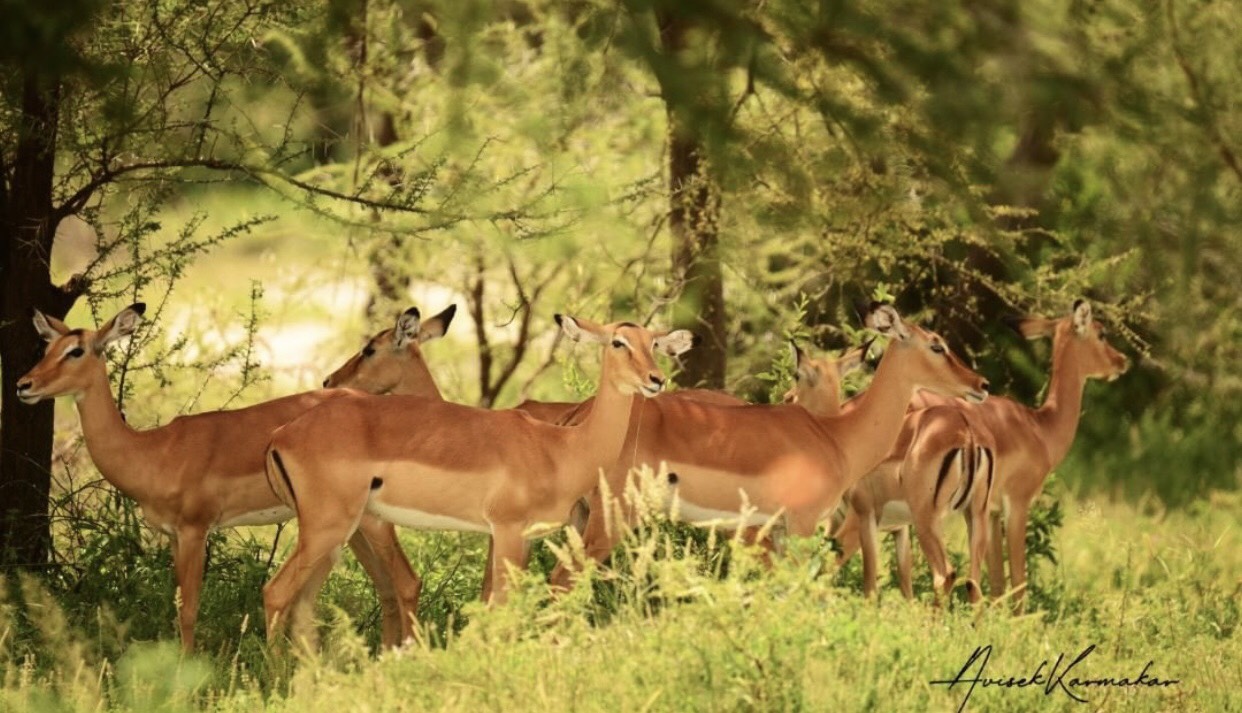
The Ngorongoro Crater is outstanding for families because of its compact size and extraordinary wildlife density. On a single day in the crater, a family can realistically see lions, elephants, hippos, flamingos, rhinos, and buffalo — often at very close range. For children, the variety and frequency of sightings makes it one of the most exciting days of any safari. Moreover, the crater itself is a visually dramatic landscape that creates a sense of wonder even before any animals appear.
Our Ngorongoro Crater day tour makes an excellent family outing. Many of our multi-day family packages include it as a core stop.
Serengeti National Park — The Big Stage
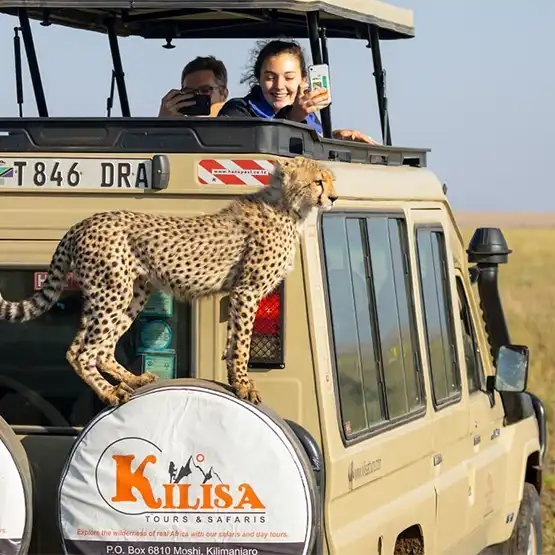
The Serengeti is a must on any Tanzania family safari — but it rewards families most when the drive days are managed well. The Serengeti is large, and drives between camps or to prime wildlife areas can be long. As a result, we recommend two or more nights here so that families can enjoy multiple shorter drives rather than one exhausting day. The sheer scale of the Serengeti — the endless plains, the enormous herds, the big cat sightings — creates a sense of awe in children and adults alike that no other park matches.
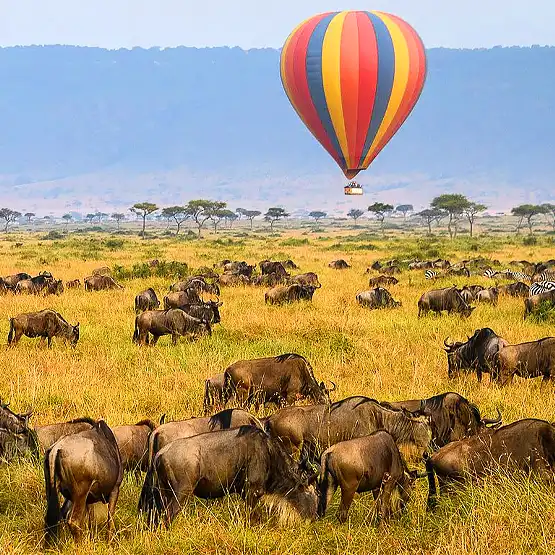
If you are travelling between July and October, the Great Wildebeest Migration adds a layer of drama that captivates children of all ages. Watching thousands of wildebeest cross the Mara River, with crocodiles waiting below, is a wildlife experience that no documentary can fully prepare children for.
Arusha National Park — The Perfect Starter
Arusha National Park is a wonderful choice for families arriving in Tanzania for the first time. It is just an hour from Arusha city, and it offers giraffe, zebra, buffalo, colobus monkeys, and flamingo-fringed crater lakes — all in a compact, accessible park. An Arusha National Park day tour is a low-pressure, high-reward introduction to Tanzanian wildlife that suits families with young children particularly well.
Lake Manyara — Tree Lions and Flamingos
Lake Manyara is small, beautiful, and very good for families. It is famous for its tree-climbing lions — a genuinely unusual phenomenon that children find fascinating — and for the pink flamingo flocks on the soda lake. Furthermore, the park is compact, meaning drives are shorter and wildlife encounters come quickly. A Lake Manyara day tour pairs well with Tarangire or Ngorongoro on a multi-day family itinerary.
Chemka Hot Springs — A Family Fun Stop
For families who want a break from game drives, the Chemka Hot Springs near Moshi offer crystal-clear natural pools surrounded by lush jungle. Children absolutely love swimming here. It is a wonderful activity to include between safari days and serves as a natural energy reset for the whole family before or after a Kilimanjaro visit.
Choosing Family-Friendly Safari Accommodation
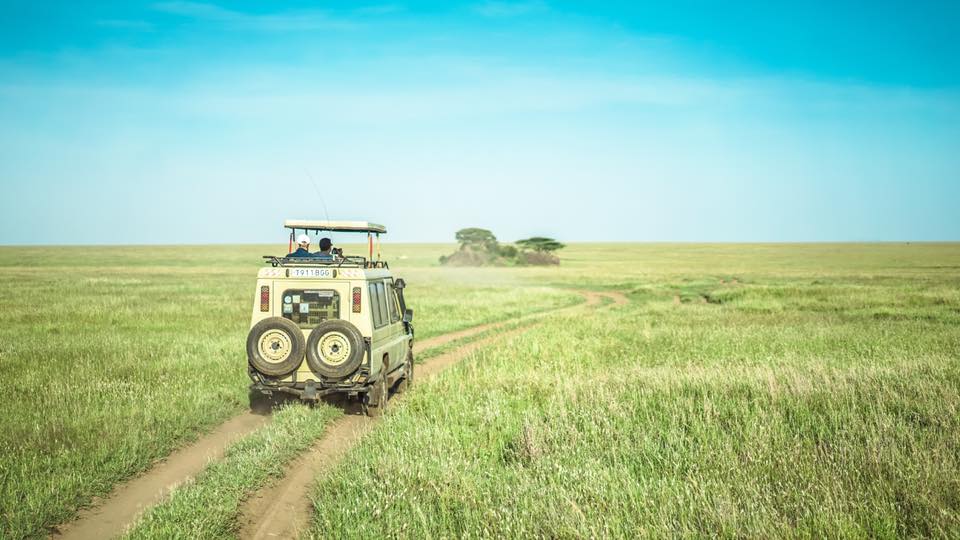
Accommodation choice is particularly important on a family safari. Not all luxury camps are suitable for children — some have minimum age restrictions, steep terrain, or unfenced areas that raise genuine safety concerns. Here is what to look for when choosing family-friendly accommodation in Tanzania.
Minimum Age Policies
Many high-end tented camps set minimum ages — typically eight or twelve years old. These exist for safety reasons. In areas with frequent wildlife movement through camp, very young children require careful supervision at all times. Therefore, when we plan a family safari, we specifically select camps that welcome children of your family’s ages and are set up to host them safely and enjoyably.
Family Room and Inter-Leading Tent Configurations
The best family camps offer dedicated family rooms, inter-leading tents, or adjacent accommodation units that allow parents to hear children at night while maintaining privacy. Additionally, some camps offer triple-room configurations that suit families travelling with grandparents. Tell us your family configuration when you enquire and we will match accommodation accordingly.
Swimming Pools
A swimming pool makes a huge difference on a family safari — particularly during the hot midday hours when most camps rest between game drives. Children can swim, play, and release energy while adults relax nearby. When selecting camps for family itineraries, we therefore prioritise properties with pools where possible.
Children’s Safari Activities
The best family camps offer specific activities for children — junior ranger programmes, guided nature walks at child-friendly pace, wildlife tracking exercises, and educational sessions about animals, plants, and ecology. These programmes engage children’s curiosity and give them a different relationship with the bush beyond simply watching from a vehicle. Consequently, children who participate in these activities are invariably more engaged and enthusiastic on game drives too.
Fenced vs. Unfenced Camps
Some safari camps are unfenced — meaning wildlife can and does walk through camp at any hour. This creates an extraordinary atmosphere for adults but requires careful supervision of young children, especially at night. Many family-friendly camps in Tanzania are either fully fenced or have managed perimeter systems. When we plan your family itinerary, we discuss fencing arrangements at every property and ensure families with young children are placed in appropriate accommodation.
Health and Safety for Children on a Tanzania Safari
Health preparation for a family safari in Tanzania deserves careful attention. The good news is that with proper planning, the risks are very manageable. Here is what every family needs to know.
Malaria Prevention for Children
Malaria is present throughout Tanzania’s national parks and safari areas. It is the most significant health concern for families travelling to Tanzania. Anti-malarial medication is available for children, though the options differ from adult formulations. Notably, doxycycline is not suitable for children under eight. Your paediatrician or travel health clinic will recommend the right medication based on your children’s ages and weights.
In addition to medication, consistent insect repellent use and appropriate clothing at dusk and dawn are essential for children as well as adults. Most family-friendly camps also provide mosquito nets over beds and use ambient insect control. See our full immunisation and medical kit guide for detailed health preparation advice.
Vaccinations for Children
Children travelling to Tanzania need the same core vaccinations as adults — hepatitis A, typhoid, and up-to-date routine childhood vaccinations. Yellow fever vaccination may be required depending on your country of origin. Visit a paediatric travel health clinic at least six weeks before departure. Doses and schedules differ for children, so specialist advice is important.
Sun Protection
Tanzania straddles the equator and the sun is intense — particularly during open-vehicle game drives. Children’s skin is more sensitive than adults’. Therefore, broad-spectrum SPF 50+ sunscreen, UV-protective sunglasses, and wide-brimmed hats are essential for every child on every game drive. Reapply sunscreen frequently, especially after sweating.
Hydration
Children dehydrate faster than adults, particularly in the heat of an African afternoon. Carry plenty of water on every game drive and encourage children to drink regularly throughout the day. All our vehicles carry a stocked cool box. Additionally, oral rehydration salts are a sensible addition to your family medical kit.
Wildlife Safety Rules
Children must understand and follow the basic wildlife safety rules before they arrive. These are simple but important: stay seated and quiet in the vehicle during wildlife sightings; never reach out of the vehicle; never make sudden loud noises near animals; and always follow your guide’s instructions immediately and without question. Our guides brief all guests — including children — on these rules at the start of every game drive. In practice, most children take these rules very seriously once they understand the reasons behind them.
Travel Insurance for Families
Comprehensive travel insurance covering all family members — including children — is essential. Your policy must cover medical evacuation, as medical facilities near the national parks are limited. Make sure children are explicitly included in the policy and that it covers the specific safari activities on your itinerary.
Tips for Keeping Children Engaged on Safari
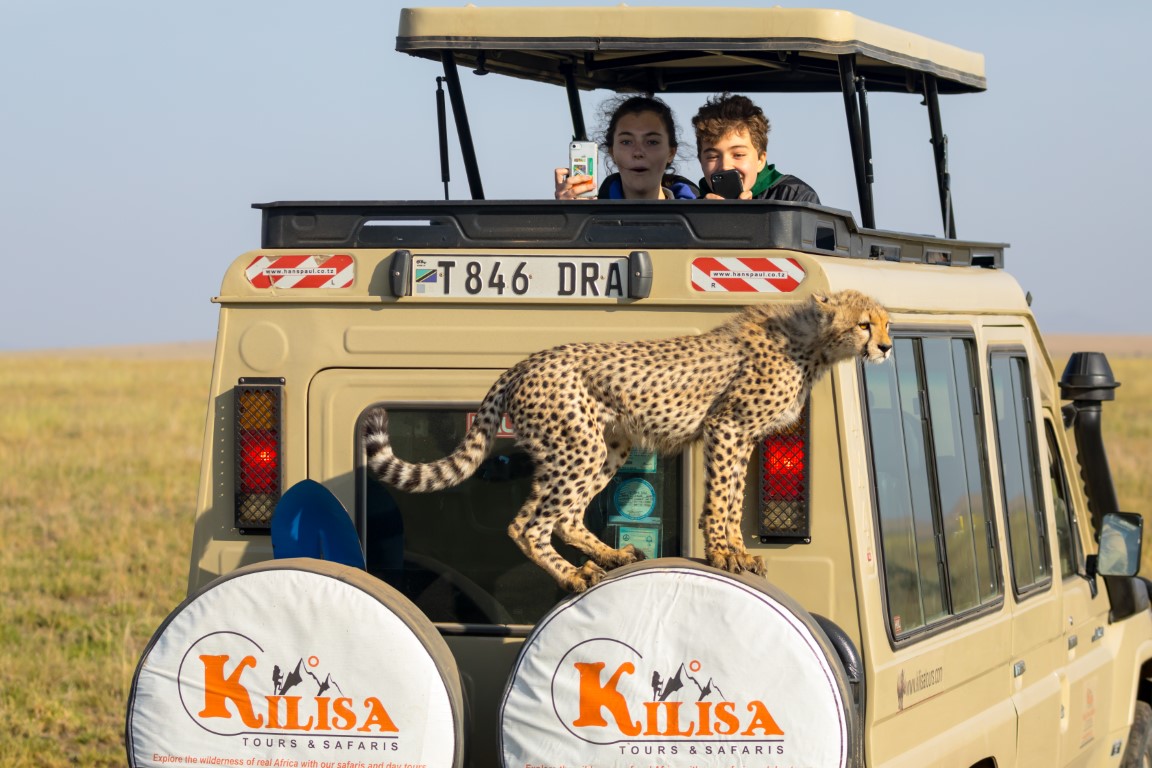
Even the most enthusiastic young wildlife fans can lose focus after a long stretch of driving without a sighting. Here are the strategies that our guides and experienced family safari operators swear by.
Give Children a Job
Children engage far more deeply when they feel responsible for something. Give them the binoculars and make them the official animal spotter. Ask them to keep the wildlife list and tick off every species the family sees. Assign them the camera for part of the drive. When children have a role, they stay alert and invested in what is happening around them.
Use a Wildlife Checklist
A pre-printed Big Five or Big Seven checklist — with illustrations — gives younger children a concrete goal for each game drive. The satisfaction of ticking off a species, particularly a rare or difficult one like leopard or rhino, is enormous. Ask us for a Tanzania wildlife checklist when you book and we will include one in your pre-departure pack.
Let Children Ask the Guide Questions
Our Kilisa Tours guides are passionate naturalists who love sharing their knowledge — and they are particularly skilled at engaging children. Encourage your children to ask questions about everything they see. Why does a giraffe have such a long neck? How fast can a cheetah run? What do hyenas eat? The guides have wonderful answers to all of these, and the conversations that result are genuinely educational and entertaining.
Keep Drive Times Appropriate for the Age Group
Young children simply cannot sustain attention and comfort over a six-hour game drive. On a private family safari with Kilisa Tours, drives are structured around your family’s needs. For younger children, we recommend two to three hours in the morning and two hours in the afternoon. Longer drives are appropriate for older children and teenagers. The flexibility of a private vehicle means no one is ever pushed beyond what they can enjoy.
Pack the Right Bag
A family game drive bag should include binoculars for each child, a wildlife field guide with pictures, sunscreen and hats, snacks and water, a small camera or tablet for photography, a light jacket or blanket for early mornings, and a notebook for wildlife journals. Our complete safari packing list and what to take guide include family-specific recommendations.
Choose the Right Pace
A family safari should never feel rushed. Allow downtime between drives for swimming, rest, and simply absorbing the atmosphere of the bush. Overloaded itineraries are the most common mistake families make when planning their first Tanzania trip. Indeed, some of the most memorable family safari moments happen at the camp — a mongoose running through at breakfast, an elephant at the waterhole visible from the tent, or a sunset watched from the pool.
Multi-Generational Family Safaris
Tanzania is a wonderful destination for multi-generational travel — grandparents, parents, and children experiencing Africa together. However, this type of trip requires particularly careful planning, as the needs of different age groups can vary significantly.
For grandparents and older travellers, physical comfort is a priority. We therefore select camps with vehicle access directly to the room, comfortable seating in game drive vehicles, shorter daily programmes if needed, and excellent in-camp facilities. Flying between parks — rather than driving — is often the right choice for multi-generational groups, as it reduces time on rough roads and preserves energy for wildlife viewing.
Our tailor-made tour service is specifically designed for family groups with complex, varied needs. We plan separate schedules within the same itinerary when needed — for example, a guided walking activity for older children and teenagers while younger children and grandparents enjoy a shorter morning drive or camp activities. Contact us to discuss your family’s specific mix of ages and needs.
Adding a Mountain or Cultural Experience for the Family
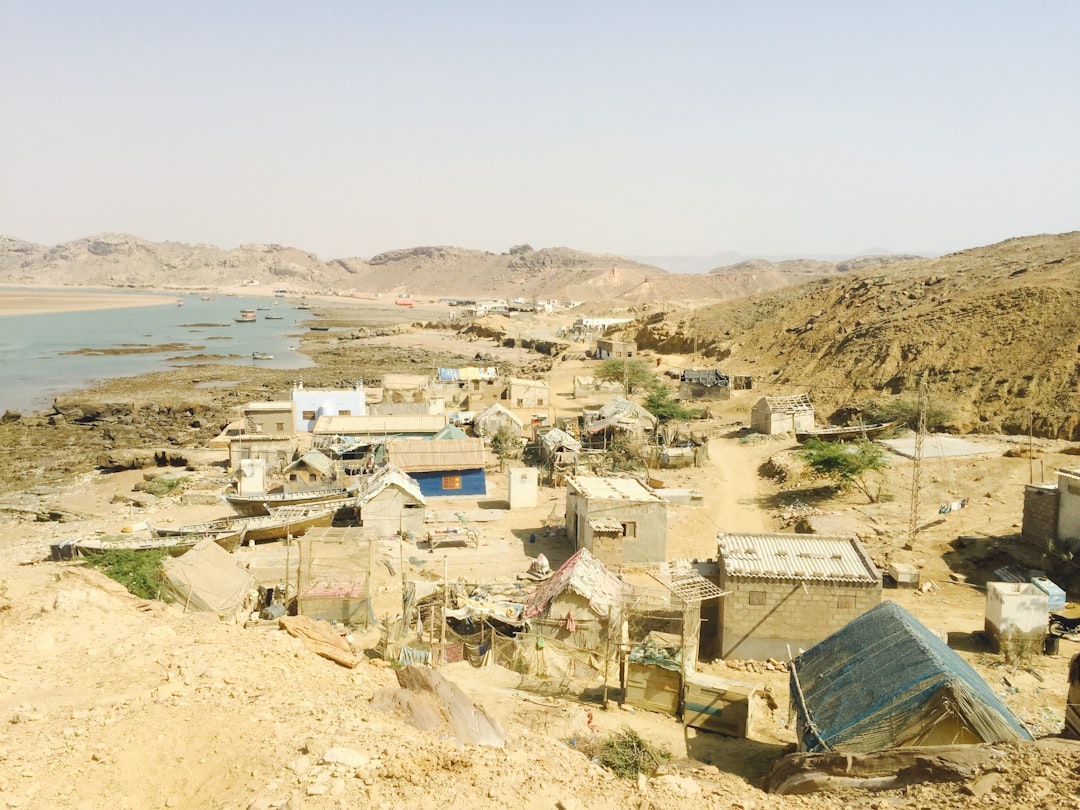
For families with older children and teenagers, Tanzania’s mountains and cultural experiences add a powerful extra dimension to the safari.
Mount Meru for Families
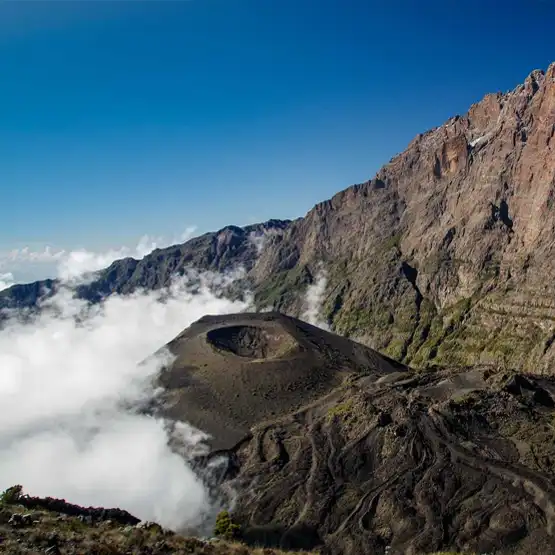
Mount Meru at 4,566 metres is a far more family-accessible mountain than Kilimanjaro. Available as a 3-day or 4-day climb, it suits physically active teenagers and adults looking for a genuine but shorter mountain challenge. Wildlife — including giraffe, buffalo, and colobus monkeys — is commonly encountered on the slopes, which makes the climb feel like an extension of the safari experience rather than a separate undertaking.
Kilimanjaro for Older Teenagers
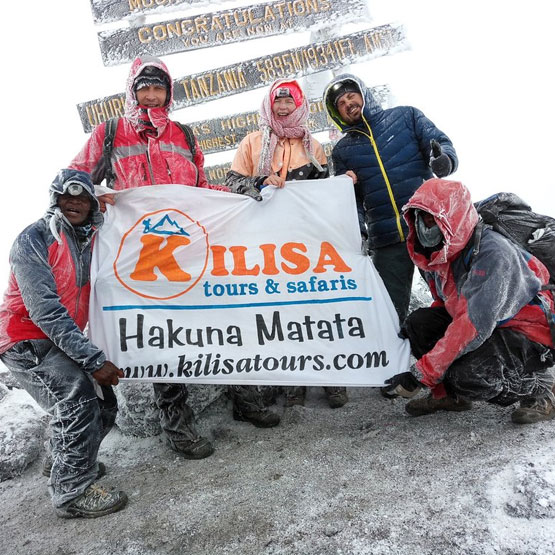
For fit, motivated teenagers aged approximately fourteen and above, climbing Kilimanjaro alongside parents is a genuinely life-changing experience. The shared challenge, the summit achievement, and the physical and mental resilience it demands make it one of the most powerful parent-teenager experiences available anywhere in the world. Our Lemosho and Machame routes are the best choices for family climbing groups.
Cultural Tours for Families
A visit to a Maasai village, a guided community walk, or a cultural experience in the Kilimanjaro foothills broadens the Tanzania experience in a way that wildlife viewing alone cannot. Children — particularly those of school age — are often deeply curious about how families in Tanzania live, how children their age spend their days, and what daily life looks like in a very different part of the world. Our dedicated cultural safari tours, available as 2-day, 3-day, and 4-day itineraries, as well as our popular Marangu cultural tour, work wonderfully as family experiences.
Our Family Safari Packages
Every family safari with Kilisa Tours is private — your own vehicle, your own guide, and a schedule built entirely around your family. Here are some of our most popular family-friendly itineraries, ranging from short introductory trips to full northern circuit adventures.
Short Family Safaris (2 – 3 Days)
These compact itineraries suit families with young children, limited time, or those combining a safari with other activities in Tanzania. All include a private vehicle and guide.
- 2-Day Camping Safari — Tarangire and Ngorongoro
- 2-Day Mid-Range Safari — Tarangire and Ngorongoro
- 2-Day Luxury Safari — Tarangire and Ngorongoro
- 3-Day Budget Safari — Tarangire, Ngorongoro, and Lake Manyara
- 3-Day Mid-Range Safari — Manyara, Ngorongoro, and Tarangire
- 3-Day Luxury Safari — Manyara, Ngorongoro, and Tarangire
Mid-Length Family Safaris (4 – 5 Days)
These itineraries give families enough time to settle into the safari rhythm. They include the best parks of the northern circuit without overwhelming younger children with too many days on the road.
- 4-Day Budget Camping Safari — Tarangire, Serengeti, and Ngorongoro
- 4-Day Mid-Range Safari — Tarangire, Serengeti, and Ngorongoro
- 4-Day Luxury Safari — Tarangire, Serengeti, and Ngorongoro
- 5-Day Budget Camping Safari — Tarangire, Serengeti, and Ngorongoro
- 5-Day Mid-Range Safari — Tarangire, Serengeti, and Ngorongoro
- 5-Day Luxury Safari — Serengeti, Ngorongoro, and Tarangire
Extended Family Safaris (6 – 7 Days)
For families who want the complete northern Tanzania circuit at an unhurried pace, these itineraries cover all the major parks with time to breathe between game drive days.
- 6-Day Camping Safari
- 6-Day Mid-Range Safari — Full Northern Circuit
- 6-Day Luxury Safari — Full Northern Circuit
- 7-Day Budget Camping Safari — Lake Natron, Serengeti, Ngorongoro, and Tarangire
- 7-Day Mid-Range Safari — Lake Natron, Serengeti, Ngorongoro, and Tarangire
- 7-Day Luxury Safari — Lake Natron, Serengeti, Ngorongoro, and Tarangire
Family Migration Safaris
Witnessing the Great Wildebeest Migration is a profoundly exciting experience for children. These itineraries are timed around the most spectacular wildlife events of the year.
- 4-Day Calving Season Safari — perfect for families in January and February
- 5-Day Calving Season Safari
- 7-Day Mara River Crossing Safari — ideal for families travelling July to October
- 6-Day Northern Serengeti Migration Safari
Family Kilimanjaro Combinations
For families with older children and teenagers who want to add a mountain experience to their safari, these combination itineraries work seamlessly.
When to Go: Best Time for a Family Safari in Tanzania
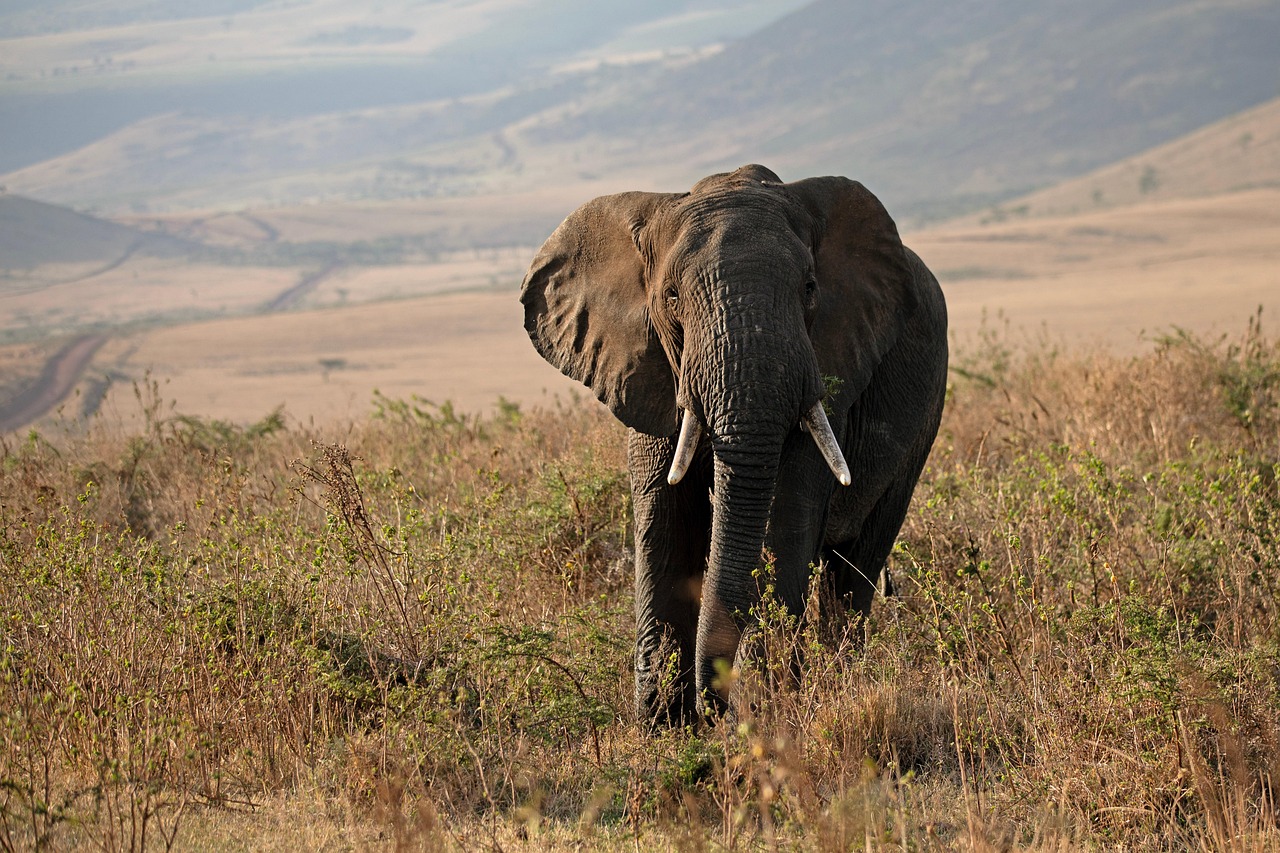
The best time for a family safari in Tanzania is the dry season — June through October. During this period, wildlife is easier to spot due to lower vegetation, the weather is pleasant and predictable, and road conditions are at their best. The Mara River crossings between July and October add an extra layer of excitement that older children find electrifying.
January and February are also excellent for families — warm, largely dry, and with the extraordinary calving season in the southern Serengeti producing thousands of newborn wildebeest daily. This window tends to be quieter and more affordable than peak season. Additionally, schools in many countries have mid-term or exam breaks during this period, making it a practical option for families.
The long rains from March through May are generally not recommended for families with young children. Roads can be difficult, and the extended wet weather makes game drives less comfortable. For more detail on the full seasonal picture, see our best time to go on safari guide.
Practical Family Safari Preparation
Here is a concise checklist of the key preparation steps for a family safari in Tanzania.
- Health clinic visit: Book a paediatric travel health consultation at least six weeks before departure. Cover malaria medication, vaccinations, and Yellow Fever requirements for all family members. See our immunisation and medical kit guide.
- Travel insurance: Ensure all children are named on a comprehensive travel insurance policy that includes medical evacuation.
- Packing: Pack neutral-coloured safari clothing in layers, sun protection, insect repellent, binoculars for each child, and a family medical kit. See our packing guide, safari equipment guide, and complete safari checklist.
- Getting to Tanzania: Most families fly into Kilimanjaro International Airport (JRO) for northern Tanzania safaris. See our how to get there guide for arrival logistics and visa information.
- Safari food: All reputable family camps cater to children’s dietary preferences and needs. See our safari food guide for what to expect from meals on the road.
- Questions: Our safari FAQ page covers the most common questions families ask before their first Tanzania trip.
Why Plan Your Family Safari with Kilisa Tours?
We are a Tanzania-based team who know these parks, these roads, and these camps in genuine depth. When a family books with us, we do not simply confirm a standard itinerary. Instead, we ask questions — about your children’s ages and personalities, about what excites them most, about what concerns you as parents, and about what you want this trip to mean for your family. We then build an itinerary around those answers.
Our guides are experienced at working with children. They are patient, enthusiastic, and skilled at adjusting the depth and style of their wildlife interpretation for different ages. Consequently, a seven-year-old and a fifteen-year-old in the same vehicle both come away feeling that the experience was made for them.
A family safari in Tanzania is one of the greatest gifts you can give your children. It broadens their world, ignites their curiosity about the natural environment, and creates shared memories that bind families together for a lifetime. Let us help you make it everything you are hoping for.
Contact Kilisa Tours today and let’s start planning your family’s Tanzania adventure.