
New Conservation Zones in Tanzania: What They Mean for Safaris in 2025

Tanzania's New Conservation Zones and Safaris in 2025
Tanzania has some of the best-known wildlife areas in the world and keeps working hard on conservation. In 2025 the country introduced new conservation zones to protect its rich wildlife and plant life. These zones will help shape safaris in the future while protecting important habitats for years to come. Here's what they mean for wildlife lovers and for your safari.
Understanding Conservation Zones
A conservation zone is an area set aside to protect natural habitats, wildlife and ecosystems. These areas help keep a healthy balance between nature and human development. Tanzania has a long history of conservation, and it's now going a step further by expanding its protected land.
New Conservation Zones in 2025
- The newly protected areas
The new zones cover many kinds of landscape, including savanna, wetlands and mountains. They include extensions to the Serengeti ecosystem and the Ngorongoro Conservation Area, as well as completely new zones in habitats that had little protection before, like coastal forests and the eastern plateaus.
- Key wildlife in the zones
These zones are a safe home for animals like black rhinos, elephants and African wild dogs. They also protect migratory birds, amphibians and rare plants, which helps fragile ecosystems survive.
Impact on Tanzania's Wildlife
- Better habitat protection
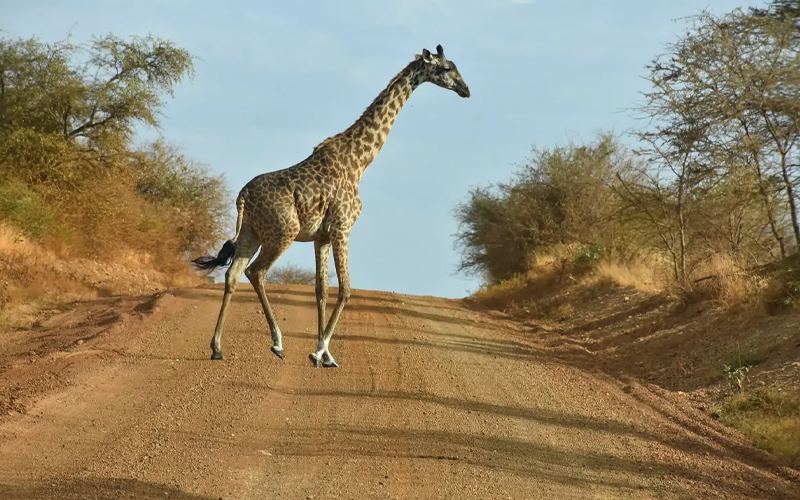
Bigger protected areas mean larger, connected habitats. That cuts down conflict between people and wildlife and gives animals room to live naturally.
- Help for endangered species
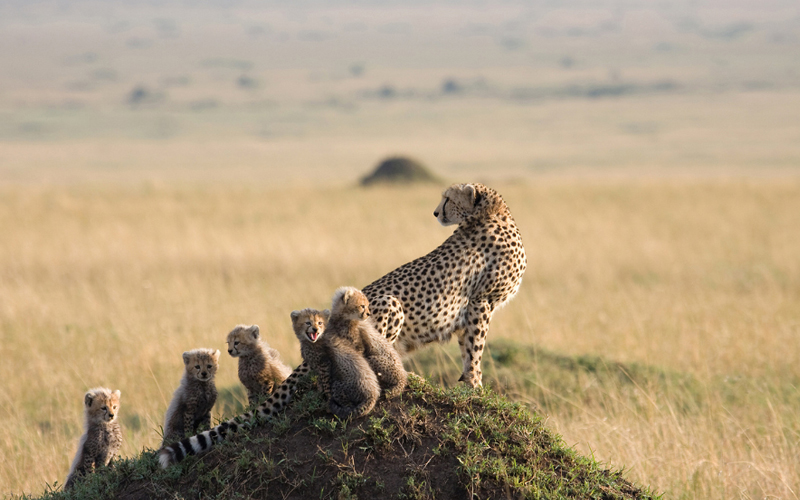
Keeping corridors open for migrating animals and protecting the places where they breed will help endangered species like cheetahs and vultures.
- Richer biodiversity
The zones protect the big, famous animals, but also the smaller things that keep an ecosystem working, like pollinators and soil organisms.
What It Means for Safaris
- New safari routes
The new zones give safari operators the chance to plan routes into wild areas that few people have visited. If you like going off the beaten path, there will be quieter, more remote trips to look forward to.
- Higher conservation fees
Entry fees may go up to support these zones. That money is meant to go to upkeep of roads and facilities, anti-poaching patrols and community programs.
- Different wildlife experiences
You may get to see species that used to be hard to find, and explore wild, untouched landscapes. Community-based tourism projects in these zones also give you a real look at local culture.
Conservation Challenges

- Managing human activity
Bigger conservation areas raise questions about grazing rights, land ownership and how to balance tourism with what local people need. Anti-poaching work is still essential.
- Effects of climate change
The zones need plans to cope with extreme weather, habitat loss and shrinking resources. Planting native species and restoring damaged land are part of the work already going on.
Working with Local Communities
Local communities are key to making these zones work. Through jobs and shared income, the zones help local economies grow and give people a reason to look after the land.
How Tourists Can Help
You can support this work by choosing eco-friendly tours, keeping your waste to a minimum and donating to conservation projects. Every small step helps make tourism more sustainable.
Tanzania's new conservation zones are an important step in protecting the country's natural heritage. They promise better safaris while tackling real environmental and social challenges. As visitors, we can all travel with care and help keep Tanzania's wild places healthy for future generations.
FAQs
- What are the new conservation zones in Tanzania in 2025?
They include extensions of existing parks and completely new areas that protect important habitats like coastal forests and migration corridors. - How do conservation zones help wildlife?
They protect habitats, reduce conflict between people and wildlife and help species survive through sustainable practices. - Are safaris allowed in the new zones?
Yes, with eco-friendly rules and guided tours to keep the impact on the environment low. - How are conservation fees used in Tanzania?
They pay for infrastructure, anti-poaching work, habitat restoration and community programs. - What can visitors do to support conservation?
Travel in an eco-friendly way, choose tours that support conservation and donate to local projects.
Explore More of Tanzania's Parks
Read our guides to:
- Tarangire National Park
- Mikumi National Park
- Kitulo Plateau
- Udzungwa Mountains
- Selous Game Reserve
- Gombe Stream
Start planning your Tanzania safari today!


