

7 Days Shira Route + 2 Nights in Hotel
From $1,850

Kilimanjaro route
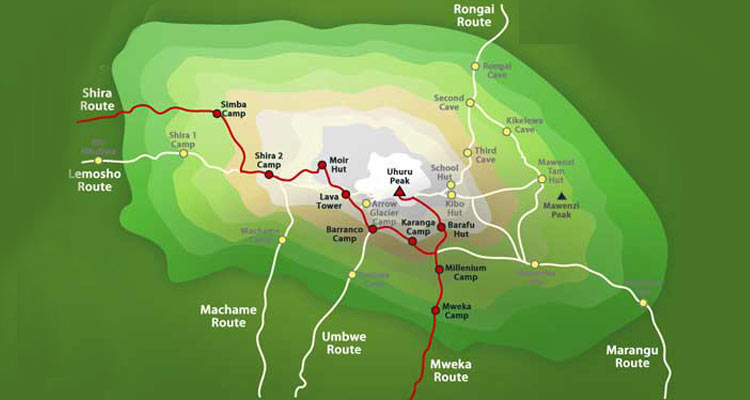
Not every trail up Kilimanjaro is the same. If you prefer peace to popularity and big views to busy campsites, and you're already used to high altitude, the Shira Route could be a great fit. People often think Shira is just a version of the more popular Lemosho Route, but it's one of the oldest and least-used trails on the mountain. After the second day it follows much the same path as Lemosho, but it starts much higher, and that changes the experience, especially on Day 1.
The Shira Route starts on the western side of Mount Kilimanjaro and follows a path similar to the Lemosho Route. The big difference is where you begin. Shira starts at Shira Gate, at around 3,400 meters (11,155 ft), so you begin hiking at high altitude, without the gradual acclimatization you get when other routes start lower down in the rainforest.
Because of this, Shira is best for experienced hikers, or for anyone who has already spent time acclimatizing in Tanzania or another high-altitude area. You get open skies, wide views and a real sense of wilderness right away, but the risk of altitude sickness is higher from the start.
Itineraries
Because the Shira Route starts high, take it seriously from Day 1. Altitude sickness can come on fast, especially if you haven't spent time at altitude already.
Reaching the summit isn't just about fitness. It's about how well your body copes with thin air.
Because you start high, nights can be cold right from the beginning, so pack for it. Here's what you'll need:
Bring a good attitude too. Things change quickly on Kilimanjaro, and being flexible helps a lot.


