


Tours & Safari
Calving Season Migration
Calving Season Migration in Tanzania: Watch New Life Arrive on the Plains
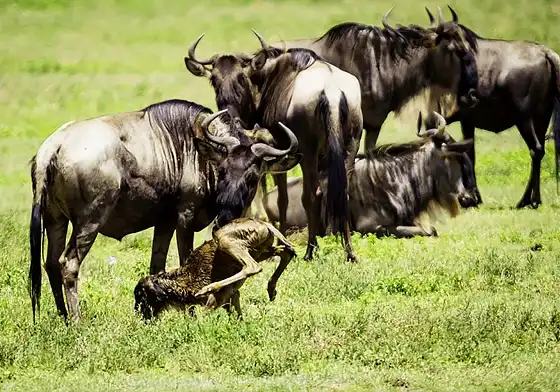
Africa's savannah has plenty of big wildlife events, but few match the wildebeest calving season in Tanzania's Ndutu Area. Each year, after the short rains turn the southern Serengeti plains green, the Great Migration reaches one of its most dramatic phases. Thousands of pregnant wildebeest gather on the grasslands to give birth, and Ndutu becomes the center of the migration.
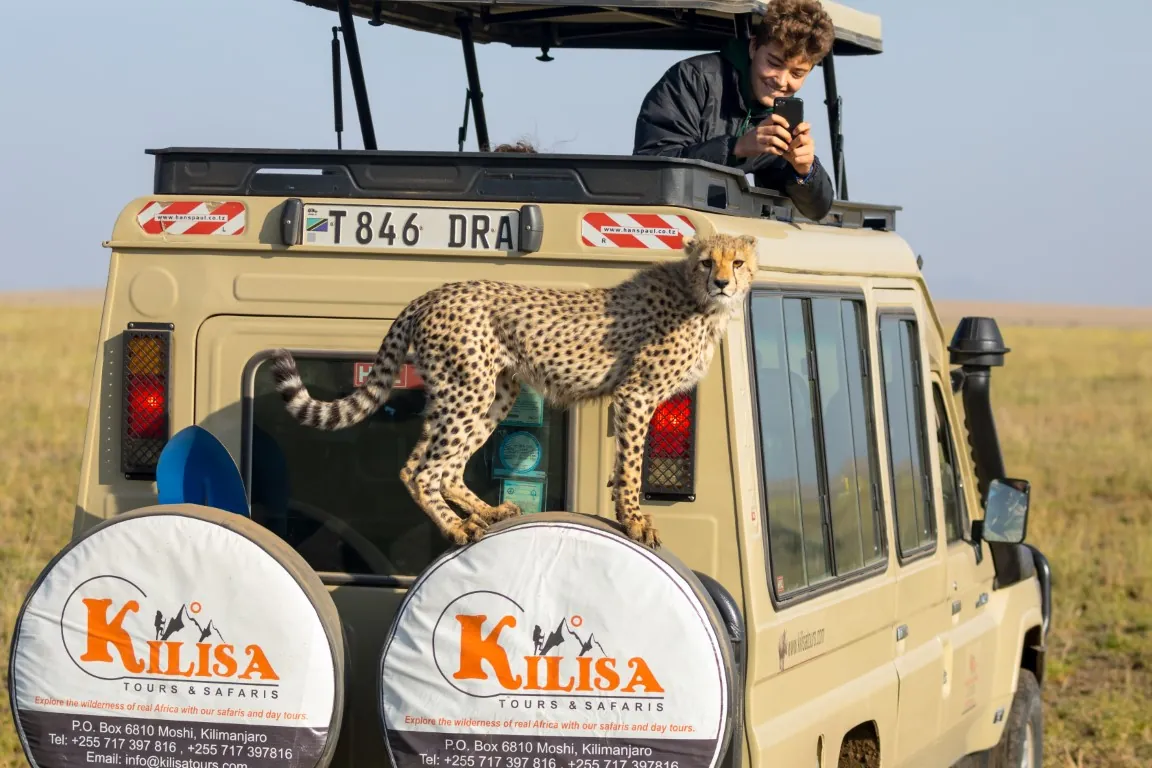
Between January and March, the Ndutu Plains and southern Serengeti turn into a huge nursery. In just a few weeks, over half a million wildebeest calves are born, many of them within minutes of each other. Being born at the same time helps the young survive, but it also brings in a lot of predators. Lions, cheetahs, leopards, hyenas and serval cats follow the herds closely, and the sightings can be some of the most exciting in Africa.
River crossings get most of the attention, but a calving season safari in Ndutu is just as powerful and often feels more personal. It's a time of new life, survival and constant movement across open plains, lakes and acacia country. If you want to see real animal behavior, big cats in action and great photo chances, this is one of the best times to experience the Great Wildebeest Migration in Tanzania.
At Kilisa Tours & Safaris, we plan our Ndutu calving season safaris to put you right in the middle of it, with local guides who know how the migration moves and the land it moves through.
Calving Season Packages
5 Days Calving Season Migration Safari
Serengeti, Ngorongoro Crater and Tarangire National Park
From $250

What Is the Calving Season Migration?
Every year, between late January and early March, more than 500,000 wildebeest calves are born across the southern Serengeti, mostly around the Ndutu Plains, which are part of the Ngorongoro Conservation Area.
Giving birth all at once is how the herds survive: when thousands of calves arrive in a short time, predators can't catch them all. It's a numbers game with high stakes.
In just a few weeks:
- 500,000+ wildebeest calves are born
- Many calves stand and run minutes after birth
- Lions, cheetahs and hyenas stay close, waiting for a chance
It isn't only the wildebeest. Zebra, gazelle and other grazing animals often give birth at the same time. Think of it as a maternity ward in the wild, with sweet moments and some very tense chases.
Where Does the Calving Season Happen?
Most of the action is in the Ndutu region, between the southern Serengeti and the Ngorongoro Conservation Area.
This area has:
- Short-grass plains, where wildebeest can see predators coming
- Mineral-rich soil, good for nursing mothers and healthy calves
- Open landscapes, so you and your camera get clear views of the action
Good wildlife areas to explore:
- Ndutu Plains
- Hidden Valley
- Lake Ndutu and Lake Masek area
- Kusini and Maswa Game Reserve (an extension of the southern Serengeti)
Best Time to Visit
The main calving season runs from late January to early March.
Here's how it usually goes:
- Mid-January: Wildebeest start gathering in the southern Serengeti.
- Late January to mid-February: Peak calving, with thousands of births every day.
- Late February to early March: The calves get stronger and predator activity picks up.
Expect to see lions, cheetahs and hyenas trying their luck. This is one of the best times to watch predators and prey.
FAQs About the Calving Season Migration
Q: Is calving season only about wildebeest?
A: No. Zebras, gazelles and other antelope often give birth around the same time. The whole plain becomes a big nursery.
Q: Is it safe to travel at this time?
A: Yes. It's one of the most popular safari seasons in Tanzania, and trips are well organized.
Q: Do I need to book early?
A: Yes. Camps fill up fast, especially the mobile camps near Ndutu.
Q: Is it good for families?
A: Very. Kids love seeing baby animals, and many lodges welcome families and have special activities for them.


