
2024 Tanzania Safari Tours: How Recent Droughts Are Impacting Wildlife Viewing

Tanzania Safari: How the 2024 Drought Is Affecting Wildlife Viewing
Tanzania is known for its wide open landscapes and huge variety of wildlife, but recent droughts are bringing new challenges for animals and for safaris. In 2024, long dry spells are being felt across Tanzania's best-known national parks, including the Serengeti, Tarangire and Ngorongoro. The droughts have changed how animals behave, how much water there is and how much grass and bush grows. Here's what that means for your safari, so you can plan a good trip and travel responsibly.
Why Drought Conditions Are Affecting Tanzania's Wildlife
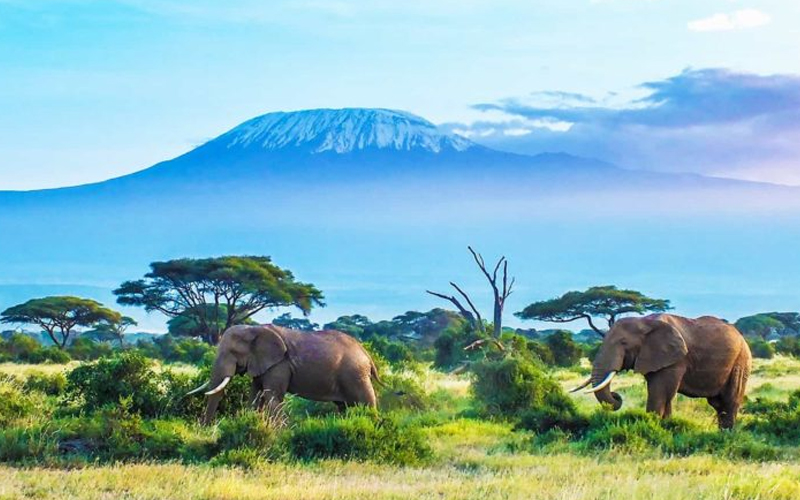
Droughts in Tanzania come mainly from changing climate patterns. Less rain in many areas means less water and less plant growth. Dry seasons are a normal part of life here, but long droughts put animals under stress as they struggle to find water and food. They can upset normal migration patterns, bring animals together around the few water sources left and shrink the good grazing areas. All of this changes what you see on safari.
- Effects of drought on the ecosystem: In a drought, rivers and waterholes dry up, leaving less water for animals and plants. Grasses and shrubs grow less, and plant eaters like elephants, zebras and antelopes depend on them. Animals have to walk farther to find food and water, which is hardest on the young, the old and the weak.
- How drought affects safari tourism: For visitors, a drought brings a different kind of wildlife viewing. Animals tend to gather at the remaining water, so you may see several species in one place. On the other hand, with little vegetation some areas look bare, and the scenery is less green than usual.
Wildlife Viewing During Drought Conditions: What to Expect
Drought is changing how and where you can watch wildlife in Tanzania. Here's what to expect on safari in 2024:
1. More Animals at Waterholes
The most noticeable change is that more animals gather at waterholes and the rivers that still flow. In Tarangire National Park, which is known for its big elephant herds, drought pushes wildlife toward permanent water. You can watch elephants, buffalo, zebras and antelope come down to drink, while lions, leopards and hyenas wait nearby for a chance to hunt.
These busy waterholes are great for wildlife photography. They also show you, very directly, how hard survival is for animals in a dry year.
2. Changes to the Migration in the Serengeti
The Great Migration is one of Tanzania's most famous wildlife events. Seasonal rains set wildebeest, zebras and gazelles moving across the Serengeti-Mara ecosystem. Droughts have delayed or changed these patterns, as the herds follow rains that are harder to predict. That can affect safari plans, since the big herds may be in different areas than usual or stay in one place longer.
So careful planning matters more than ever. In 2024 you may see larger groups of wildebeest and zebra around fewer water sources, which can make for great photos as the herds gather in certain parts of the Serengeti.
3. More Predator Sightings
Drought can lead to more predator sightings. Lions, leopards and cheetahs take advantage of weaker prey near the waterholes. With less food around, plant eaters are easier to catch, and predators are more active and easier to see near water. In the Ngorongoro Crater, where wildlife is fairly enclosed, predators can do well in a drought because prey gathers around the little water there is.
For you, that means a good chance to watch Tanzania's big cats and other predators in action. It's exciting, but also a sober reminder of how tough life in the wild can be.
4. Less Vegetation and Bare Landscapes
Drought means less grass and less shade, so the landscape looks bare in places. That isn't as pretty, but it does make animals easier to spot. On the open plains of the Serengeti, for example, you get clearer views, especially of smaller animals that usually hide in thicker grass.
The downside is that plant eaters have to travel farther for food. Some animals look thinner and may be more stressed because there's so little to eat.
5. Challenges for Big Species Like Elephants and Rhinos
Large animals such as elephants and rhinos are hit hard by drought because they need so much water and food. Elephants drink large amounts every day, and in a drought they may have to walk long distances or compete for what's left. This can affect how many elephants you see and how healthy they look, especially in Tarangire and Ruaha National Park, where big herds gather.
Black rhinos, found in the Ngorongoro Crater, may be seen closer to water because there's less vegetation. But their small numbers and solitary habits make them vulnerable in a drought, which is why conservation work to protect them matters so much in hard times.
How Safari Operators Are Adapting to Drought Conditions
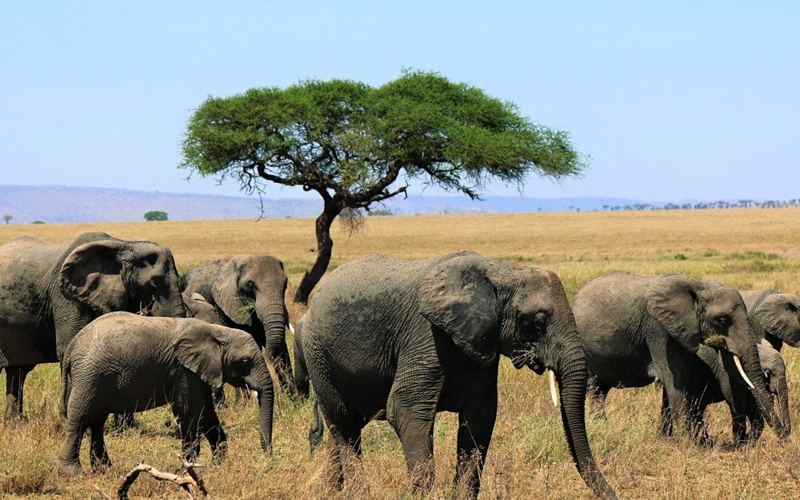

Safari operators in Tanzania are adjusting to the drought so guests still get good wildlife viewing. They're changing routes, focusing on known water sources and working with conservation groups to help wildlife in the worst-hit areas.
1. Flexible Safari Itineraries
Operators are planning itineraries around where the animals are and where the water is right now. Guides may drive straight to known waterholes or plan game drives around water where animals are likely to gather. That gives you a better chance of seeing a wide range of wildlife in less time.
2. Working with Conservation Projects
Many safari operators work with conservation organizations to ease the effects of drought on wildlife. Projects such as restoring waterholes, providing extra water and protecting habitat are becoming more important. Supporting this work helps the animals and teaches visitors about sustainable tourism.
3. Eco-Friendly Practices
Eco-friendly habits help keep tourism's impact low during a drought. Operators are keeping vehicles off fragile areas, cutting water use at camps and lodges and promoting Leave No Trace principles. This helps protect Tanzania's habitats so future generations can enjoy its wildlife too.
Tips for a Good Safari Experience During a Drought
You can still have a very good safari in Tanzania in 2024 if you keep a few things in mind. Here's how to make the most of a trip during a drought:
- Keep up with animal movements: Stay in close touch with your guide or tour operator. Guides know the area and hear the latest news on where animals are, so they can choose the best routes for sightings.
- Visit the main waterholes and rivers: In a drought, water is where the animals are. Spend time at waterholes and rivers where wildlife comes to drink; that's where you'll get some of your closest sightings.
- Enjoy the different scenery: The land may look drier and more bare than in photos, but it has its own appeal. With less vegetation, the views are clearer and you see how animals cope in hard conditions.
- Travel responsibly: Choose eco-friendly lodges and follow conservation guidelines to keep your impact low. Respect the animals and don't disturb them, especially at water.
- Take photos: A drought can give you strong photo opportunities as animals gather close together. Bring a good camera and use the chance to record wildlife behavior at this time.
Conservation Efforts Against Drought Impacts
Conservation organizations and the Tanzanian government are taking steps to help wildlife and protect habitats during the drought. These include restoring habitat, saving water and working with local communities so they play a part in conservation.
1. Restoring Waterholes and Extra Water Sources
Waterhole projects work to maintain and restore natural water sources that have dried up. In some places, extra water is provided for wildlife in the most stressed areas. This work matters most in national parks and reserves where the drought has hit water supplies hardest.
2. Community-Based Conservation Programs
Local communities play a big role in conservation, and community programs are helping reduce the effects of drought. By involving people in saving water and protecting habitat, these programs give communities a sense of responsibility for their local environment.
3. Climate Change Awareness and Adaptation
Conservation work also includes teaching people about the long-term effects of climate change and ways to adapt. Climate education helps communities and visitors understand why it's important to protect Tanzania's natural resources as weather patterns change.
In 2024, drought is changing the safari experience in Tanzania, bringing both challenges and new chances to see wildlife. As animals adapt, you can watch dramatic moments at the water and see what survival in the wild really looks like. If you choose eco-friendly options and support conservation, your safari also helps protect Tanzania's wildlife and landscapes for the future.
FAQs
- How do droughts affect animal behavior in Tanzania's national parks?
Animals gather around water, migration patterns shift, predators become more active and plant eaters can lose condition. This makes wildlife easier to see, but also more vulnerable. - Which parks in Tanzania are most affected by droughts?
Parks like the Serengeti, Tarangire and Ruaha are especially affected, because they depend on seasonal rains for water and grazing. - Can I still see the Great Migration during a drought?
Yes, but the drought may change the migration's pattern, with herds gathering around the water that's left. Talk to your tour operator so your plans fit these changes. - How are safari operators adapting to drought conditions?
Operators are adjusting routes, focusing on waterholes, supporting conservation projects and promoting eco-friendly practices so guests still have a good safari. - What can I do to support conservation during my safari?
Choose eco-friendly lodges, follow responsible tourism guidelines, take part in community-led conservation activities and support organizations that protect Tanzania's wildlife.


