
Tanzania’s Growing Role in Africa’s Wildlife Conservation Efforts in 2024

Tanzania's Role in Africa's Wildlife Conservation, 2024
Tanzania has a long record in wildlife conservation, with famous places like the Serengeti, Ngorongoro Crater and Selous Game Reserve. In 2024 the country has built on its leading role in Africa's conservation work. With new policies, international partnerships and community projects, Tanzania is setting a high bar for protecting Africa's wildlife.
Tanzania's Conservation Legacy
- A long history of protecting wildlife
- National parks and reserves: Over 40% of Tanzania's land is set aside as protected areas.
- World Heritage Sites: Serengeti National Park and the Ngorongoro Conservation Area are both on the UNESCO list.
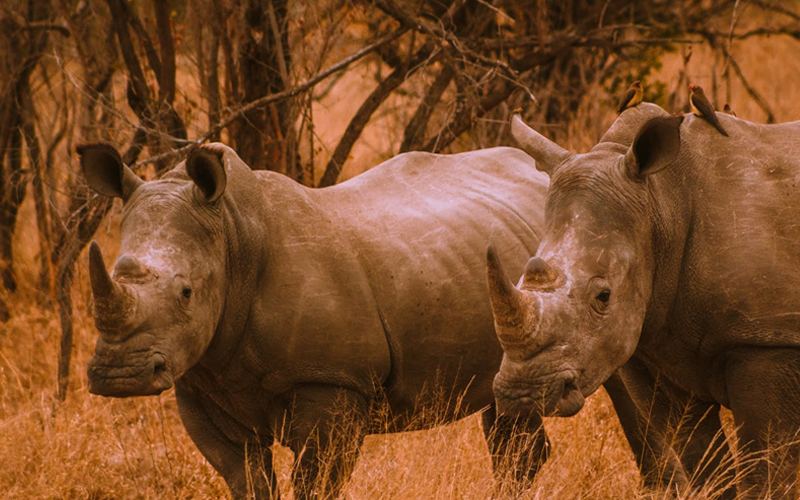
- Well-known species under protection: Tanzania is home to some of the world's most endangered species, including black rhinos, African wild dogs and elephants.
New Conservation Milestones in 2024
- More protected land
- New sanctuaries: Tanzania has added large areas of land to its protected zones, including new wildlife corridors that link migration routes.
- Marine conservation: Coastal and marine areas, such as the Zanzibar Archipelago, now have stronger protection.
- New ways to stop poaching
- Technology: Drones and AI-based monitoring systems help spot illegal activity.
- Stronger laws: Heavy penalties for poachers and stricter rules on the wildlife trade.
Community Involvement in Conservation
- Supporting local communities
- Sharing tourism income: Part of the park entry fees now goes to community development projects.
- Jobs: Many local people work as rangers and guides, or in eco-tourism businesses.
- Living alongside wildlife
- Reducing human-wildlife conflict: Programs pay compensation when wildlife destroys crops or kills livestock.
- Education: Conservation awareness campaigns in schools and rural communities.
Key Partnerships Behind the Progress
- Working with international partners
- Global conservation funds: Tanzania works with organizations like the WWF and the African Wildlife Foundation to fund projects.
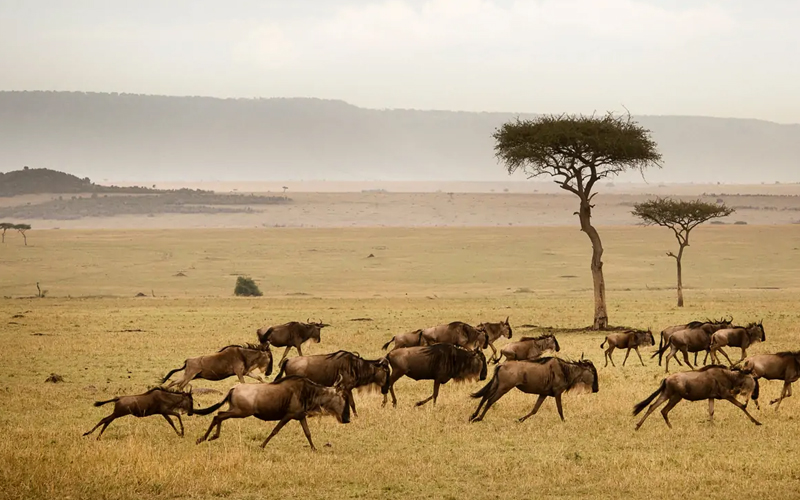
- Cross-border agreements: Working with Kenya and Uganda helps protect animals that cross borders, like wildebeest and elephants.
- The role of NGOs: Non-profit groups do important work in research, education and wildlife rescue in Tanzania.
Focus on Endangered Species in 2024
- Saving the black rhino
- Breeding programs: Captive breeding and returning rhinos to the wild are showing promising results.
- Anti-poaching units: Patrols focused on rhino areas.
- Protecting elephants
- Elephant corridors: New wildlife corridors help keep habitats connected instead of broken into pieces.
- Fighting the ivory trade: Tanzania is known for its serious efforts to cut the illegal ivory trade.
Ecotourism: A Key to Conservation
- Sustainable safaris
- Low-impact lodges: Eco-friendly places to stay that keep their footprint small.
- Greener safari habits: Electric safari vehicles and less single-use plastic.
- Community-based activities: Visitors are encouraged to take part in conservation work, such as tree planting and wildlife monitoring.
Challenges Ahead for Tanzania
- Climate change
- Rising temperatures: These are changing animal migration patterns and water sources.
- Habitat loss: Coastal erosion and deforestation are serious threats.
- Balancing development and conservation: Growing towns and new infrastructure projects often clash with what wildlife needs.
What Sets Tanzania Apart in Africa's Conservation
- Strong political will: Leaders speak up for wildlife conservation and take part in global environmental meetings.
- Science and tradition together: Using modern technology alongside traditional local knowledge gives a well-rounded approach to conservation.
The Future of Wildlife Conservation in Tanzania

- More marine conservation: Upcoming projects aim to protect coral reefs and marine animals like dugongs and whale sharks.
- More young people involved: New programs aim to bring young Tanzanians into conservation through education and careers.
- Recognition abroad: Tanzania's work is increasingly seen as an example for other African countries.
Tanzania's conservation work in 2024 shows that the country takes its role in looking after Africa's wildlife seriously. By adding protected areas, using new technology and involving local communities, Tanzania is protecting its natural treasures and setting an example for others. Travelers and conservationists alike can learn a lot from this hands-on approach.
FAQs
- What are Tanzania's best-known conservation areas?
Serengeti National Park, the Ngorongoro Conservation Area and Selous Game Reserve are the best known. - How does tourism support conservation in Tanzania?
Money from park fees pays for conservation programs and supports local communities. - Which endangered species live in Tanzania?
Black rhinos, African elephants, wild dogs and cheetahs are among the main species under protection. - How is technology helping conservation in Tanzania?
Drones, GPS tracking and AI-powered monitoring help with anti-poaching work and wildlife research. - Can visitors take part in conservation programs?
Yes. Many eco-tourism operators include activities like tree planting and wildlife monitoring in their packages.


