
Eco-Tourism in Tanzania: A Sustainable Way to Explore the Wild

Eco-Tourism in Tanzania: Safari 2025
Tanzania is one of the most beautiful countries in the world, with many different landscapes, amazing wildlife and lively cultures. Tourism has long been important to the country's economy, and in recent years eco-tourism has become more popular as travelers look for ways to explore Tanzania's nature responsibly. In this article, we take a closer look at eco-tourism in Tanzania, why it matters, and how you can enjoy a wildlife trip while supporting conservation and local communities.
What Is Eco-Tourism?
Eco-tourism is a sustainable way to travel. It tries to cause as little harm to the environment as possible, while helping to protect nature and support local communities. It focuses on places that are ecologically fragile but have special wildlife, plants and culture. In Tanzania, eco-tourism lets you enjoy the wildlife and landscapes in a responsible way.
Tanzania's Unique Biodiversity
Tanzania has a huge variety of nature. From the savannahs of the Serengeti to the green forests of the Eastern Arc Mountains, the country has many ecosystems that support a wide range of wildlife.
- Many ecosystems: Tanzania has rainforests, savannahs, wetlands and coastal areas, all full of different species.
- Rich wildlife and endemic species: The country is known for its biodiversity, including the Big Five (lions, elephants, buffalo, leopards and rhinos) and many rare animals such as the African wild dog, the cheetah and many kinds of birds.
- Key national parks and reserves: Tanzania's parks and reserves, including the Serengeti, Ngorongoro Crater and Selous Game Reserve, offer some of the best wildlife viewing in Africa, which makes the country a great choice for eco-tourism.
Eco-Tourism and Its Benefits
Eco-tourism isn't just an enjoyable way to travel. It also does a lot of good for the environment and for local communities.
Environmental Conservation
Eco-tourism helps protect ecosystems and the places where wildlife lives. When you choose eco-friendly places to stay and low-impact ways to travel, you leave a smaller footprint, and that helps keep Tanzania's wild areas beautiful for future generations.
Community Involvement and Benefits
Community-based tourism is a big part of eco-tourism. Local communities often help run eco-tourism projects, from managing places to stay to guiding tours. This brings money straight to the communities, and it gives travelers a real look at local life.
Economic Contributions
Eco-tourism adds a lot to the economy, especially in rural areas, where it creates jobs and helps local businesses. Tourism money helps pay for conservation, roads and other infrastructure, and supports local families.
Sustainable Safari Practices in Tanzania
On safari, sustainability matters. Here are some of the ways Tanzania has taken up eco-friendly safari practices:
Eco-Friendly Safari Accommodation
Tanzania has many eco-friendly places to stay, from luxury eco-lodges to more affordable sustainable campsites. These places often use renewable energy, recycle their waste and build with local materials to reduce their impact. Staying in one means your visit helps conservation.
Low-Impact Travel Options
You can choose low-impact safaris, such as small group safaris or walking safaris. They bring you closer to nature and mean fewer vehicles and less disturbance for the animals.
Ethical Wildlife Viewing
Watching wildlife in an ethical way is a key part of eco-tourism. In Tanzania, responsible safari operators make sure guests follow rules that keep disturbance to a minimum, like keeping a safe distance and never feeding the animals.
Best Eco-Tourism Destinations in Tanzania
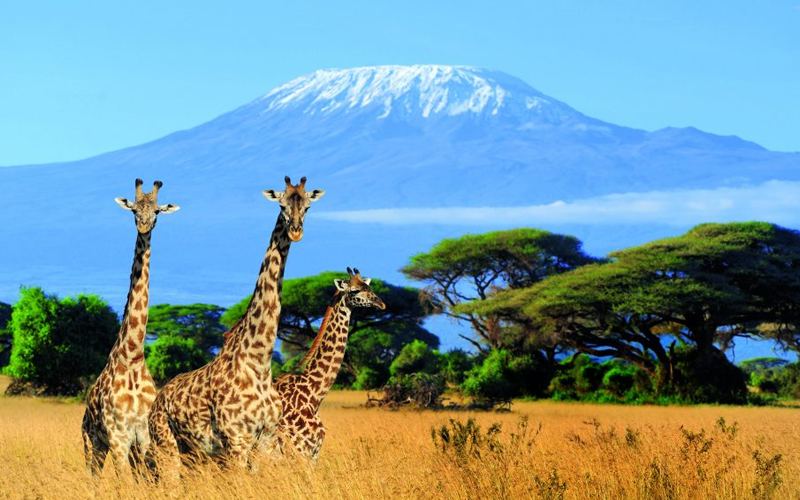

Tanzania has some of the most important and unspoiled wild areas in Africa. Here are some top eco-tourism destinations to consider in 2025:
- Serengeti National Park: Famous for the Great Migration and its many animals, the Serengeti is a UNESCO World Heritage site that puts conservation first.
- Ngorongoro Crater: Often called a "Garden of Eden", this natural wonder has some of the best wildlife viewing in Africa, and it supports both conservation and local community development.
- Tarangire National Park: Known for its large herds of elephants, Tarangire lets eco-tourism visitors see many kinds of wildlife in a beautiful, unspoiled landscape.
- Selous Game Reserve: One of the largest wildlife reserves in Africa, Selous is a more remote choice, away from the busier routes.
Conservation Work Supported by Eco-Tourism
Eco-tourism plays a big part in paying for and supporting conservation in Tanzania. Some of the work it helps fund:
- Anti-poaching work: Money from eco-tourism helps pay for anti-poaching efforts that protect endangered species and fight the illegal wildlife trade.
- Wildlife corridors and protection programs: Eco-tourism money helps create wildlife corridors, so animals can move safely between protected areas.
- Protecting biodiversity: Eco-tourism helps protect Tanzania's biodiversity by funding research and conservation programs for ecosystems and species.
The Role of Local Communities in Eco-Tourism
Local communities are at the heart of eco-tourism in Tanzania. Many eco-tourism programs are community-based, so local people benefit directly from tourism. This includes:
- Cultural visits: You can learn about the traditions of local tribes, such as the Maasai and Hadzabe, see how they live, and support their income at the same time.
- Jobs and income: By working as guides, artisans or lodge staff, local people earn a living and help their communities grow.
Eco-Tourism Activities for Travelers
Eco-tourism in Tanzania offers plenty of activities that let you enjoy nature responsibly. Some popular ones:
- Walking safaris and nature walks: These give you a closer look at the land and a different way to see Tanzania's wild areas.
- Bird watching and photo safaris: Bird watching and photography are popular ways to watch wildlife and take great pictures without disturbing nature.
- Staying at eco-lodges and sustainable campsites: You can stay at eco-lodges that put sustainability and care for the environment first.
Eco-Tourism Accommodation in Tanzania
When you choose where to stay, think about eco-lodges, glamping sites or sustainable resorts. They're built to have a small impact on the environment while keeping you comfortable and close to nature. Many of them use solar power, save water and use local materials to cut their carbon footprint.
How to Travel Responsibly in Tanzania
Traveling responsibly is at the core of eco-tourism. Here's how you can get the most from your trip to Tanzania while keeping your impact low:
- Support local businesses: Choose tour operators and places to stay that support local communities and conservation.
- Respect wildlife and local cultures: Follow the rules for ethical wildlife viewing and respect the customs and traditions of the communities you visit.
- Keep your impact low: Avoid plastic waste, save water and reduce your carbon footprint while you travel.
The Future of Eco-Tourism in Tanzania
The future of eco-tourism in Tanzania looks good, with more and more travelers looking for sustainable, responsible ways to explore the wild. New ideas, such as low-impact travel technology and community projects, should keep the sector growing. But climate change and poaching still threaten Tanzania's wildlife, so ongoing support for eco-tourism remains important.
Eco-tourism is a sustainable way to explore Tanzania's landscapes and wildlife. When you support eco-friendly practices, help conservation and get to know local communities, you help keep Tanzania's nature beautiful for the generations to come. In 2025, eco-tourism will keep playing an important role in the country's tourism, giving travelers great experiences while looking after the planet and its people.
FAQs
What is eco-tourism?
- Eco-tourism is responsible travel to natural areas that protects the environment and supports local communities.
How does eco-tourism help protect wildlife in Tanzania?
- Eco-tourism helps pay for conservation, including anti-poaching work and protecting habitats, which helps keep Tanzania's wildlife safe.
Are there eco-friendly places to stay in Tanzania?
- Yes, Tanzania has many eco-lodges and sustainable campsites that put the environment first.
Can I experience Tanzanian culture through eco-tourism?
- Yes, eco-tourism often includes visits to local tribes, where you learn about their traditions and way of life.
How can I travel responsibly in Tanzania?
- Support local businesses, respect wildlife, cut down on waste and follow ethical travel practices.


