
Trekking Mount Meru: Tanzania’s Underrated Adventure for 2025

Trekking Mount Meru, Tanzania: A 2025 Adventure
Mount Meru often gets overlooked next to its famous neighbor, Mount Kilimanjaro, but it’s one of Tanzania’s best-kept secrets for trekkers. As the fifth-highest peak in Africa, Meru gives you a real challenge, wide views, lots of plant and animal life, and far fewer crowds. Whether you’re an experienced climber or a keen trekker looking for something different, Mount Meru is a great choice for 2025. Here’s why this underrated mountain deserves a place on your bucket list.
Why Choose Mount Meru?
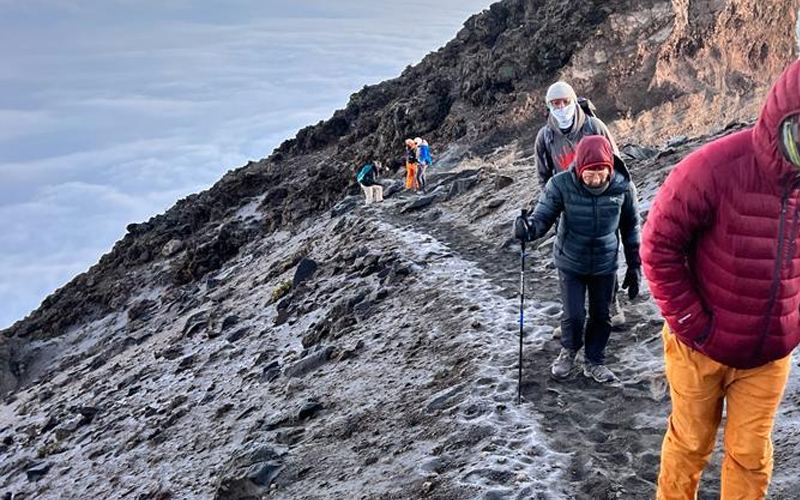
Mount Meru rises to 4,566 meters (14,980 feet) and sits inside the scenic Arusha National Park. This dormant volcano gives you a very different trek from Kilimanjaro, with green forests, plenty of wildlife and rugged ground.
A Different Kind of Climb
- Varied landscapes: From thick rainforest to alpine desert, Meru’s trails pass through many different zones.
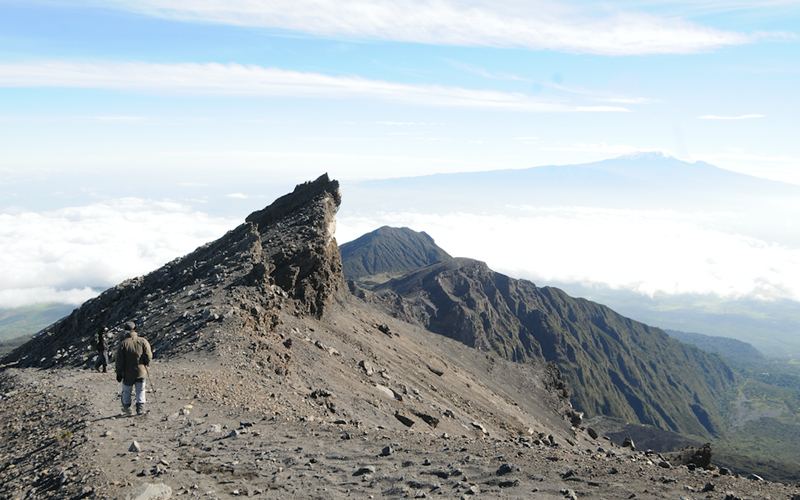
- Great views: On clear days you can see Kilimanjaro and the plains below.
- A steeper challenge: Steep ridges and narrow paths make Meru exciting for trekkers who want something a bit more demanding.
Fewer Crowds
Meru sees far fewer people than Kilimanjaro, so the trek feels quieter and more personal. It’s a good fit if you want time in nature away from the crowds.
Best Time to Trek Mount Meru in 2025
Dry Seasons
The best times to trek Mount Meru are the dry seasons:
- January to March
- June to October
January 2025 is especially good, with clear skies, mild temperatures and trails in good shape.
Avoiding the Rainy Season
Try to avoid the long rains (April to May) and the short rains (November to December), when trails can get slippery and you may not see much.
The Route to the Summit of Mount Meru
The trek to Mount Meru’s summit usually takes 3-4 days on the Momella Route, which starts in Arusha National Park.
Day-by-Day Itinerary
Day 1: Momella Gate to Miriakamba Hut
- Altitude: 1,500m to 2,514m
- Highlights: Look out for giraffes, buffaloes and colobus monkeys as you walk through savannah and green rainforest.
Day 2: Miriakamba Hut to Saddle Hut
- Altitude: 2,514m to 3,570m
- Highlights: Walk through the heather and moorland zone with great views of the crater rim.
Day 3: Saddle Hut to Socialist Peak and Back Down
- Altitude: 3,570m to 4,566m (summit), then back to 2,514m
- Highlights: Start the summit climb at midnight, reach Socialist Peak for sunrise, then head down to Miriakamba Hut.
Day 4: Return to Momella Gate
- Altitude: 2,514m to 1,500m
- Highlights: An easy walk down through the rainforest, with time to think back on everything you’ve done.
What Makes Mount Meru Special?

Wildlife on the Trail
Mount Meru is part of Arusha National Park, so you’ll trek alongside animals like giraffes, elephants and buffaloes. Armed ranger guides go with every trek to keep you safe.
Crater and Ash Cone
Unlike Kilimanjaro, Meru has a dramatic horseshoe-shaped crater and a striking ash cone, both left over from its volcanic past.
Great for Acclimatization
Climbing Mount Meru is an excellent way to acclimatize before you try Kilimanjaro. The gradual gain in altitude and the shorter trek help your body get used to high-altitude conditions.
Preparing for Your Mount Meru Trek
Physical fitness: Trekking Meru is physically demanding, so start training months ahead. Focus on endurance, strength and cardio.
Packing Essentials
- Layered clothing: It gets colder as you climb, so bring layers.
- Gear: A good pair of trekking boots, a warm sleeping bag and trekking poles are essential.
- Snacks and water: Keep your energy up with high-calorie snacks, and drink plenty of water.
Choosing a tour operator: Pick a trusted operator that works ethically, including treating porters and guides fairly.
Sustainability and Responsible Trekking
Mount Meru is part of a delicate ecosystem that needs protecting. Follow these simple guidelines for a responsible trek:
- Leave no trace: Carry out all your waste.
- Respect wildlife: Watch animals from a distance without disturbing them.
- Support local communities: Hire local guides and porters so your money helps the local economy.
7. Tips for a Successful Mount Meru Trek
- Start early: An early start on summit day gets you to the top for sunrise.
- Go “pole pole” (slowly): This Swahili saying is every trekker’s motto here. It saves your energy and helps you adjust to the altitude.
- Stay positive: A strong mindset helps a lot when things get hard.
Mount Meru is an underrated mountain that deserves more attention from trekkers. With dramatic landscapes, exciting trails and great views, it gives you a different adventure from Kilimanjaro. January 2025 is a perfect time to climb it, whether you want a trek on its own or a warm-up for Kilimanjaro. Start planning your Meru trip today and see one of Tanzania’s best-kept secrets for yourself!
Mount Meru FAQs
1. How long does it take to trek Mount Meru?
The trek usually takes 3-4 days, depending on your pace and itinerary.
2. Is Mount Meru harder than Kilimanjaro?
Meru is shorter but steeper and narrower in places, so you need good fitness and focus, especially on the way to the summit.
3. Do I need a guide to climb Mount Meru?
Yes. Armed rangers go with every trek for safety, because there are wild animals in Arusha National Park.
4. Can beginners climb Mount Meru?
It’s a challenge, but beginners can trek Meru with good preparation and determination.
5. When is the best time to trek Mount Meru?
The dry seasons, especially January to March and June to October, are the best times to trek.
See more of Tanzania’s landscapes:
- Tarangire National Park: Famous for its huge baobabs and elephant herds.
- Mount Kilimanjaro National Park: Home to Africa’s highest peak and its well-known trekking routes.
- Kitulo Plateau: Known as the “Garden of God” for its colorful wildflowers.
- Udzungwa Mountains: A great place for hiking, with waterfalls and unusual plants and animals.
- Gombe Stream National Park: Well known for chimpanzee tracking and Jane Goodall’s research.
Come and see Tanzania’s nature for yourself!


