
Solo Traveler on Kilimanjaro? Here’s How Joining a Group Works

Booking a solo trip to climb Kilimanjaro can feel a bit daunting. Most people think there are only two choices: pay extra for a private climb, or find travel partners yourself. There's a third option that suits many solo travelers better: joining a group climb. It's simpler than you might expect.
What "Joining a Group" Means
On a joined group climb, solo travelers and small parties come together for one shared departure. There's a fixed date and one guide team. Everyone follows the same route and schedule, and you don't need to know anyone beforehand. You just turn up, and the group forms around the route and the date you've all picked. Our join groups page lists the upcoming departures you can sign up for.
Why Solo Travelers Choose a Group Climb
It costs much less than climbing alone
Guide fees, porter wages, park fees and camping costs are shared across the group. On a solo private climb, you pay all of that yourself. Joining a departure splits those costs between several climbers, which usually makes it the most affordable way to reach the summit.
You're never really climbing alone
Even a solo booking comes with a full guide and porter team, so the safety and support are the same either way. The difference is that you have other climbers to share the days with. Meals, rest breaks and summit night feel a lot less lonely.
Being in a group often helps
Climbers naturally pace each other. On the hard days, that "we're all in this together" feeling helps people keep going when they're tired and might otherwise give up early.
How the Group Climb Logistics Work

Fixed departure dates
Group climbs run on set dates through the year, most often on popular routes like the Machame, in its 6-day and 7-day versions. Check the dates before you book your flights, because a group departure can't move to fit one person's plans.
Group size stays small enough
Most joined departures have a limit of around 8 to 12 climbers, with several guides. That's big enough to be sociable, and small enough that nobody gets lost in the crowd.
Everyone climbs at a steady, shared pace
Our guides set a pace that works for the whole group, not for the fastest or the slowest person. If you're a very strong hiker, it may feel a little slow. If you have less experience, it works very much in your favor.
What to Prepare as a Solo Climber
Pack just as you would for a private climb
A group departure doesn't change the gear you need. Have a look at our what to take guide so you don't end up borrowing from strangers halfway up the mountain.
Sort out your own insurance and health checks
A group booking doesn't include your personal travel insurance or health requirements. Every climber needs to arrange these before the trip.
Ask about the group before you commit
It's fine to ask us about the usual group size, the mix of nationalities and the age range for your date. That helps you know what to expect, even though the final group only comes together closer to the departure.
Is a Group Climb Right for You?
If cost matters to you, or you'd just like some company on the mountain, a joined group climb is usually the better choice. If you want full control over the pace and the schedule, or your dates don't match any fixed departure, a tailor-made private climb may suit you better.
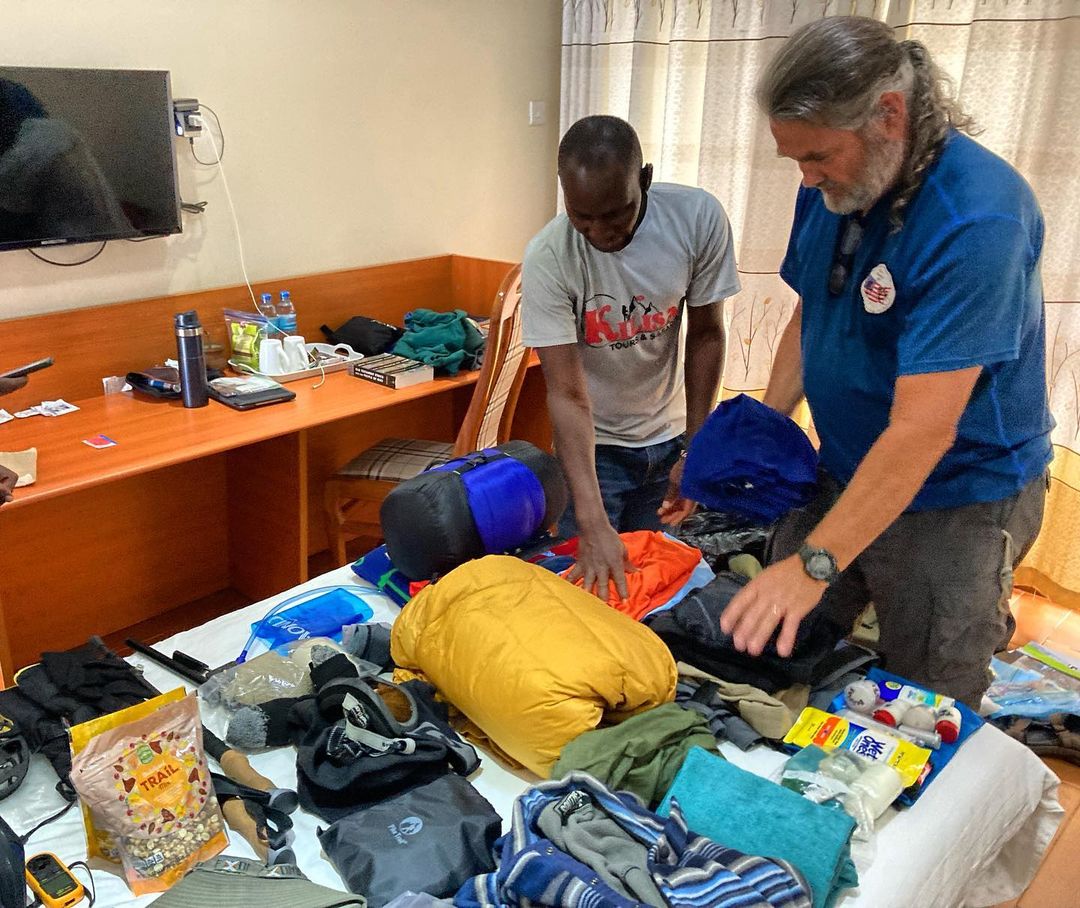

Climbing Kilimanjaro solo doesn't mean climbing it alone. When you join a group, you reach the same summit for a lower price, and quite often you make a few real friends along the way.
Have questions? We're happy to help. Get in touch with our team and we'll help you find a group departure that fits your dates and your route.


