
What Is the Safest Route to Climb Kilimanjaro? Safety Tips and Acclimatization

Safety comes first on Africa's highest peak. Here's which routes give you the best acclimatization schedule for a safe, successful summit.
At 5,895 meters above sea level, Mount Kilimanjaro is the highest peak in Africa and one of the most popular trekking goals in the world. You don't need any technical climbing experience, which puts it within reach of a lot of people. But that also means people sometimes underestimate the real challenge: altitude.
The most common reason climbers turn back before the summit isn't a lack of fitness. It's altitude sickness. And the most important thing you can do to avoid altitude sickness is choose a route that gives your body enough time to acclimatize. That's what this guide is about.
At Kilisa Tours and Safari, we've guided climbers of every fitness level to Uhuru Peak. Here's our honest, experience-based look at the safest Kilimanjaro routes, and how to give yourself the best possible chance of standing on the roof of Africa.
Why Route Safety Matters More Than You Think
All of Kilimanjaro's established routes are safe in the usual sense. There are no glaciers to cross with special equipment and no sheer rock faces that need ropes. Safety on Kilimanjaro is mostly about one thing: acclimatization.
Acclimatization is how your body gets used to the lower oxygen at high altitude. If you go up too fast, your body doesn't have time to adjust, and altitude sickness sets in. The symptoms range from headaches and nausea to, in serious cases, High Altitude Pulmonary Edema (HAPE) or High Altitude Cerebral Edema (HACE). Both are medical emergencies.
Experienced mountain guides follow a simple rule: "climb high, sleep low." The best routes on Kilimanjaro are built around it, with extra acclimatization days, ups and downs in altitude, and well-placed rest camps.
Routes that take you to the summit in five days or fewer have clearly lower success rates. Routes of seven days or more give your body the time it needs, and that shows in how many climbers reach the top.
The Safest Kilimanjaro Routes, Ranked
1. Lemosho Route: The Safest Choice Overall
If safety and reaching the summit are what matter most to you, the Lemosho Route is our first recommendation. It comes up the mountain from the west through rainforest, and it gains height gradually, with plenty of variety, so your body has lots of time to adjust.
Most people do the Lemosho Route in seven or eight days, and you can stretch it to nine days if you want as much acclimatization as possible. It's long, it has fewer people than the Machame and Marangu routes, and it has a very good summit-night approach via the Lava Tower. That's why it's our top pick for climbers who put safety first.
Lemosho itineraries you can book:
- 6-Day Lemosho Route
- 7-Day Lemosho Route, our most popular
- 8-Day Lemosho Route
- 8-Day Crater Lemosho Route
- 9-Day Crater Lemosho Route, for the most acclimatization
2. Northern Circuit Route: Safe and Remote
The Northern Circuit Route is the longest route on the mountain. It usually takes nine to ten days. It goes around almost the whole northern side of Kilimanjaro, an area very few climbers ever see, before heading for the summit from the east.
Because it's so long and passes through so many different altitudes, the Northern Circuit has the best acclimatization profile of any route on the mountain. It also has the fewest people, so it feels quiet and wild. If you have the time and the budget, it's probably the safest single option.
3. Rongai Route: The Safe Approach from the North
The Rongai Route starts near the Kenyan border in the north. It's the only route that does. The climb is gentler and drier than on the southern routes. It's a good choice if you'd like a quieter mountain, slightly warmer conditions (the north side gets less moisture), and a simple route up with a different path down.
The seven-day Rongai is clearly safer than the six-day version, and we always suggest adding that extra day if you can.
- 6-Day Rongai Route
- 7-Day Rongai Route, recommended
4. Machame Route: Popular, Scenic and Well Planned
The Machame Route, also called the "Whisky Route", is one of the most popular routes on the mountain, and there's a reason for that. It has some of the most dramatic and varied scenery on Kilimanjaro, and the way it gains height gives you good chances to acclimatize, especially around the Lava Tower.
We strongly recommend the seven- or eight-day Machame over the six-day version. The extra days make a real difference to both your safety and your chance of reaching the top.
- 6-Day Machame Route
- 7-Day Machame Route, recommended
- 8-Day Machame Route
- 8-Day Crater Machame Route
- 7-Day Machame Route, New Year Departure
5. Marangu Route: A Classic, but Harder for Acclimatization
The Marangu Route is the oldest and best-known route on the mountain. Some people call it the "Coca-Cola Route". It's the only route where you sleep in huts, so it's popular with climbers who'd rather sleep in a dormitory than a tent.
However, the traditional five-day Marangu is the shortest major route on the mountain, and that's where the safety concern comes in. Five days doesn't leave much time to acclimatize, and fewer people reach the summit on the five-day Marangu than on longer routes. We always recommend the six-day version, which adds an important rest day at Horombo Hut.
- 5-Day Marangu Route
- 6-Day Marangu Route, our recommendation
6. Shira Route: A High Start That Needs Extra Care
The Shira Route starts very high, at around 3,500 meters. That means you reach altitude quickly, with a less gradual climb than on other routes. It's a beautiful and quieter path, but you need to prepare well for it.
7. Umbwe Route: The Hardest Route
The Umbwe Route is the steepest and most direct way to the summit. It's short and dramatic, and it's best for very fit, experienced trekkers who have already done well at altitude. We don't recommend it for a first Kilimanjaro climb, or for anyone worried about altitude sickness.
8. Western Breach Route: For Experienced Climbers Only
The Western Breach Route is the most technical way up the mountain. It includes a steep boulder field above Arrow Glacier. It's a serious climb and only suitable for experienced climbers who handle altitude well and are comfortable on difficult ground.

Kilimanjaro Route Safety at a Glance
| Route | Duration | Acclimatization | Difficulty | Best For |
|---|---|---|---|---|
| Northern Circuit | 9–10 days | Excellent | Moderate | Most safety, quiet trails |
| Lemosho | 7–9 days | Excellent | Moderate | Best all-round, scenic |
| Rongai | 6–7 days | Good | Moderate | Quieter, drier approach |
| Machame | 6–8 days | Good | Moderate–Challenging | Scenic, popular, varied landscapes |
| Marangu | 5–6 days | Fair (6-day) | Moderate | Huts to sleep in, classic route |
| Shira | 7 days | Fair | Moderate–Challenging | Remote, starts high |
| Umbwe | 6 days | Poor | Challenging | Fit, experienced trekkers only |
| Western Breach | 8–11 days | Good (if long) | Very Challenging | Experienced climbers only |
Essential Safety Tips for Climbing Kilimanjaro
Choosing the right route is the most important safety decision you'll make. But there are a few other things that make a real difference to your safety and comfort on the mountain.
1. Choose a Longer Itinerary
Whichever route you pick, go for the longest version you can. An extra day on the mountain is the cheapest insurance you can buy. Every extra night above 3,000 meters helps your body acclimatize, and the difference in summit success between a 6-day and an 8-day itinerary can be big.
2. Go Slowly: Pole Pole
Pole pole (you say it "polay polay") is Swahili for "slowly, slowly". It's the unofficial motto of Kilimanjaro. Walking slowly lets your body take in the changes in altitude bit by bit. Our experienced mountain guides keep a steady, careful pace for exactly this reason. If your guide tells you to slow down, listen.
3. Drink Water All Day
Dehydration makes the symptoms of altitude sickness worse. Try to drink three to four liters of water a day on the mountain, even when you don't feel thirsty. Avoid alcohol and cut down on caffeine at altitude.
4. Know the Symptoms of Altitude Sickness
The early symptoms of Acute Mountain Sickness (AMS) are:
- Headache (the most common symptom)
- Nausea or vomiting
- Dizziness or feeling lightheaded
- Feeling more tired than the day's walk should make you
- Trouble sleeping
- Loss of appetite
If you notice any of these, tell your guide straight away. Mild AMS can often be handled with rest and fluids. If the symptoms get worse, the only safe thing to do is go down. Kilimanjaro has a well-organized rescue system, and turning back is never a failure. It's the smart decision.
5. Ask About Acclimatization Medication
Diamox (acetazolamide) is a prescription medicine that's often used to prevent and ease the symptoms of altitude sickness. Talk to your doctor before your trip about whether it's right for you. It doesn't replace a good acclimatization schedule, but it can help. Our immunization and medical kit guide has more on this.
6. Pack the Right Gear
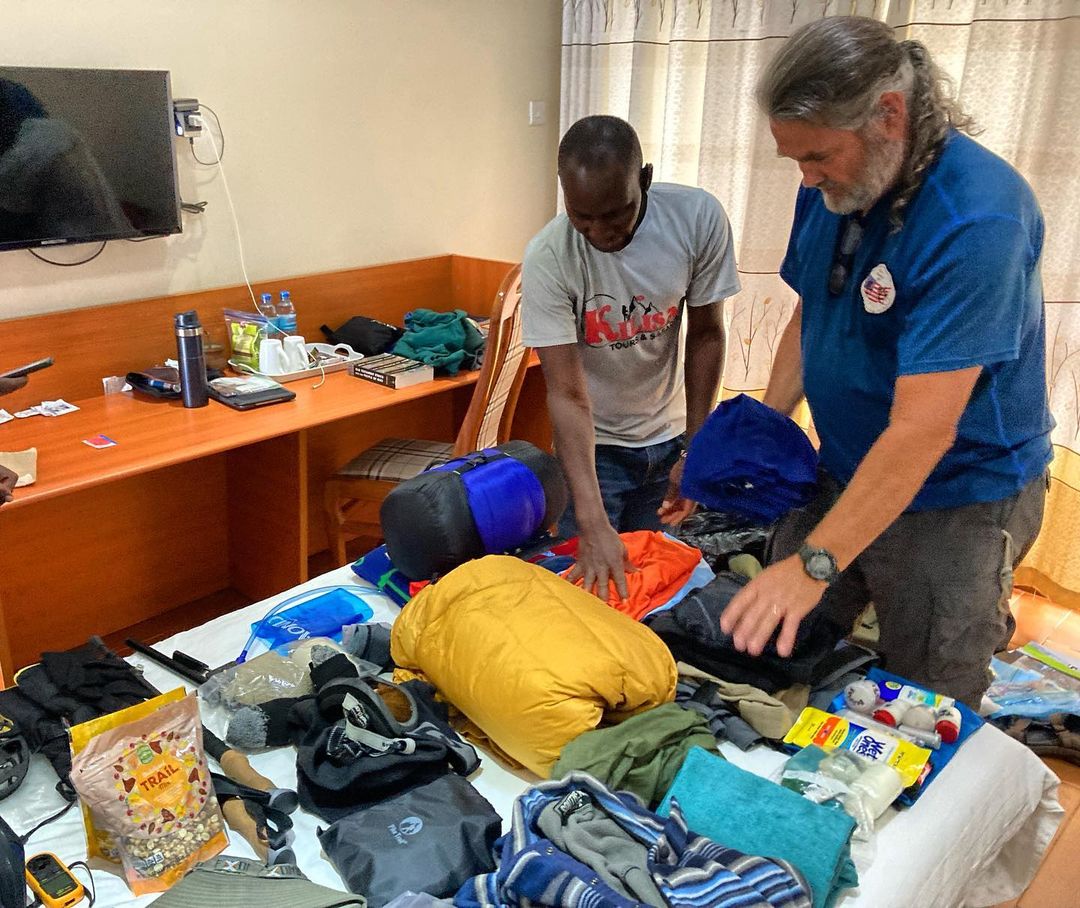
Near the summit, the temperature can fall well below freezing, even in the dry season. Good layers are a must: a base layer that moves sweat away, a warm mid-layer and a waterproof outer shell. Gaiters, trekking poles and a good sleeping bag rated for the cold are all important too. Our safari and trekking equipment guide and packing guide go through everything.
7. Get Travel Insurance That Covers Evacuation
A medical evacuation from high altitude can be very expensive. Make sure your travel insurance policy clearly covers high-altitude trekking and helicopter evacuation. Don't skip this.
8. Trust Your Guide, and Be Honest With Them
Our guides do health checks twice a day on the mountain, measuring the oxygen level in your blood and your heart rate. Every climber in our groups is checked. Our guides are trained in Wilderness First Aid and have led hundreds of summit climbs. But they can only help you if you tell them how you really feel. There's no shame in saying you have a headache. Hiding it is a real risk.
Acclimatization: How It Works
Knowing what your body does at altitude helps you work with it instead of against it.
At sea level, every breath gives your blood a normal amount of oxygen. Once you go above 2,500 meters, the air pressure drops and each breath brings in less oxygen. Your body reacts by breathing faster and deeper, making more red blood cells over days and weeks, and making other changes that take time.
The key rule, climb high, sleep low, uses this. You spend the day higher up and then go down a little to sleep. That gives your body the push to acclimatize without the strain of sleeping at the higher altitude. Many of Kilimanjaro's better routes have this built in. On the Lemosho Route, for example, you climb to the Lava Tower at 4,630 meters and then go down to Barranco Camp at 3,960 meters for the night. It's a classic acclimatization day and it works very well.
That's why longer routes are safer routes. More days means more of these up-and-down cycles, and a body that's better prepared for summit night.
Combining Kilimanjaro With a Tanzania Safari
Many of our climbers add a wildlife safari after the summit. It's a great combination: the quiet, steady days on the mountain, followed by the action of the plains full of animals. We've put together several itineraries that do exactly this:
- 10-Day Kilimanjaro Climb and Safari
- 11-Day Kilimanjaro Climb and Safari
- 10-Day Kilimanjaro Combine Tour
- 11-Day Kilimanjaro Combine Tour
You can also look through all our Tanzania combination safari options and build your own itinerary around your interests and your dates.
Want to Climb a Different Peak First?
If you'd like some altitude experience before you take on Kilimanjaro, or you're looking for something shorter, think about:
- Mount Meru: Tanzania's second-highest peak at 4,566 meters. It's a great acclimatization climb and a fine climb in its own right. You can do it as a 3-day or 4-day climb.
- Mount Oldoinyo Lengai: an active volcano and a sacred mountain for the Maasai. It's a rough, unusual trek that feels like another planet, and you can book it as a 3-day trek or a 7-day climb.

Our Honest Recommendation
If you ask us which is the safest route to climb Kilimanjaro, our answer is the Lemosho Route on a seven-day or longer itinerary. Or the Northern Circuit, if you have nine or ten days. Both give your body the time it needs, both are beautiful with lots of variety, and their summit success rates are among the highest on the mountain.
That said, the best route for you depends on your fitness, your schedule, your experience and the kind of trip you want. It's a conversation we really enjoy having with our guests before they book.
So please get in touch with our team. Tell us about your goals, your dates and any worries you have about altitude or fitness. We'll suggest a route, plan your itinerary, and make sure you start up that mountain as well prepared as you can be.
Uhuru Peak is waiting. Let's get you there safely.
Start planning your Kilimanjaro climb with Kilisa Tours today.


