
Tanzania Trekking Tours Are Getting a Makeover: What’s New in 2024?

Tanzania Trekking Tours in 2024
Tanzania is known for its big landscapes, from the high summit of Mount Kilimanjaro to the wide plains of the Serengeti. In 2024, trekking tours here are changing, with the aim of making them easier to reach, kinder to the environment and closer to local culture. Whether you want to climb Kilimanjaro, hike the quieter Usambara Mountains or walk the volcanic slopes of Ol Doinyo Lengai, the idea is a trek that is richer, safer and more sustainable.
In this post we look at what's new for trekking in Tanzania in 2024: route upgrades, greener camps, digital permits and treks that involve local communities. Here's what you need to know before you plan your hike this year.
What's Driving the Changes in Tanzania's Trekking Industry?
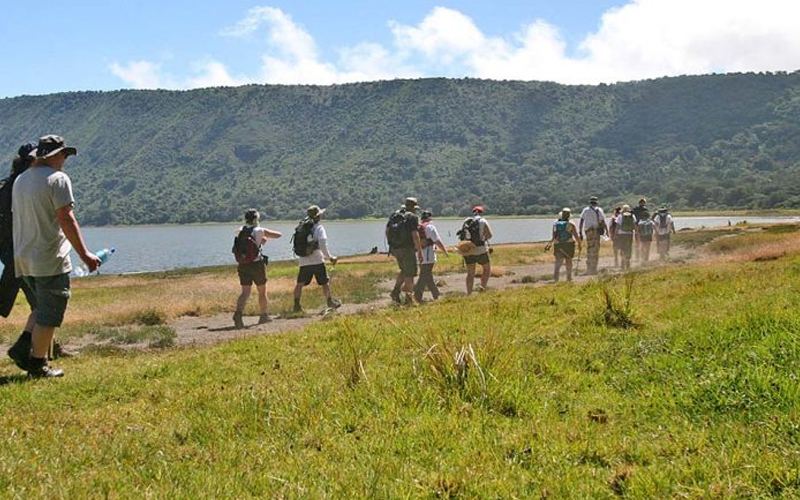
Several things are pushing the trekking industry to change. Eco-tourism is growing, more travelers care about sustainability, and many people want trips that are responsible and give them real contact with the places they visit. The goal is a better trek for you, while also protecting the land and supporting the communities that depend on tourism.
The main influences are:
- Sustainable tourism: More travelers ask for eco-friendly trips, so operators are taking up greener habits, such as cutting waste and offering carbon-neutral tours.
- Going digital: Digital permits and online booking make planning easier and help the parks manage visitors.
- Community involvement: There's more focus on involving local communities, sharing their culture with visitors and making sure trekking benefits the people who live around these areas.
Let's look at how these trends are changing trekking in Tanzania in 2024.
1. Eco-Friendly Trekking and Green Camps
Sustainability is at the center of the changes. As more travelers look for eco-friendly options, trekking companies are taking steps to reduce their impact on the environment.
What's changing:
- Solar-powered camps: Some operators now use solar panels for electricity in camp instead of fuel generators. That means fewer emissions and less engine noise in the wilderness.
- Waste management: In 2024 there's a strong push for "leave no trace". Operators are following stricter waste rules, carrying all non-biodegradable waste off the mountain and using biodegradable supplies where they can.
- Eco-lodges: Reports say some routes, especially around Kilimanjaro and Mount Meru, now have eco-lodges built from sustainable materials and run on renewable energy, as a comfortable alternative to camping. Ask us about your route before you count on one.
Example: Kilimanjaro Green Adventures was named as one operator leading this change, with solar charging points at campsites, eco-friendly water filters and biodegradable food packaging. Ideas like these let trekkers enjoy the outdoors while leaving less behind.
2. Trekking Routes with Better Infrastructure
Tanzania has some of the best-known trekking routes in Africa, and as more people come, the trails need care to stay safe and sustainable. In 2024, several popular routes are expected to get upgrades for safety and access.
Upgrades to expect:
- Better trail markings: New signs and markings have reportedly been added on routes like the Machame Route on Kilimanjaro and the Elephant Trail in the Usambara Mountains, making it easier to find your way along the trail.
- Better campsites: Campsites on busy routes are getting improved toilets, safer water points and more comfortable facilities. This matters most on Mount Kilimanjaro, where growing visitor numbers call for better infrastructure.
- New trekking areas: Quieter areas are being opened up for people who want to get off the busy trails. For example, the Ngorongoro Highlands Trek, which crosses the rim of the Ngorongoro Crater and visits Maasai villages, is getting attention as an alternative to the classic Kilimanjaro routes.
Example: The Northern Circuit Route on Mount Kilimanjaro was reported to have new rest stops and solar-powered shelters. This quieter route is becoming more popular because it has less traffic and wide views of the mountain.
3. Digital Permit Systems for Trekkers
As Tanzania moves more services online, 2024 brings digital permits for trekking, much like the system already used in the national parks. This makes it simpler to get permits for well-known treks like Mount Kilimanjaro and Mount Meru, with less paperwork.
Benefits of digital permits:
- Easier booking: Permits can be applied for online, which is quicker and more convenient. They can also be sorted out in advance, so there are fewer last-minute problems.
- Less paper: Doing away with paper permits cuts waste, which supports Tanzania's eco-tourism goals.
- Better monitoring: Digital permits help park authorities track how many people are on each route, so they can manage numbers and avoid overcrowding.
Example: The Kilimanjaro National Park Authority was reported to have brought in digital permits for the 2024 trekking season. Permits are applied for and paid online, a QR code is issued, and it's scanned at the checkpoints before the climb.
4. Cultural Treks and Community Engagement
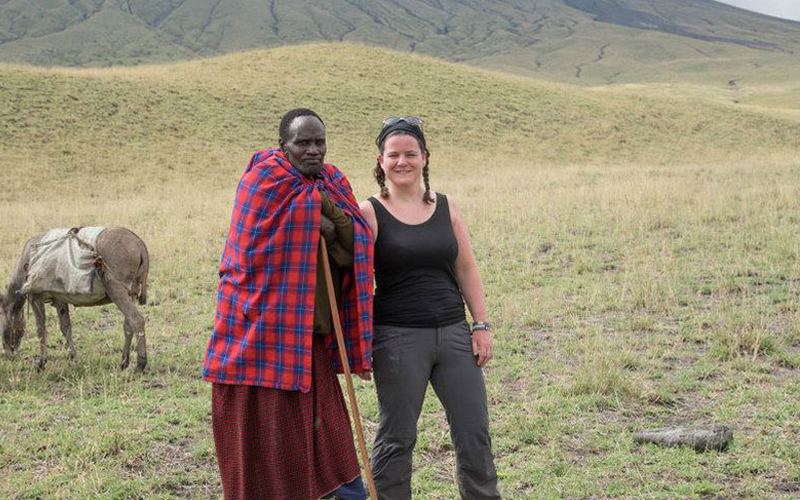

A big trend for 2024 is cultural trekking. These trips go beyond scenery: you meet local communities, learn about their traditions and help the local economy directly.
What's new:
- Cultural visits: Many treks now include time in Maasai villages, meeting the Chaga people near Kilimanjaro or learning about the Hadzabe hunter-gatherers near Lake Eyasi. You get a look at the lives of people who have lived in these areas for centuries.
- Local guides and porters: More operators hire guides and porters from communities close to the mountains. That creates jobs, and it means you hear about the land and its meaning from the people who know it best.
- Fair trade: In 2024, more trekking companies are committing to fair wages and better working conditions for guides and porters. Some initiatives aim to put a share of trekking income back into local communities.
Example: The Kilimanjaro Porters Assistance Project (KPAP) works for the fair treatment of porters on Kilimanjaro. In 2024, more operators are partnering with KPAP to improve working conditions, pay fair wages and provide gear for porters.
5. New Health and Safety Protocols
Trekking in Tanzania has real challenges, from high altitude to remote terrain. In 2024, new health and safety measures aim to make sure both trekkers and guides are better prepared for the physical demands.
Key safety changes:
- Preventing altitude sickness: Operators are paying more attention to acclimatization, with longer routes and extra rest days on high treks like Kilimanjaro. This gives your body time to adjust and lowers the risk of altitude sickness.
- Emergency response: Camps on the main routes are reported to have better communication and medical equipment, including portable oxygen and, in some places, defibrillators. Helicopter evacuation is also easier to arrange in remote areas.
- Health checks: Some operators now offer health screenings before the trek to check that you're fit for the climb. This matters especially on Kilimanjaro and Meru, which are physically demanding.
FAQs
Q1: What are the new trekking routes in Tanzania for 2024?
A: Classic climbs like Mount Kilimanjaro are still the most popular, but newer options such as the Ngorongoro Highlands Trek and quieter paths in the Usambara Mountains are getting attention for being different and less crowded.
Q2: How are trekking tours becoming more eco-friendly?
A: In 2024, trekking tours in Tanzania are using solar-powered camps, better waste management and eco-friendly lodges that run on renewable energy. Many operators follow "leave no trace" rules and offer carbon offset programs.
Q3: What's the benefit of digital permits for trekking?
A: Digital permits make booking simpler, cut paperwork and help the parks keep track of visitor numbers, so routes don't get overcrowded and the environment is better protected.
Q4: Are cultural experiences part of the new trekking tours?
A: Yes. Many trekking tours in 2024 include visits to local communities, with time spent with Maasai, Chaga or Hadzabe people. You learn about their way of life and your visit helps the local economy.
Tanzania's Trekking Changes in 2024
Trekking in Tanzania is getting a welcome update in 2024, mixing adventure with sustainability and local culture. Whether you're climbing Kilimanjaro, hiking the green Usambara Mountains or heading for the volcanic craters of Ol Doinyo Lengai, these changes aim to make your trek safer, greener and more rewarding.
Tanzania keeps growing as a destination for travelers who care about the environment, and trekking here is moving in a good direction: wild landscapes, local culture and responsible travel. So lace up your boots, pack your trekking poles and come and see Tanzania on foot, leaving a lighter footprint behind!


