
Mount Kilimanjaro Treks in 2025: Why January is the Best Time to Climb

Mount Kilimanjaro in January 2025: The Best Time to Climb
If you've ever dreamed of standing on the "Roof of Africa," January 2025 could be a great time to do it. Mount Kilimanjaro is one of the most famous mountains on earth and a favorite with people who love a challenge. Why January? The weather is usually good, the views are wide open, and there are fewer climbers than in the busiest months. Here's why January 2025 is one of the best times to climb Kilimanjaro.
Why Mount Kilimanjaro Draws Climbers
Mount Kilimanjaro isn't just a mountain. For many people, reaching the top is a big personal goal. It's the highest freestanding mountain in the world and the tallest in Africa, and it draws over 50,000 climbers each year. But it's about more than the summit. On the way up you pass through several climate zones, each with its own plants and views, and that's a big part of what makes the climb so memorable.
Why January is Perfect for Climbing

January falls in the middle of Kilimanjaro's short dry season, which makes it one of the best months for trekking. Here's why:
Good Weather
- Clear skies: Expect sunny days and great views of the land around the mountain.
- Little rain: The trails are drier, so there's less chance of slipping or trudging through mud.
- Comfortable temperatures: Summit night can be cold, but the lower and middle zones stay pleasant.
Great Views
January's clear skies give you wide views, from the green forests at the bottom to the snow on the summit. The nights are often clear too, which is perfect for stargazing.
Fewer Crowds
January draws fewer climbers than the peak months of June to October, so the trek can feel quieter and more personal.
The Best Routes for a January Climb
Kilimanjaro has several routes, each with its own challenges and rewards. Here's a quick guide to the best options for January:
Machame Route
- Duration: 6-7 days
- Why January works: Dry weather makes the most of this route's scenic trails and varied landscapes.
Lemosho Route
- Duration: 7-8 days
- Why January works: Great for photographers and nature lovers, with wide views under clear skies.
Northern Circuit Route
- Duration: 9-10 days
- Why January works: Good if you like quiet trails. This route combines very good acclimatization with excellent scenery.
Marangu Route
- Duration: 5-6 days
- Why January works: You sleep in huts, which makes it a good choice if you want more comfort.
Preparing for Your January Climb
Climbing Kilimanjaro takes careful preparation, and January conditions are no exception.
Physical fitness: Training is important. Work on your cardio, strength and stamina so you're ready for a high-altitude trek.
What to Pack
- Layers: Be ready for temperatures that change a lot during the day.
- Footwear: Waterproof, well-broken-in boots are a must.
- Gear: Bring trekking poles, a warm sleeping bag and a reliable daypack.
Acclimatization: Choose a longer route for better acclimatization. It improves your chances of reaching the summit without altitude sickness.
What to Expect on the Trek
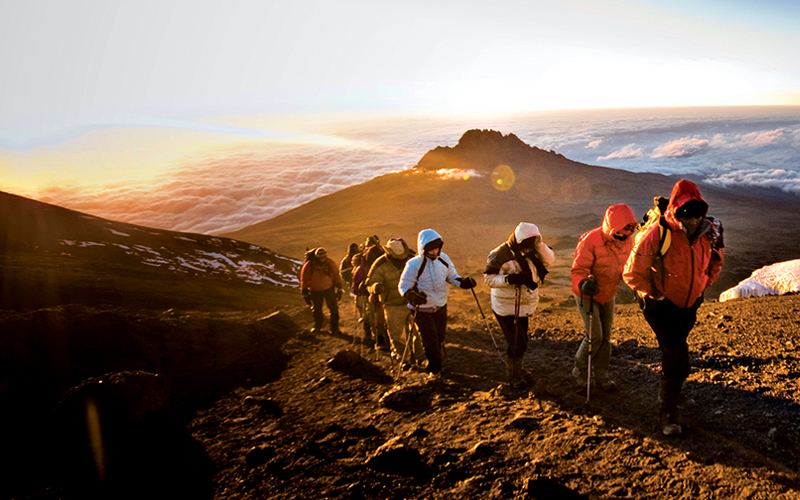

The Climate Zones
On a Kilimanjaro trek you pass through five different ecological zones:
- Rainforest zone: Thick green forest with plenty of wildlife.
- Heath zone: Unusual plants like giant groundsel and lobelia.
- Moorland zone: Strange, almost otherworldly landscapes.
- Alpine desert: Bare, rocky ground with its own stark appeal.
- Summit zone: Snow and ice near the top.
Summit Night
This is the hardest part of the trek, and the most rewarding. You start at midnight and aim to reach Uhuru Peak by sunrise.
Sustainability on Kilimanjaro
Responsible tourism helps keep Kilimanjaro beautiful.
- Eco-friendly habits: Leave no trace and get rid of your waste responsibly.
- Fair treatment of porters: Make sure your tour operator follows ethical guidelines.
- Support conservation: Contribute to tree-planting programs and park projects.
Tips for a Successful January Climb
- Drink water: Drink plenty of water to help with the effects of altitude.
- Go slowly: Follow the "pole pole" (slowly, slowly) approach to save energy.
- Listen to your guides: Their experience and advice are a big help for a safe climb.
January 2025 is a great time to climb Mount Kilimanjaro. With good weather, fewer crowds and wide views, it's a fine chance to reach your goal of standing on Africa's highest peak. Prepare well, choose the right route and look after the mountain, and you'll give yourself the best chance of a successful, memorable trek. Start planning now!
FAQs
1. How long does it take to climb Kilimanjaro in January?
Most routes take 5-10 days, depending on the route you choose and how much time you need to acclimatize.
2. What is the weather like in January on Kilimanjaro?
January usually has steady, dry weather with sunny days and clear nights. At the summit, temperatures can drop below freezing.
3. Is January a good time for first-time climbers?
Yes. The dry season makes the trails easier to manage, and the clear skies make the climb even better.
4. What are the costs of climbing Kilimanjaro?
Costs vary by route and tour operator, but they typically range from $1,500 to $3,000 per person.
5. What fitness level is required for Kilimanjaro?
You need moderate to high fitness. Cardio, strength training and endurance exercises are recommended.
Explore some of Tanzania's best parks:
- Ngorongoro Conservation Area: Home to the famous Ngorongoro Crater, full of wildlife.
- Serengeti National Park: Known for its wide plains and the Great Migration.
- Ruaha National Park: A less-visited park with lots of elephants and predators.
- Mikumi National Park: Easy wildlife viewing and lovely scenery.
- Mkomazi National Park: Dry, open scenery with rare species like black rhinos and wild dogs.
Each of these parks is well worth a visit.


