
Kilimanjaro Trekking 2025: New Sustainable Tourism Practices

Sustainable Mount Kilimanjaro Trekking in 2025
Mount Kilimanjaro, the "Roof of Africa", is still on many hikers' bucket lists. As one of Tanzania's best-known landmarks, it brings thousands of trekkers to the mountain every year. With more people now aware of how tourism affects nature, 2025 brings a shift toward sustainable practices that protect the mountain's special ecosystem. Here's what you can expect on a Kilimanjaro trek in 2025, and how sustainable tourism is shaping the future of the climb.
1. Strict Waste Management Rules
Kilimanjaro National Park has stepped up its work on waste. The "Leave No Trace" policy has been promoted for a long time, and it's now strictly enforced together with tour operators.
New Practices in 2025:
- Waste Must Come Down: Every trekking group has to carry its waste off the mountain. Tour operators must show proof that waste was disposed of properly before they get their climbing permits.
- Plastic Ban: Single-use plastics, such as water bottles and plastic bags, are no longer allowed on the mountain. Trekkers are asked to bring reusable water bottles and eco-friendly packaging.
- Recycling Stations: New recycling points have been set up at starting points like Machame Gate and Marangu Gate to help with responsible waste management.
What You Can Do: Bring refillable water bottles and biodegradable toiletries, and follow the guidelines your eco-certified tour operator gives you.
2. Renewable Energy at Campsites
To lower the carbon footprint of Kilimanjaro trekking, campsites along the popular routes have started using renewable energy.
Sustainable Upgrades in 2025:
- Solar-Powered Lighting: Campsites and huts, such as those on the Marangu Route, now have solar-powered lights. This means fewer kerosene lanterns, which pollute the air.
- Eco-Friendly Cooking: Porters and guides cook on energy-efficient stoves, so less firewood and charcoal is used up.
What You Can Do: Choose tour operators that invest in renewable energy, and save energy where you can during your climb.
3. Porters' Welfare and Ethical Tourism
2025 is an important year for the welfare of the porters, the hardworking people who make every Kilimanjaro climb possible. Organizations like the Kilimanjaro Porters Assistance Project (KPAP) keep pushing for fair treatment, and tour operators are being held responsible for how they look after their porters.
Improvements for Porters:
- Fair Wages: Operators have to pay porters standard wages, so they're paid fairly for their hard work.
- Load Limits: Strict weight limits apply, and each porter may carry no more than 20 kilograms.
- Proper Gear: Trekkers are encouraged to pick tour operators that give porters proper clothing, shoes and sleeping gear for Kilimanjaro's harsh conditions.
What You Can Do: Climb with KPAP-approved tour operators that put porter welfare first and follow ethical guidelines.
4. Carbon Offsetting and Sustainable Tour Operators
More and more Kilimanjaro trekking companies are joining carbon-offset programs in 2025 to balance out the environmental impact of their trips.
Key Initiatives:
- Tree Planting: Operators work with tree-planting projects around Kilimanjaro, planting trees to absorb the CO₂ that trekking produces.
- Eco-Certification: Many companies now go through audits to check they meet sustainable tourism standards, and you can spot certified operators by their badges or labels.
What You Can Do: Choose companies that take part in carbon-offset programs or support conservation projects.
5. Sustainable Trekking Routes
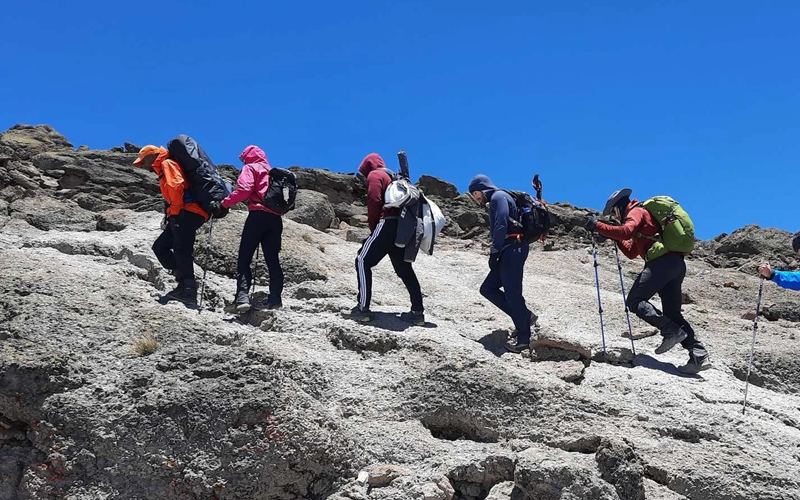
Kilimanjaro's classic routes, like Machame, Marangu and Lemosho, are still popular. But new sustainable routes have been introduced to lower the impact on the environment and spread trekkers out.
New Routes and Changes in 2025:
- More Focus on the Northern Circuit: Known for its scenery and smaller crowds, the Northern Circuit is now promoted as the most sustainable route. Its longer itinerary gives you better acclimatization and takes pressure off the busy trails.
- Eco-Friendly Facilities: Rest stops and campsites on quieter routes are getting composting toilets, eco-friendly waste facilities and water purification systems to reduce harm to nature.
What You Can Do: Think about the Northern Circuit or another quieter route. It takes pressure off the popular paths, and you get a different kind of trek.
6. Better Education for Climbers
A big part of sustainable trekking in 2025 is teaching climbers about the mountain's fragile ecosystem and how to protect it.
- Pre-Climb Briefings: Tour operators now hold required briefings before the climb. They cover things like cutting waste, respecting wildlife and not damaging plants or animals.
- Guides as Teachers: Certified guides are trained to share what they know about Kilimanjaro's plants and animals, its culture and its conservation challenges along the way.
- What You Can Do: Make the most of these chances to learn, and put them into practice on your climb, for example by staying on the marked trails and never littering.
7. Supporting Local Communities
Tourism on Kilimanjaro is an important source of income for the communities around the mountain. In 2025, there's a stronger push to make sure the money from tourism reaches local people.
Community-Based Tourism:
- Local Food: Operators are encouraged to buy food from nearby farms, which cuts transport emissions and supports local farmers.
- Cultural Visits: Many trekking packages now include optional visits to local Chagga villages, where you can learn about traditional ways of life and support craftspeople directly by buying handmade crafts.
What You Can Do: Choose operators that involve local communities in their work, and think about adding a cultural visit to your trek.
Mount Kilimanjaro is still one of the most impressive places in the world, but its future depends on responsible tourism. In 2025, sustainable projects are changing the way people climb the mountain and helping protect its nature and culture for the generations to come. When you choose eco-friendly tour operators, respect local communities and travel with care, you help protect this famous mountain and still have a great climb.
See Tanzania Your Way
- Tanzania Luxury Safari: Comfortable, stylish stays on safari.
- Tanzania Budget Camping Safari: Adventure on a budget.
- Tanzania Safari: Wildlife and wide-open landscapes.
- Tanzania Day Tour: Ideal when you only have a short time.
Get in touch and start planning your Tanzania trip.


