
Kilimanjaro Trekking 2025: Exploring the New Sustainable Trails

Sustainable Kilimanjaro Trekking Routes in 2025
Mount Kilimanjaro, Africa's highest mountain, keeps drawing climbers from all over the world. For 2025, the big story on Kilimanjaro is sustainability and looking after the mountain. As more travelers ask for eco-conscious trips, Tanzania has introduced new sustainable trails and improved existing routes, so trekkers can have a great climb with less impact on the environment.
Why Sustainability Matters in Kilimanjaro Trekking
1. Protecting a UNESCO World Heritage Site
Mount Kilimanjaro is a UNESCO World Heritage Site, with many different ecosystems and plants and animals you won't find anywhere else. The growing number of trekkers puts pressure on this delicate environment. Sustainable trails are there to keep the mountain unspoiled for future generations.
2. Supporting Local Communities
Sustainable trekking projects often work together with local communities. They help make sure porters, guides and local businesses get a fair share, which keeps tourism ethical.
3. Reducing Carbon Footprints
Steps like waste management, renewable energy at camps and careful trekking habits all help lower the carbon footprint of each climb.
What's New in Kilimanjaro Trekking for 2025?
1. New Sustainable Trails
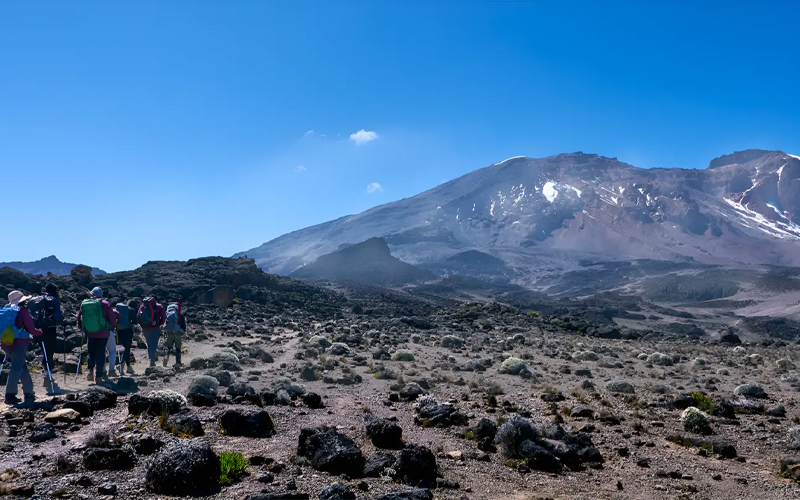
To take pressure off popular routes like Marangu and Machame, new trails have been introduced. They spread trekkers out, give you a quieter time on the mountain and protect less-used parts of it.
2. Better Waste Management
Working with local and international environmental groups, new waste collection systems have been set up along all routes. Trekkers now have to follow a "leave no trace" policy, so all waste is carried off the mountain.
3. Eco-Friendly Campsites
Campsites along the routes have been upgraded with solar-powered lighting, eco-toilets and water purification systems. These changes make the trek more comfortable and lower the impact on the environment.
4. Community-Based Trekking Programs
Some routes now include community-based experiences, where you can visit local villages, learn about Chagga culture and support community projects directly.
The Best Sustainable Routes for 2025
1. Northern Circuit Route
Known as one of the most scenic and least crowded routes, the Northern Circuit has become popular with eco-conscious trekkers. It's a longer route with very good acclimatization and wide views of Kilimanjaro's northern slopes, which makes it a sustainable and rewarding choice.
2. Lemosho Route
The Lemosho Route is known for its beautiful scenery and fewer people. It goes through green rainforest, alpine meadows and across the Shira Plateau, so you see a lot of different landscapes with less strain on the environment.
3. Rongai Route
As the only route that approaches Kilimanjaro from the north, the Rongai Route is a quieter climb. It's close to wildlife areas, which adds something extra, and its layout helps keep crowding down.
4. Grand Traverse Route (New for 2025)
This trail was developed with sustainability in mind. It takes you on a longer trek across less-visited parts of Kilimanjaro, so you see the mountain from a different side while following eco-friendly practices.
How to Prepare for a Sustainable Trek in 2025

1. Choose an Eco-Certified Tour Operator
Make sure your trek is run by an operator that takes sustainability seriously. Look for certifications or memberships in eco-tourism organizations, and ask about their environmental policies.
2. Pack Responsibly
Bring reusable water bottles, biodegradable toiletries and light gear to keep waste down. Leave single-use plastics at home, as they are strictly banned on Kilimanjaro.
3. Follow the Trekking Rules
Stick to the "leave no trace" principles, respect wildlife and stay on the marked trails so you don't damage the mountain.
4. Support Local Communities
Buy souvenirs from local craftspeople, hire local guides and think about giving to community projects that benefit from trekking tourism.
What to Expect on a Sustainable Trek in 2025
1. Wonderful Scenery
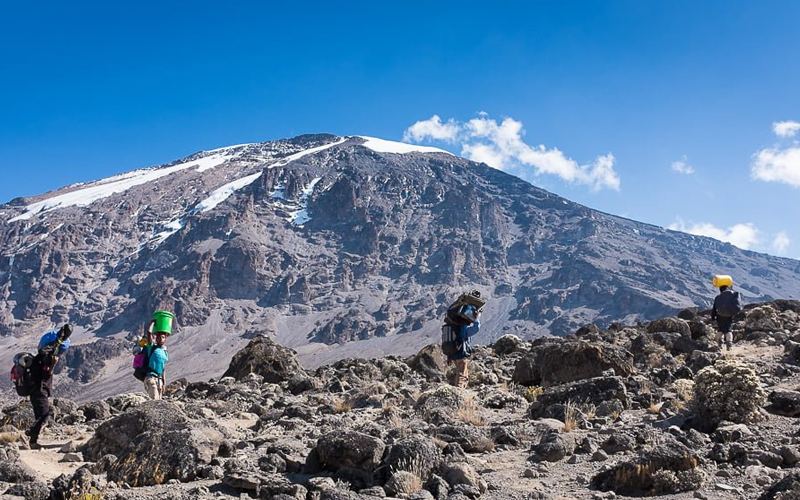
From the green rainforest to the glaciers and Uhuru Peak at the top, Kilimanjaro is a beautiful mountain. Sustainable trails help keep these views unspoiled.
2. Smaller Groups and Fewer Crowds
With new routes and trekkers spread more evenly, you can expect quieter trails and more time to enjoy nature.
3. Better Facilities
Eco-friendly campsites, better waste management and solar power make the trek more comfortable while protecting the environment.
4. A Closer Connection with Nature
Sustainable trekking isn't only about reaching the summit. It's about enjoying every day on the way up and understanding why Kilimanjaro's ecosystem needs protecting.
Kilimanjaro trekking in 2025 is about more than reaching the top of Africa's highest peak. It's about doing it responsibly. With new sustainable trails, better facilities and community projects, you can have a great climb and help protect the mountain at the same time.
When you choose eco-conscious habits, your trek means more, and you help look after Kilimanjaro for the people who come after you.
FAQs
- What makes a trekking route sustainable?
Sustainable routes are planned to keep the impact on the environment low, spread trekkers out and encourage eco-friendly habits. - How do I find an eco-certified tour operator?
Look for operators that are members of organizations like the Kilimanjaro Porters Assistance Project (KPAP) or other eco-tourism groups. - What is the best time to trek Kilimanjaro in 2025?
The dry seasons, from January to March and June to October, are still the best times to trek. - Are the new trails harder?
Some new trails may be longer or less familiar, but they're designed to balance adventure with safety and sustainability. - Can I trek Kilimanjaro as a beginner?
Yes. With good preparation and acclimatization, beginners can make it. Choosing a longer route like the Northern Circuit can improve your chances of reaching the summit.
Tanzania's National Parks and Conservation Areas
- Mount Kilimanjaro National Park: The landscapes of Africa's highest peak.
- Ngorongoro Conservation Area: The famous crater and its wildlife, in a UNESCO World Heritage Site.
- Ruaha National Park: Wild country and lots of wildlife in Tanzania's largest park.
- Mkomazi National Park: A quiet park with rare species like the black rhino and the African wild dog.
- Mikumi National Park: Easy access and plenty of wildlife in Tanzania's most accessible safari park.
Have a look at our pages for more details, and let us know when you're ready to plan your trip.


