
How Tanzania’s Beaches Are Adapting to the Rising Sea Levels

Tanzania's Beaches and Rising Sea Levels in 2024
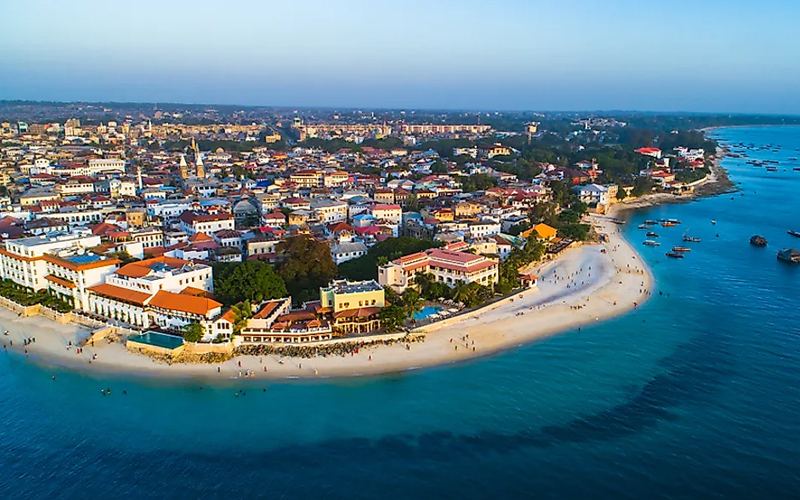
Tanzania's coast, with its white beaches and colorful sea life, is a big draw for visitors and an important resource for the people who live there. But rising sea levels, caused by global climate change, are a serious threat to these beaches. Coastal erosion and the loss of plants and animals are big challenges. The good news is that Tanzania is taking action to adapt and protect its beaches for the future.
How Rising Sea Levels Affect Tanzania's Coastline
- Coastal Erosion and Shrinking Beaches: Rising seas have sped up erosion on Tanzania's beaches, and well-known places like Zanzibar and Dar es Salaam have seen the shoreline move back noticeably. This erosion threatens not only the look of the beaches but also the infrastructure that tourism depends on.
- Threats to Sea Life: Higher sea levels upset marine habitats like coral reefs and seagrass beds, which are important nurseries for young fish and other sea life. When these habitats suffer, fish numbers can drop, which hurts both nature and local fishing.
- Effects on Local Communities: Coastal communities in Tanzania depend a lot on fishing, tourism and small-scale farming. Rising sea levels have pushed salt water into the land and water supplies, caused flooding and forced some families to move, putting their livelihoods and way of life at risk.
Tanzania's Response to Rising Sea Levels
- Government Programs: The Tanzanian government has set up policies and programs to deal with coastal problems. These include the National Adaptation Programme of Action (NAPA), which focuses on protecting vulnerable coastal areas and investing in sustainable development.
- Community Efforts: Local communities are leading their own projects to protect the coast, from planting mangroves to organizing beach clean-ups that keep the shore free of rubbish so nature can recover.
- International Organizations: Partnerships with global organizations such as the World Bank and the United Nations Development Programme (UNDP) have brought money, expertise and resources to help Tanzania protect its coast.
New Ways to Protect the Beaches
- Planting Mangroves to Slow Erosion: Mangroves are natural barriers against storm surges and erosion. Replanting mangrove forests along Tanzania's coast has helped hold shorelines in place and created homes for sea life.
- Building Seawalls and Breakwaters: Seawalls and breakwaters are built structures that protect the coast from waves and stop further erosion. They can be expensive, but they give important protection to places at risk.
- Restoring Coral Reefs as Natural Barriers: Coral reefs break up waves and take away some of their force before they reach the shore. Restoration projects, such as coral gardening, are helping rebuild these reefs, which is good for nature and for the local economy.
The Role of Sustainable Tourism
- Eco-Friendly Tourism: Tour operators are switching to eco-friendly practices, such as using solar power, cutting waste and teaching visitors why it matters to protect the sea.
- A Smaller Footprint on the Coast: Cutting pollution and managing waste are key to keeping Tanzania's beaches healthy. With sustainable practices, tour operators can help keep these places beautiful.
- Tour Operators and Conservationists Working Together: Joint work between tourism businesses and conservation groups has led to projects like reef restoration and wildlife protection, so tourism helps the environment instead of harming it.
Challenges in Adapting to Climate Change
- Not Enough Funding for Big Projects: Finding enough money is still a major obstacle for large adaptation projects. Many depend on international grants, which don't always come regularly.
- Balancing Development and Conservation: Fast-growing towns and new tourism developments along the coast can clash with conservation goals. Finding a balance between economic growth and protecting nature is essential.
- Involving Local Communities for the Long Term: Community involvement is key to adapting in a lasting way. But limited awareness and resources can hold back what local groups are able to do.
Success Stories Along Tanzania's Coastline
- Zanzibar's Mangrove Restoration Projects: Zanzibar has restored large areas of mangrove forest, which protect the coast and also support the local economy through sustainable harvesting.
- Mafia Island's Coral Reef Conservation: Mafia Island's marine park is a good example of how protecting coral reefs can bring back marine life and attract eco-tourism.
- Bagamoyo's Community Beach Protection: In the coastal town of Bagamoyo, the community has come together to fight erosion with tree planting and careful land management, which also helps protect its rich cultural heritage.
The Future of Tanzania's Beaches
- Expected Changes to the Coast: Sea levels are expected to keep rising, so Tanzania's coastline will probably change a lot. Acting early can reduce the damage and protect key areas.
- Building Resilience to Climate Change: Investing in infrastructure built for a changing climate, and in nature-based solutions, will be key to protecting Tanzania's beaches and coastal communities.
- Why Global Climate Action Matters: Tanzania can't stop rising sea levels on its own. Countries need to work together and act firmly on climate change to protect coastlines around the world for the long term.
Tanzania's beaches are more than beautiful places. They're a lifeline for local communities and a treasure for the whole world. Adapting to rising sea levels takes many different steps, from replanting mangroves to sustainable tourism. There are still challenges, but the progress so far gives hope that the coast can be protected for generations to come. Now is the time to act, and everyone can help protect these valuable places.
FAQs
- How are rising sea levels affecting Tanzania's beaches?
They cause coastal erosion, habitat loss and flooding, which threaten both nature and local livelihoods. - What is Tanzania doing to fight coastal erosion?
The work includes planting mangroves, building seawalls and restoring coral reefs. - How does sustainable tourism help protect beaches?
It encourages eco-friendly habits, cuts pollution and helps pay for conservation through responsible tourism. - Why are mangroves important for protecting coastlines?
Mangroves act as natural barriers, slowing erosion and giving sea life a place to live. - How can visitors help protect Tanzania's beaches?
You can choose eco-friendly tours, join beach clean-ups and donate to conservation programs.


