
Climbing Mount Kilimanjaro: New Routes and Regulations for 2025 Trekkers

Mount Kilimanjaro Climbing Routes and Regulations for 2025
Mount Kilimanjaro, the "Roof of Africa", is still one of the most popular treks in the world. At 5,895 meters (19,341 feet), this dormant volcano draws thousands of climbers every year, from experienced mountaineers to people on their very first big climb.
Kilimanjaro trekking in 2025 brings some changes: new climbing routes, updated rules and more work on sustainability. Whether it's your first trek or you're coming back for another go, here's what you need to know about climbing Kilimanjaro in 2025.
Why Climb Kilimanjaro in 2025?
Kilimanjaro has long been a bucket-list trek, and 2025 adds a few more reasons to go:
- New routes: The Tanzanian government and park authorities have added trails to ease crowding and offer new ways up.
- Stronger conservation: Kilimanjaro's glaciers are shrinking fast, and new sustainability work aims to protect the mountain's fragile ecosystem.
- Better trekking facilities: Improved accommodation, better-kept trails and stricter safety rules make the climb easier to access and more enjoyable.
Understanding the Existing Routes
Before looking at the new options, it helps to know the traditional routes:
- Marangu Route – the only route with huts to sleep in, often called the "Coca-Cola Route".
- Machame Route – scenic but tough, nicknamed the "Whiskey Route".
- Lemosho Route – a long, scenic trail with high success rates thanks to slow, gradual acclimatization.
- Rongai Route – the only route that approaches Kilimanjaro from the north, so it's quieter.
- Northern Circuit – the longest route and one of the most scenic, with the most time to acclimatize.
- Shira Route – similar to Lemosho, but it starts higher up, which makes acclimatization harder.
- Umbwe Route – the steepest and hardest route, best for experienced climbers.
New Routes Introduced in 2025
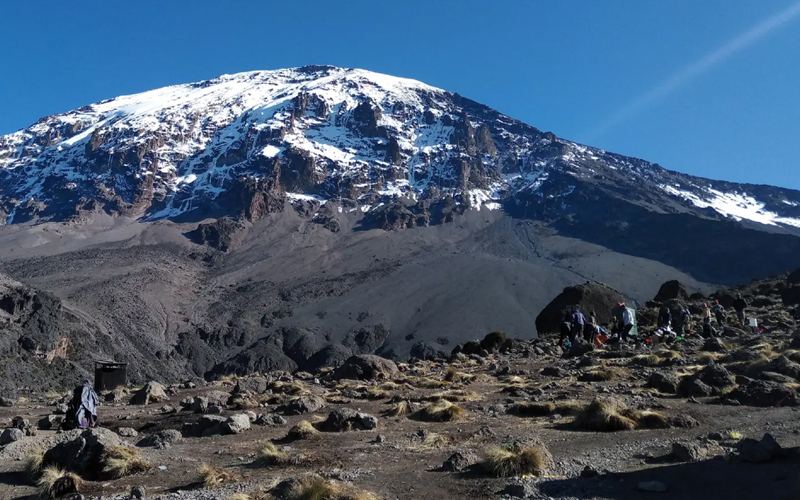
To improve the trek and protect Kilimanjaro's ecosystem, the authorities have brought in new routes for 2025:
- Mwika Route: a moderate trail with a good balance of challenge and scenery.
- South Crater Trail: a new option for experienced trekkers who want a different challenge near Kilimanjaro's glaciers.
- Eco-Trail Circuit: built with sustainability in mind, it keeps the impact on the environment low and still has great views.
Revised Regulations for 2025 Trekkers
To keep Kilimanjaro clean and climbers safe, these rules have been updated:
- Permits: You must book through a licensed tour operator. Climbing on your own is no longer allowed.
- Environment: A strict "Leave No Trace" policy applies, with fines for littering.
- Health and safety: Trekkers must have a medical check before the climb, and oxygen saturation monitoring is now required on some routes.
Best Times to Climb in 2025
- January – March: fewer people, and sometimes snow at the summit.
- June – October: peak season, with stable weather and high success rates.
- November – December: rainy but quieter, best for experienced trekkers.
Essential Gear and Packing List
- Clothing: layers that wick away sweat, insulated jackets and waterproof gear.
- Footwear: sturdy, waterproof hiking boots with good ankle support.
- Extras: a sleeping bag rated for below-freezing temperatures, trekking poles and a headlamp.
Physical Preparation and Acclimatization
- Training: focus on cardio, strength training and long endurance hikes.
- Acclimatization: choose a longer route so your body has more time to adjust to the altitude.
- Hydration: drink at least 3-4 liters of water a day.
With new routes, better facilities and stronger rules to protect the environment, 2025 looks like a very good year to take on Kilimanjaro. Whether you're an experienced mountaineer or a first-time trekker, this is your chance to stand on Africa's highest peak and support sustainable tourism at the same time.
Frequently Asked Questions (FAQs)
- What is the best route to climb Kilimanjaro in 2025?
It depends on your experience and what you're looking for. The Lemosho and Northern Circuit routes have high success rates because they give you time to acclimatize slowly. - What are the new climbing regulations for 2025?
They include required medical checks, stricter rules on waste and booking through a licensed operator. - How long does it take to climb Kilimanjaro?
Most treks take 6 to 9 days, depending on the route and how much time you need to acclimatize. - How much does climbing Kilimanjaro cost in 2025?
Prices range from $2,000 to $6,000, depending on the route, the operator and any extra services. - Is Kilimanjaro affected by climate change?
Yes. Its glaciers are shrinking as temperatures rise, which is why sustainability work matters so much.
Want to see more of Tanzania? Have a look at:
- Tanzania Mid-Range Safari – comfort at a fair price.
- Tanzania Luxury Safari – premium, more exclusive trips.
- Tanzania Budget Camping Safari – close to the wild and easy on your budget.
- All our Tanzania safaris and tours – every trip in one place.


