
7-Day vs 8-Day Kilimanjaro Climb: Which Itinerary Gives You More Time to Acclimatise?

Deciding between 7 vs 8 days Kilimanjaro is one of the most common questions climbers ask, and for good reason. Altitude, not technical difficulty, is what stops most people on Mount Kilimanjaro, and the number of days you spend climbing changes how gradually your body adjusts. This guide compares our 7-day and 8-day Lemosho itineraries day by day, with the camp altitudes, daily distances and costs from our published schedules, so you can choose with clear information. Neither option guarantees that you will reach the summit or avoid altitude sickness, and this guide says plainly where the extra day helps and where it does not.
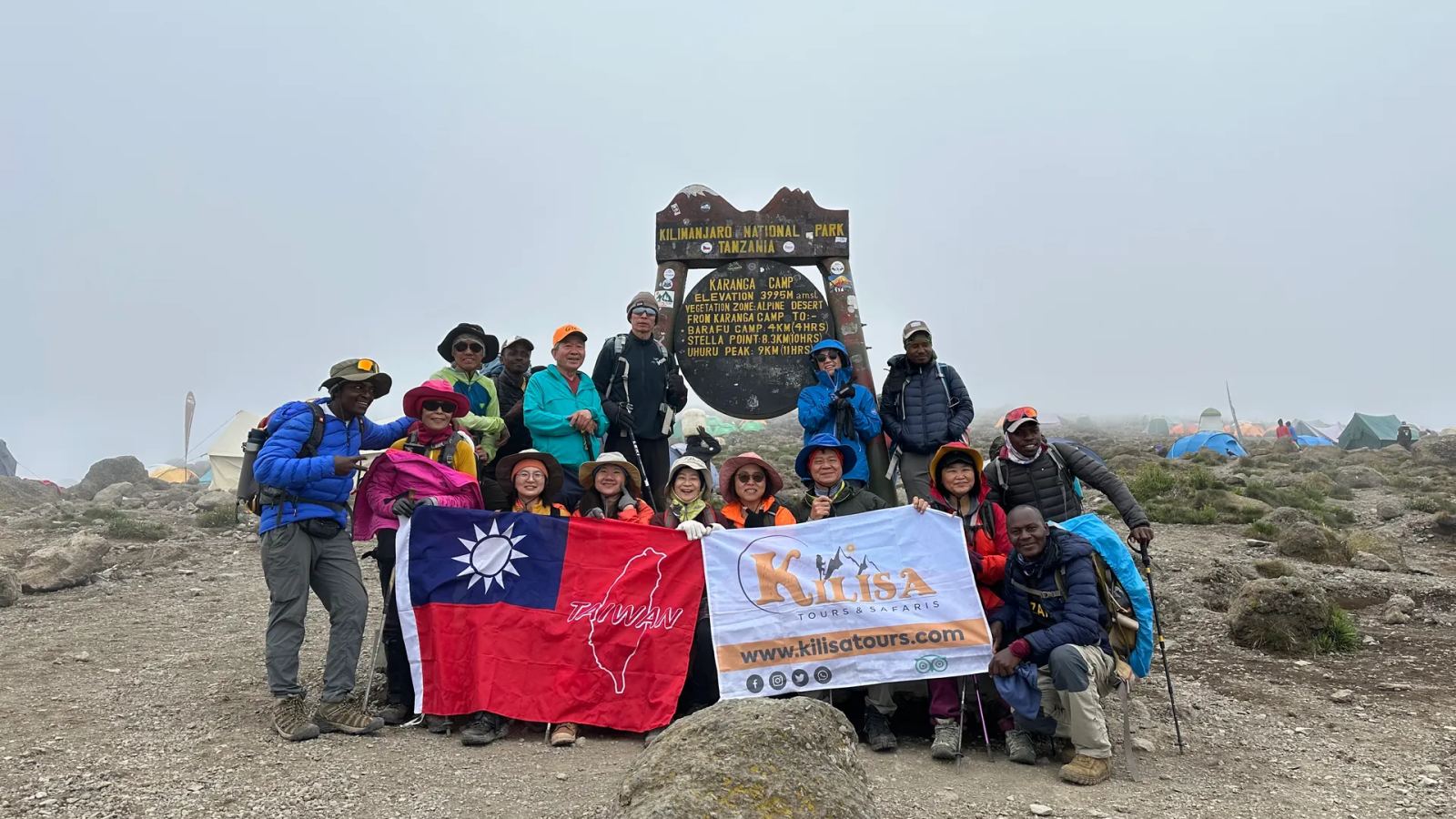
Why Acclimatization Matters on Kilimanjaro
Uhuru Peak stands at 5,895 meters (about 19,340 feet), where each breath contains roughly half the oxygen available at sea level. Most climbers go from the lowlands around Moshi to the summit in about a week. Acclimatization is the process of letting your body adapt to that rise, and it takes time. Fitness helps you walk, but it does not replace acclimatization: fit climbers can still struggle with altitude, while others adapt well.
How Your Body Responds to Increasing Altitude
As you climb, the air pressure drops and your body gets less oxygen with each breath. Over the first days, you will usually breathe faster, your heart rate rises, and your body gradually adjusts how it carries oxygen. This adaptation is slow, which is why pace matters. If you climb faster than your body adapts, you may develop symptoms of altitude sickness, such as headache, nausea, loss of appetite, dizziness and poor sleep. Mild symptoms are common and often settle with rest and slower pacing. Serious symptoms, such as confusion, loss of coordination or breathlessness at rest, are medical emergencies and require descent. Read our guide to preventing altitude sickness and our Kilimanjaro health and safety guide.
7 vs 8 Days Kilimanjaro: Which Routes Are We Comparing?
To keep the comparison fair, we compare the same route, the Lemosho Route, in two versions: the 7-day Lemosho itinerary and the 8-day Lemosho itinerary. Both start on the quiet western side of the mountain, cross the Shira Plateau, climb to the Lava Tower, scramble up the Barranco Wall and descend via the Mweka route.
Looking at the published schedules, the two itineraries share the same first four days. The difference comes on the fifth day. On the 7-day itinerary, you climb from Barranco through Karanga all the way to Barafu Camp in a single long day. On the 8-day itinerary, that long day is split in two, with a night at Karanga Camp before you continue to Barafu.
7 vs 8 Days Kilimanjaro Comparison Table
| Feature | 7-day Lemosho | 8-day Lemosho |
|---|---|---|
| Nights on the mountain | 6 | 7 |
| Overnight camps | Forest, Shira 1, Moir Hut, Barranco, Barafu, Mweka | Forest, Shira 1, Moir Hut, Barranco, Karanga, Barafu, Mweka |
| Day from Barranco | One long day to Barafu: about 9 km, 8 to 10 hours | Two shorter days: Karanga about 5 km, 4 to 5 hours, then Barafu about 4 km, 3 to 4 hours |
| Camp used before summit night | Barafu Camp | Barafu Camp |
| Hotel nights in Moshi | 2 (before and after) | 2 (before and after) |
| Published price, 1 to 2 climbers | $1,990 | $2,290 |
| Published price, 6 to 8 climbers | $1,750 | $2,000 |
| Group departure price (set dates) | $1,900 | $2,100 |
The prices are our published rates per person in US dollars, not confirmed quotations. Your final price depends on route, duration, group size and travel dates.

7-Day Lemosho Itinerary, Day by Day
Elevations on this page are published in feet, with approximate meters added for comparison.
- Arrival day: airport pickup, hotel in Moshi and guide briefing
- Day 1: Londorossi Gate (7,800 ft) and the Lemosho trailhead to Forest Camp (9,500 ft, about 2,900 m). About 6 km, 3 to 4 hours, through rainforest.
- Day 2: Forest Camp to Shira 1 Camp (11,500 ft, about 3,500 m). About 8 km, 5 to 6 hours, through moorland.
- Day 3: Shira 1 to Shira 2 and on to Moir Hut (13,800 ft, about 4,200 m). About 14 km, 5 to 7 hours. Walks on the Lent Hills nearby offer acclimatization.
- Day 4: Moir Hut to Lava Tower, then down to Barranco Camp (13,000 ft, about 3,950 m). About 7 km, 4 to 6 hours.
- Day 5: Barranco Camp over the Barranco Wall to Karanga, then up to Barafu Camp (15,000 ft, about 4,600 m). About 9 km, 8 to 10 hours.
- Day 6: summit attempt from Barafu (15,300 ft), starting between midnight and 2 am, to Uhuru Peak (19,345 ft, 5,895 m), then descent to Mweka Camp (10,000 ft, about 3,050 m). Roughly 7 to 8 hours up and 4 to 6 hours down.
- Day 7: Mweka Camp to Mweka Gate and Mweka Village (about 5,400 ft), then back to Moshi. About 3 to 4 hours of walking.
8-Day Lemosho Itinerary, Day by Day
Elevations on this page are published in meters, with approximate feet added for comparison.
- Arrival day: airport pickup, hotel in Moshi and guide briefing
- Day 1: Londorossi Gate and the Lemosho trailhead to Forest Camp (2,750 m, about 9,000 ft). About 6 km, 3 to 4 hours.
- Day 2: Forest Camp to Shira 1 Camp (3,540 m, about 11,600 ft). About 8 km, 5.5 hours.
- Day 3: Shira 1 to Shira 2 (3,840 m) and on to Moir Hut (4,114 m, about 13,500 ft). About 15 km, 5 to 7 hours.
- Day 4: Moir Hut to Lava Tower (4,600 m), then down to Barranco Camp (3,950 m, about 13,000 ft). About 7 km, about 7 hours.
- Day 5: Barranco Camp over the Barranco Wall to Karanga Camp (4,235 m, about 13,900 ft). About 5 km, 4 to 5 hours. A short day designed for acclimatization.
- Day 6: Karanga Camp to Barafu Camp (4,600 m, about 15,100 ft). About 4 km, 3 to 4 hours, with an early dinner and rest before the summit attempt.
- Day 7: summit attempt from Barafu to Uhuru Peak (5,895 m), then descent to Mweka Camp (3,100 m, about 10,200 ft). About 8 hours up and 7 to 8 hours down.
- Day 8: Mweka Camp to Mweka Gate (1,980 m) and Moshi. About 15 km, 3 hours of walking.
7 vs 8 Days Kilimanjaro: Daily Elevations, Distances and Camp Altitudes
| Stage | 7-day Lemosho | 8-day Lemosho |
|---|---|---|
| Day 1 | Forest Camp, 9,500 ft (about 2,900 m), 6 km | Forest Camp, 2,750 m (about 9,000 ft), 6 km |
| Day 2 | Shira 1, 11,500 ft (about 3,500 m), 8 km | Shira 1, 3,540 m (about 11,600 ft), 8 km |
| Day 3 | Moir Hut, 13,800 ft (about 4,200 m), 14 km | Moir Hut, 4,114 m (about 13,500 ft), about 15 km |
| Day 4 | Barranco, 13,000 ft (about 3,950 m), 7 km | Barranco, 3,950 m (about 13,000 ft), about 7 km |
| Day 5 | Barafu, 15,000 ft (about 4,600 m), 9 km, 8 to 10 hours | Karanga, 4,235 m (about 13,900 ft), about 5 km, 4 to 5 hours |
| Day 6 | Summit attempt: Uhuru Peak 5,895 m, then Mweka Camp, about 3,050 m (10,000 ft) | Barafu, 4,600 m (about 15,100 ft), about 4 km, 3 to 4 hours |
| Day 7 | Mweka Camp to Moshi, about 10 km | Summit attempt: Uhuru Peak 5,895 m, then Mweka Camp, 3,100 m |
| Day 8 | Not applicable | Mweka Camp to Mweka Gate, about 15 km |
A note on the numbers: published elevations, distances and hiking times for the same camp or day differ slightly between sources, and our two itinerary pages use different units, so treat all of them as approximate. They are accurate enough to show the pattern: both itineraries gain altitude at the same pace for the first four days, and the 8-day itinerary spreads the climb to Barafu over two days instead of one.
Climb High, Sleep Low on Both Itineraries
Both itineraries use the principle of “climb high, sleep low” on Day 4. You leave Moir Hut at about 4,114 meters (13,500 ft), climb to Lava Tower at about 4,600 meters (15,100 ft), then descend to sleep at Barranco, around 3,950 meters (13,000 ft). Exposure to higher altitude during the day, followed by a lower night, is widely used to help the body adjust. Day 3 also includes optional walks on the Lent Hills near Moir Hut. This pattern is the same on the 7-day and 8-day versions.
The Benefit of an Additional Acclimatization Day
The extra day on the 8-day itinerary is not a rest day with no climbing. It is a shorter, slower day: you cross the Barranco Wall to Karanga Camp, sleep there at about 4,235 meters, and move on to Barafu the next day. That has three practical effects:
- An extra night at altitude before Barafu: your body gets another night to adapt before summit night
- Shorter days: the 8 to 10 hour push from Barranco to Barafu is replaced by two shorter days of about 4 to 5 hours and 3 to 4 hours
- More recovery time: you reach Barafu after a 3 to 4 hour day, not an 8 to 10 hour one, so you have more time to eat, rest and sleep before summit night
Trekking Pace and Recovery Time on 7 vs 8 Days Kilimanjaro
On the 7-day itinerary, Day 5 is the demanding stretch: about 9 km and 8 to 10 hours, finishing at Barafu, followed by a short rest and a summit attempt that starts between midnight and 2 am. Climbers who are fit, well prepared and used to altitude often manage this well. Others find it tiring. On the 8-day itinerary, you arrive at Barafu after two shorter days and have more time to eat, rest and sleep before the summit attempt. Our guides adjust the pace to the group, which matters more than any itinerary.
How One Extra Day Affects Accommodation, Park Fees and Total Cost
An extra day adds a day of park conservation fees, a night of camping fees, more food and another day of crew wages. Your hotel nights stay the same, because both itineraries include 2 nights in Moshi. On our published prices, the 8-day costs:
- $300 more per person for 1 to 2 climbers ($2,290 vs $1,990)
- $300 more per person for 3 to 5 climbers ($2,190 vs $1,890)
- $250 more per person for 6 to 8 climbers ($2,000 vs $1,750)
- $200 more per person for 9 or more climbers ($1,900 vs $1,700)
The set-date group departures show a similar gap: $1,900 for the 7-day and $2,100 for the 8-day. You can check dates on our Join Groups page, and availability changes.
For park fees, charges a conservation fee for each day and a camping fee for each night. For context, the previous tariff, which ran until 30 June 2026, charged non-resident adults US$70 per day and US$50 per night for camping, so one extra day added about $120 before VAT. TANAPA publishes tariffs by period, so please check the current figures. Our guide to the Kilimanjaro climbing cost explains each part.
Why the Longer Itinerary May Offer More Acclimatization
When comparing 7 vs 8 days Kilimanjaro, the logic is simple: the same altitude gain spread over more days gives your body more time to adapt. In the 8-day version, the day to Karanga is short, you spend an extra night near 4,200 meters, and you reach Barafu fresher. That can improve your margin, especially if you tend to feel altitude, but it is not a promise. Some climbers do very well on 7 days, and some feel unwell on 8. Altitude affects each person differently, and it can vary even for the same person from one trip to another.
Summit Success and Altitude Sickness: Common Questions
Does the 8-day itinerary guarantee I will reach the summit?
No. No itinerary guarantees a summit. Success depends on your health, fitness, how your body acclimatizes, the weather and conditions on the mountain, and the decisions your guides make on the day.
Can I still get altitude sickness on 8 days?
Yes. A longer itinerary lowers the risk for many people, but it does not remove it. Drinking enough water, walking slowly, eating well and sleeping as well as you can all help, and you should tell your guide about any symptoms early.
What happens if I feel unwell?
Your guides check climbers regularly, and our itineraries include portable oxygen and a pulse oximeter. If symptoms are serious or get worse, descent is the most effective response, and your guides will decide when you should go down.
Should I take medication?
Some climbers use preventive medication for altitude. This is a decision for you and your doctor, so please speak to a doctor with travel or altitude experience well before your trip. See our immunization and medical kit guide and travel insurance guide, since your policy should cover trekking to 5,895 meters and emergency evacuation.
Choosing Between 7 vs 8 Days Kilimanjaro: Fitness, Experience and Available Time
- Choose 7 days if: you are in good shape, you have been at altitude before, you have limited time or a tighter budget, and you are comfortable with one long day before summit night
- Choose 8 days if: this is your first high-altitude trek, you want a gentler schedule before summit night, you know you tend to feel altitude, or you can spare the extra day and the additional cost
- Not sure? Tell us about your fitness, your altitude experience and your dates, and we will give you an honest recommendation
See also our guide to the best Kilimanjaro climbing route, and our packing advice in the Kilimanjaro packing list.

What Climbers Say
Guests share their experiences on TripAdvisor. A climber on the 7-day Lemosho route thanked the guides for their strategy on speed and rests and for regular health checks, and a first-time Kilimanjaro trekker on the 8-day Lemosho route praised the support throughout the trek.
Plan Your Lemosho Climb with Kilisa Tours & Safaris
Kilisa Tours & Safaris is a locally owned Tanzanian company based in Moshi, and we can help you decide on 7 vs 8 days Kilimanjaro based on your own situation. Browse all our Kilimanjaro climbing packages, or design your own tour, including a climb combined with a safari. Contact Kilisa Tours & Safaris today to plan your climb. For more advice, visit our blog.


