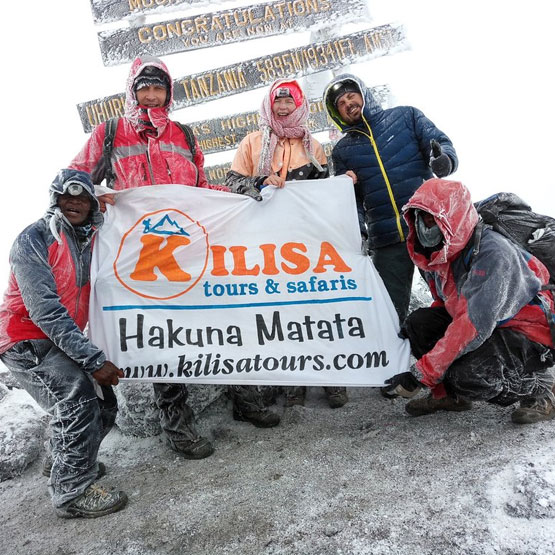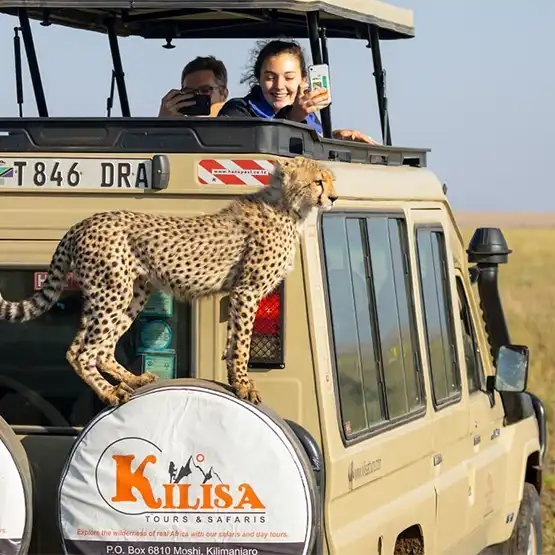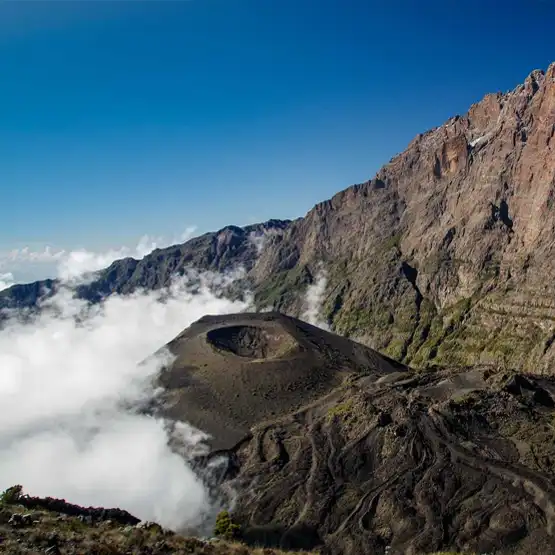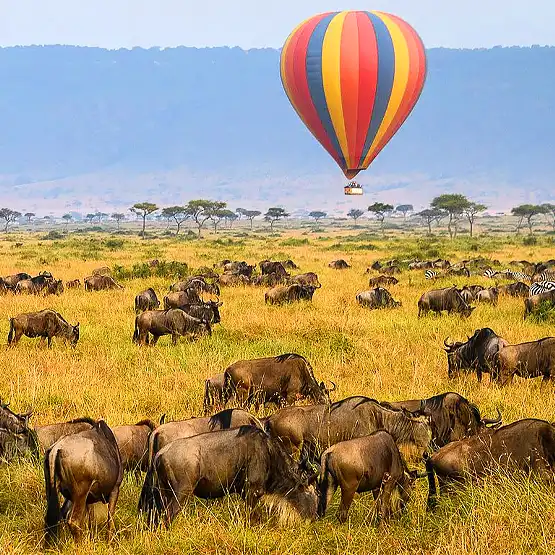
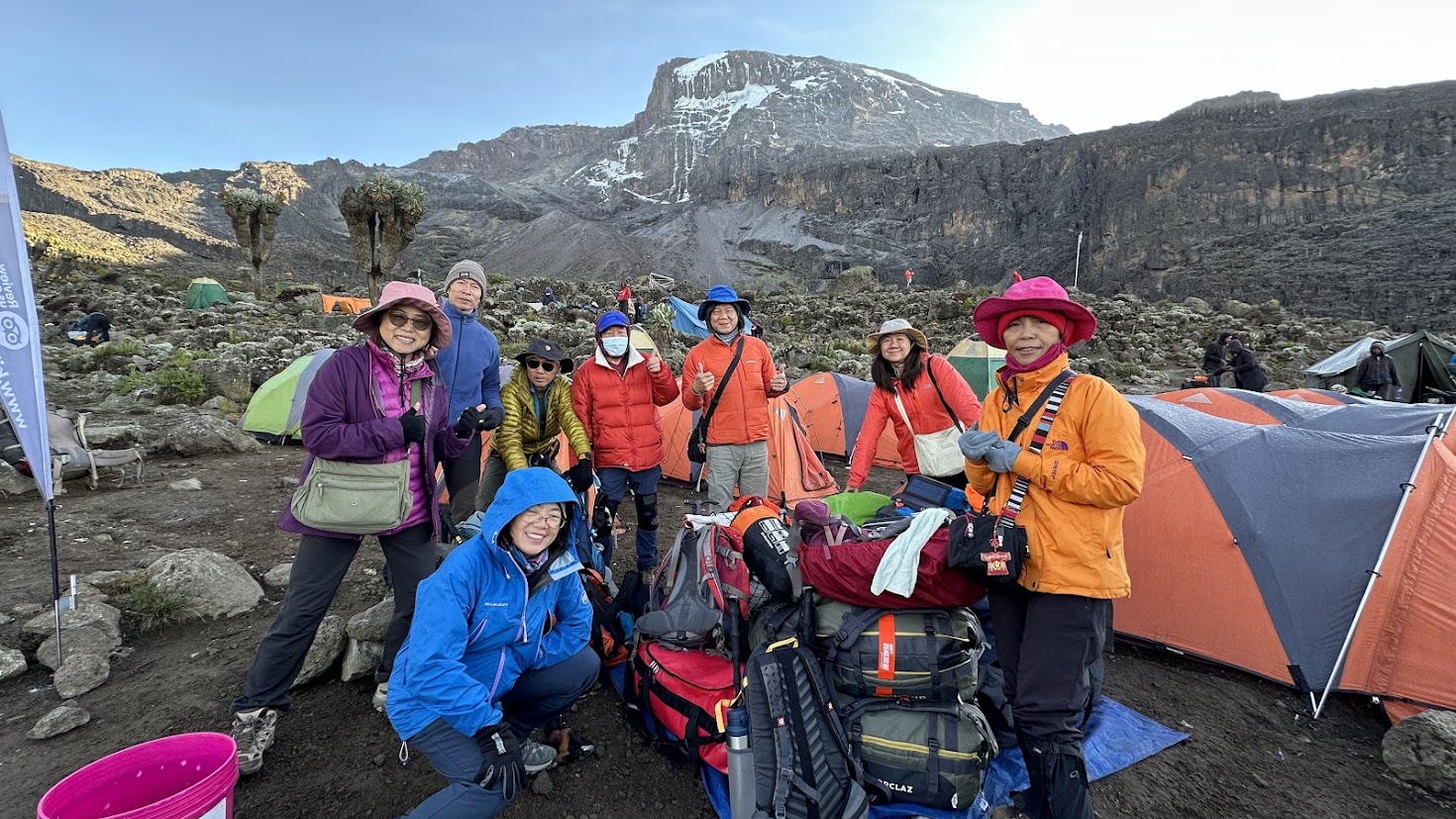
Summit Africa’s highest peak on a Kilimanjaro hike, then explore the Serengeti on a wildlife-packed tour. Discover why this combination is one of the greatest adventures in the world — and exactly how Kilisa Tours makes it happen.
 The answer is a resounding yes. In fact, a Kilimanjaro hike combined with a Serengeti tour is one of the most satisfying itineraries we build at Kilisa Tours and Safari. The contrast between the two experiences — the discipline and physical challenge of the mountain followed by the abundance and wonder of the plains — creates a journey that is greater than the sum of its parts. Moreover, Tanzania is uniquely positioned to deliver both in a single trip, with the logistics connecting them far more smoothly than most people expect.
This guide covers everything you need to know about planning a Kilimanjaro hike and Serengeti tour — from timing and fitness requirements to route choices, recovery time, and the specific itineraries we offer. By the end, you will have a clear picture of how this dream trip works in practice and how to make it perfect.
Why a Kilimanjaro Hike and Serengeti Tour Works So Well
At first glance, a Kilimanjaro climb and a Serengeti safari might seem like two very different kinds of trip. One is a physical endurance challenge; the other is a leisurely game-viewing experience. In practice, however, they complement each other beautifully — and the transition from one to the other is one of the most satisfying moments of any Tanzania adventure.
The Physical and Emotional Contrast
After several days of early starts, cold nights, thin air, and the mental demands of pushing toward a high-altitude summit, arriving at a luxury safari camp where someone brings you a cold drink and asks what time you would like your morning game drive is, frankly, one of the best feelings in travel. The contrast works in both directions, too. The mountain builds anticipation for the plains, and the knowledge that a safari awaits gives you an extra layer of motivation on the harder days of the climb.
Furthermore, the emotional arc of the combined trip is exceptional. You experience the profound solitude and challenge of Kilimanjaro — the world reduced to one foot in front of the other — and then descend to the extraordinary abundance of the Serengeti, where life feels loud and rich and colourful again. Guests consistently tell us that this contrast is what makes the combination so memorable.
Tanzania’s Geography Makes It Seamless
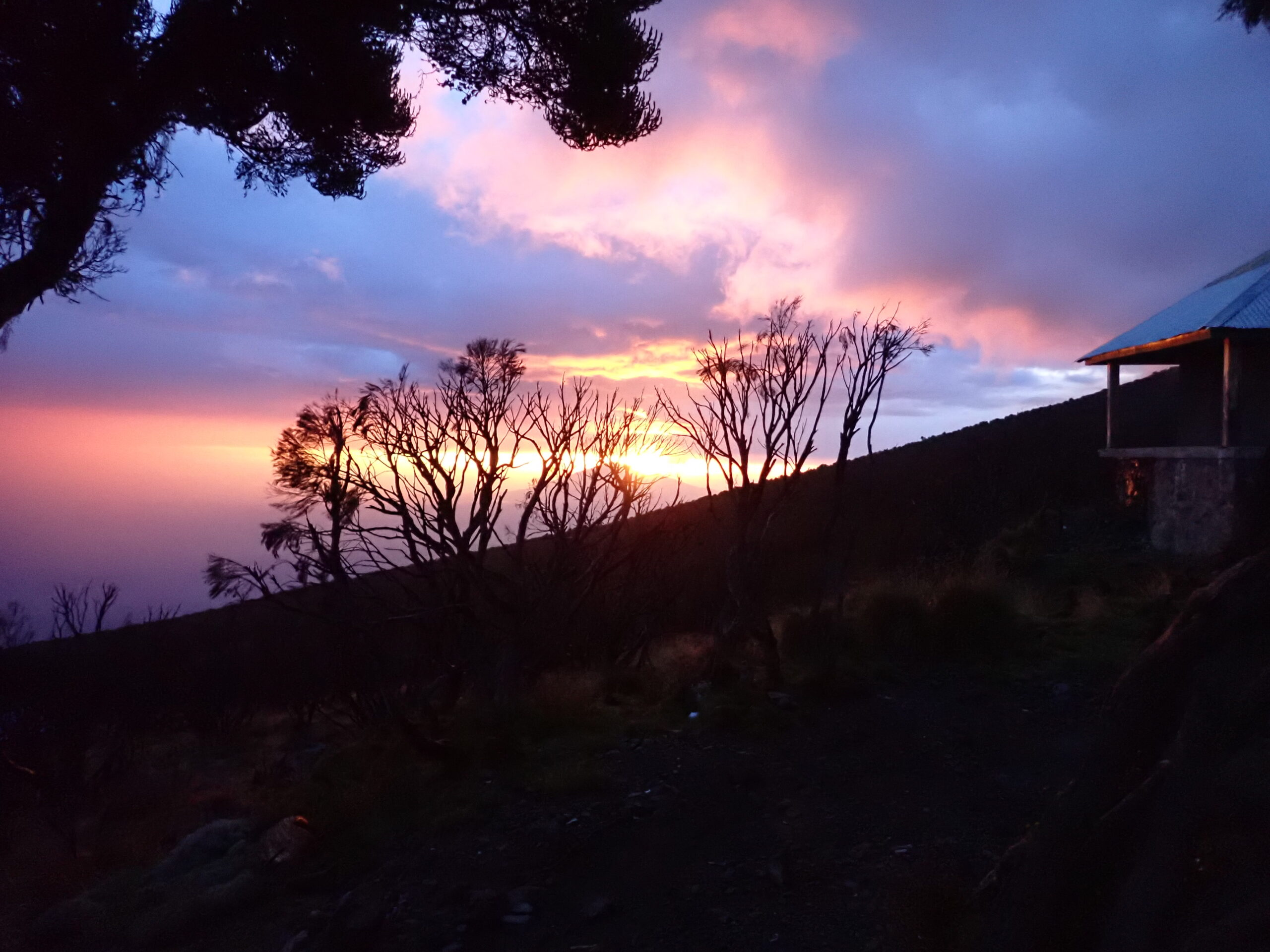
Kilimanjaro and the Serengeti are both in northern Tanzania, connected by excellent road and air links. Kilimanjaro International Airport (JRO) serves as the main gateway for both. As a result, you fly in once, experience both the mountain and the plains, and fly home from the same hub. There is no complicated multi-country logistics, no expensive connecting flights between countries, and no wasted travel days. The whole journey flows naturally within a single destination.
You Earn the Safari
There is something deeply satisfying about arriving at a Serengeti camp after the mountain. You have earned it. The comfort of a good bed, the pleasure of fine food, the joy of watching wildlife from a vehicle rather than walking — all of these feel richer for having been preceded by the physical discipline of Kilimanjaro. Many guests describe the safari portion of the combination trip as the most purely relaxed and joyful safari experience of their lives, precisely because of what came before it.
How Long Does a Kilimanjaro Hike and Serengeti Tour Take?
The total length of a Kilimanjaro and Serengeti combination trip depends on which Kilimanjaro route you choose and how many days you want on safari. As a general guide, here are the main options:
| Kilimanjaro Route | Climb Duration | + Safari Days | Total Trip Length |
|---|---|---|---|
| Marangu (6-day) | 6 days | 3–4 days | 10–11 days |
| Machame (7-day) | 7 days | 3–4 days | 11–12 days |
| Lemosho (8-day) | 8 days | 3–5 days | 12–14 days |
| Northern Circuit (9-day) | 9 days | 3–5 days | 13–15 days |
Most travellers opt for a ten or eleven-day total trip, which allows enough time for a quality climb on the Machame or Lemosho route plus three to four days of safari. If your schedule allows fourteen days, you have the luxury of a longer route, a proper recovery day after descent, and a fuller safari with multiple parks. In any case, we always recommend at least one night in Arusha or Moshi between descent from the mountain and the start of your safari — not just for rest, but for a proper shower, a real meal, and the mental transition from summit mode to safari mode.
Choosing Your Kilimanjaro Hike Route for the Serengeti Tour
The route you choose for your Kilimanjaro climb significantly affects the overall character of your combination trip. Here is our guide to the best routes for travellers combining the mountain with a safari.
Lemosho Route — Our Top Recommendation
The Lemosho Route is our strongest recommendation for most Kilimanjaro hike and Serengeti tour guests. It approaches from the west through pristine rainforest, offers outstanding scenery across multiple ecological zones, and has an excellent acclimatisation profile that gives your body the best chance of reaching the summit safely. Summit success rates on the Lemosho Route are among the highest on the mountain. For official park regulations on the Kilimanjaro hike, the Tanzania National Parks Authority (TANAPA) website provides up-to-date park fee and permit information.

The Lemosho also has another advantage specifically for combination trip guests: it descends via the Mweka Route, bringing you off the mountain on the southern side close to Moshi. This makes the transition to safari — whether by road to Arusha or by flight to the Serengeti — particularly smooth. Available itineraries include the 7-day, 8-day, 8-day crater, and 9-day crater Lemosho routes.
Machame Route — The Most Popular Choice
The Machame Route — known as the Whisky Route — is one of the most scenic on the mountain and the most popular with combination trip travellers. It combines dramatic terrain variety, good acclimatisation opportunities around the Lava Tower, and the same Mweka descent as the Lemosho. The seven-day Machame is the right choice for most travellers. However, the eight-day version adds a crucial acclimatisation day and meaningfully improves summit success rates.
Available options include the 6-day, 7-day, 8-day, and 8-day crater Machame routes, as well as a special New Year departure on the Machame.
Rongai Route — Quieter and Drier
The Rongai Route approaches from the north, near the Kenyan border. It is drier than the southern routes, quieter, and offers a completely different perspective on the mountain. For travellers who want a less-travelled path, Rongai is an excellent choice. It is available as a 6-day or 7-day itinerary, and we always recommend the longer option for combination trip guests.
Northern Circuit Route — Maximum Acclimatisation
The Northern Circuit Route is the longest route on Kilimanjaro and circles almost the entire northern face of the mountain. It offers the best acclimatisation profile of any route and the lowest crowd levels. For travellers with nine or ten days for the mountain portion, it is the safest choice and offers an extraordinary wilderness experience. Available as a 9-day or 10-day itinerary.
Marangu Route — The Classic Option
The Marangu Route — the Coca-Cola Route — is the only route with hut accommodation and offers a shorter overall programme. For combination trip guests who want to spend more days on safari than on the mountain, the 6-day Marangu is a practical choice. It is worth noting, however, that success rates on the shorter 5-day version are lower; we always recommend the 6-day for combination travellers.
Other Routes
For experienced trekkers and adventurous travellers, we also offer the Shira Route (7-day), the challenging Umbwe Route (6-day), and the technical Western Breach Route in 8-day and 11-day versions. These routes suit experienced high-altitude trekkers but are not our standard recommendation for first-time Kilimanjaro climbers.
The Safari: What to Do After Kilimanjaro
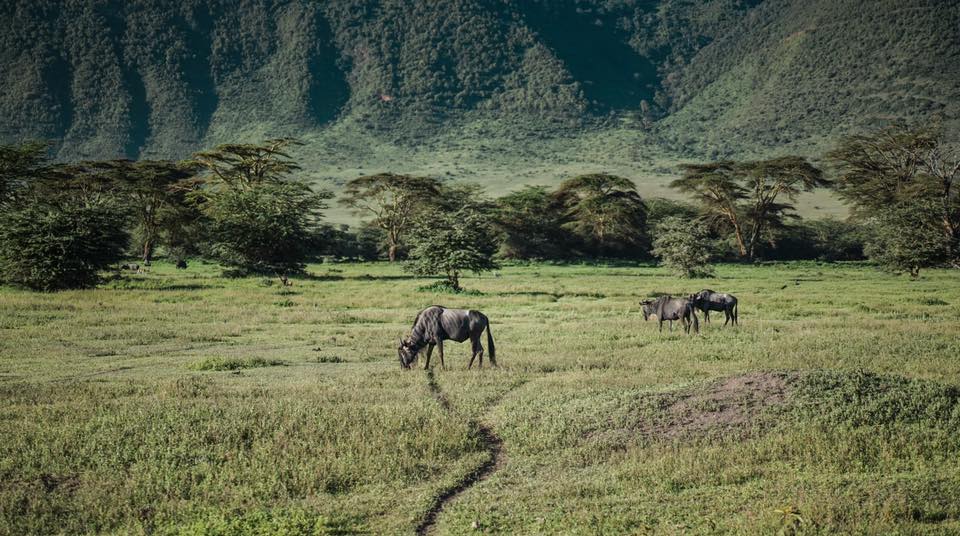
After descending from Kilimanjaro, you deserve a safari that feels like the perfect reward. The key is choosing the right parks and the right pace — enough wildlife drama to thrill, but with enough time for rest and recovery between game drives.
The Serengeti — The Natural Choice
The Serengeti is the natural complement to a Kilimanjaro hike. After the mountain’s monochrome austerity — grey rock, white snow, brown scree — the golden plains of the Serengeti feel almost overwhelmingly rich and alive. Two or three nights here, with morning and afternoon game drives, is the standard recommendation for Kilimanjaro hike and Serengeti tour guests. Additionally, the Serengeti’s wide-open terrain and flat roads make post-climb game drives comfortable even for tired legs.
 If you are travelling between July and October, position yourself in the northern Serengeti for the Mara River crossings of the Great Wildebeest Migration — one of the most dramatic wildlife spectacles on Earth. Our dedicated 7-day Mara River crossing safari and 6-day Northern Serengeti migration safari are built around exactly this. For more on Serengeti wildlife, the Serengeti National Park official site provides excellent background on the ecosystem.
Ngorongoro Crater — A Dramatic Addition
Adding a day or two at the Ngorongoro Crater after Kilimanjaro is highly recommended. The crater’s compact size and extraordinary wildlife density mean you can see lions, rhinos, hippos, flamingos, and elephants in a single day — a fantastic contrast to the wildlife-free silence of the mountain. A Ngorongoro Crater day tour suits guests with limited post-climb time, while an overnight on the rim allows two crater floor visits.
Tarangire National Park — Elephants and Baobabs
Tarangire is an excellent addition to any post-Kilimanjaro safari, particularly during the dry season when elephant herds gather in extraordinary numbers at the river. Furthermore, because Tarangire is close to Arusha — around two and a half hours by road — it suits post-climb guests who are transitioning back toward the airport. A Tarangire day tour works well as a gentle first safari day for climbers who are still recovering from the mountain.
Lake Manyara — A Peaceful Interlude
Lake Manyara is a smaller, quieter park that suits post-climb travellers who want wildlife encounters without a demanding game drive schedule. The famous tree-climbing lions, the flamingo flocks on the soda lake, and the lush groundwater forest create a beautiful and calming introduction to safari after the starkness of Kilimanjaro. A Lake Manyara day tour combines well with Tarangire as a gentle two-day safari opening.
Recovery: The Transition Day Between Mountain and Safari
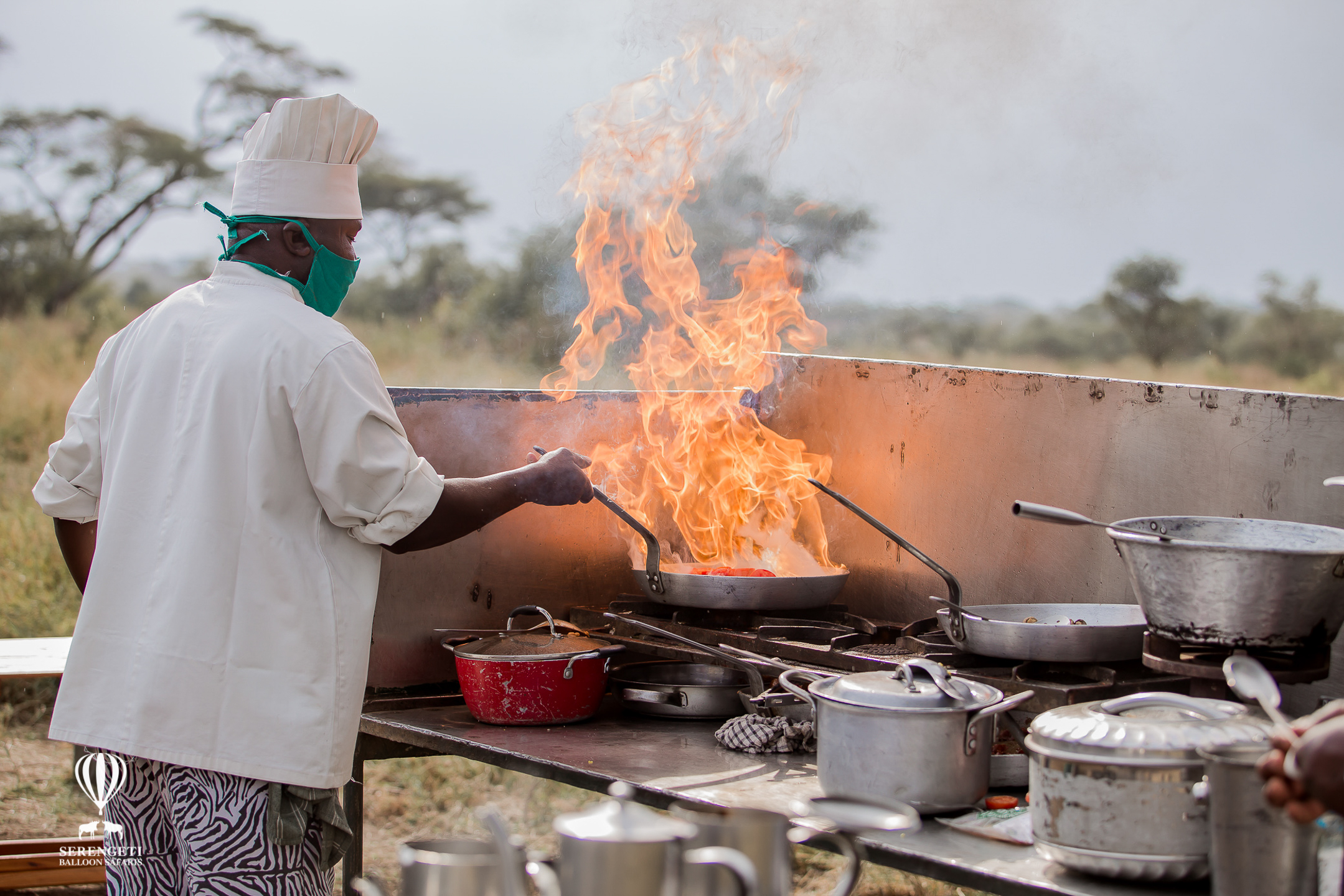
One of the most important — and most often underestimated — elements of a Kilimanjaro and Serengeti combination trip is the transition day between the mountain and the safari. We always recommend at least one full night in Arusha or Moshi between descent from Kilimanjaro and the first day of your safari.
Here is why. After six to nine days on the mountain, your body has been working at altitude with limited nutrition and sleep. Your legs are tired. You need a proper shower, a real meal, and a good night’s sleep in a comfortable bed. Launching directly into a safari from the descent gate is possible but rarely enjoyable. As a result, the transition night is not a luxury — it is an investment in the quality of your safari experience.
During the transition day, some guests also enjoy visiting the Chemka Hot Springs near Moshi — warm, clear natural pools surrounded by jungle that are extraordinarily soothing for post-climb legs and muscles. It is one of our favourite day trip recommendations for climbers in recovery mode. Others prefer simply resting at the hotel, eating well, and preparing mentally for the next phase of the adventure.
Fitness Requirements for Your Kilimanjaro Hike and Serengeti Tour
The honest answer is that you do not need to be an elite athlete to complete a Kilimanjaro hike and Serengeti tour. However, you do need to be reasonably fit and to approach your preparation seriously.
For the Kilimanjaro Hike
The Kilimanjaro hike is a high-altitude trek, not a technical climb. No ropes, harnesses, or prior mountaineering experience are required. What it demands is cardiovascular fitness, strong legs, mental resilience, and the willingness to move slowly and consistently for six to nine days. We recommend starting a training programme at least three months before your departure. Hiking with a loaded backpack, stair climbing, and cardiovascular training three to four times per week are the most effective preparation activities. For authoritative altitude acclimatisation guidance, the Altitude Research Centre offers detailed medical advice on high-altitude trekking. The more prepared you are physically, the more energy you have to enjoy the Kilimanjaro hike and Serengeti tour rather than simply endure the mountain portion.
For the Serengeti Tour After the Hike
The Serengeti tour itself requires no physical fitness beyond the ability to sit in a vehicle for three to four hours at a stretch. In fact, after the Kilimanjaro hike, most guests find the game drive pace extraordinarily restful. The one physical consideration is that your legs may be sore for the first day or two post-climb. This is entirely normal and does not affect the Serengeti tour experience in any meaningful way.
Age Considerations
Age is less of a limiting factor than general fitness. We have guided guests in their sixties and seventies to the Kilimanjaro summit successfully. Conversely, a twenty-five-year-old who has not trained adequately will struggle far more than a fit fifty-five-year-old who has prepared well. The key variable is always preparation, not age. Consult your doctor before booking if you have any underlying health conditions, and be honest with us about your fitness level so we can recommend the right route length for you.
Health Preparation for a Kilimanjaro Hike and Serengeti Tour
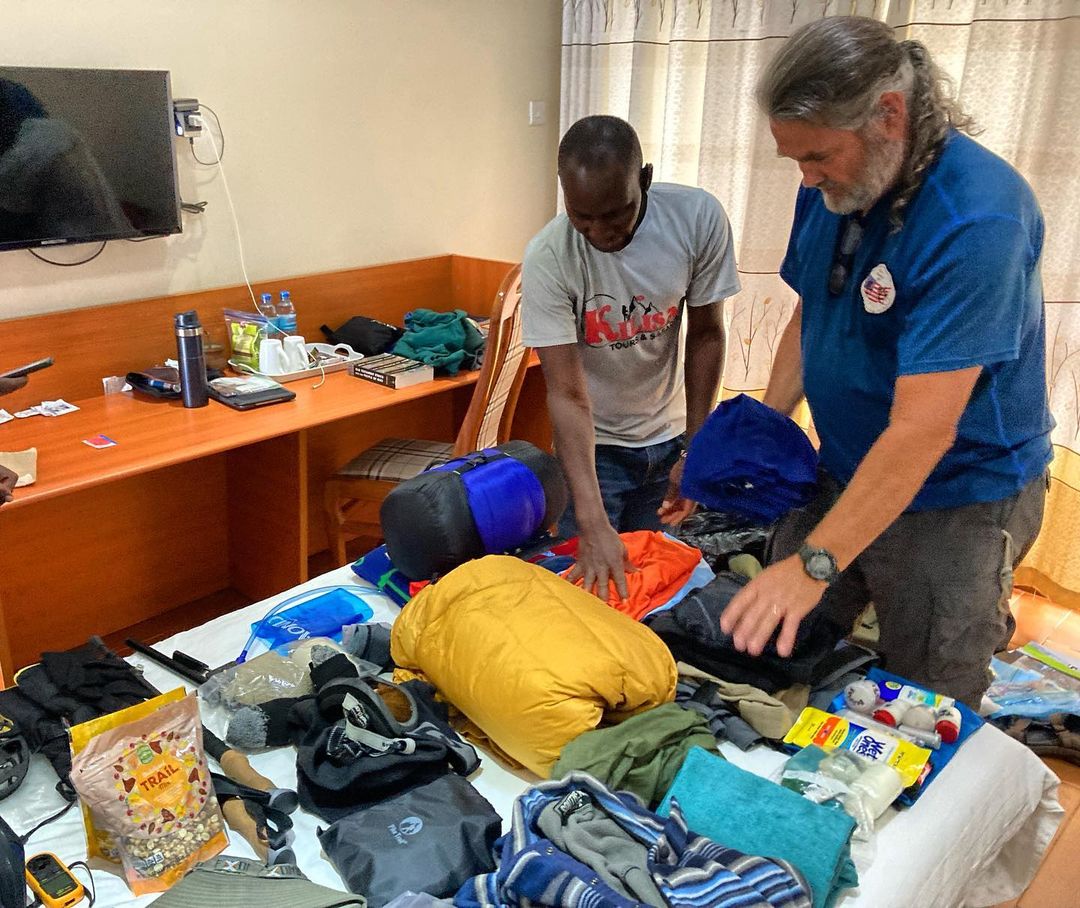
A Kilimanjaro and safari combination trip involves two different sets of health considerations that must both be planned for carefully.
Altitude Sickness
Altitude sickness is the primary health concern on Kilimanjaro. Choosing a longer route with more acclimatisation days significantly reduces the risk. Additionally, Diamox (acetazolamide) is a prescription medication that helps prevent and manage Acute Mountain Sickness symptoms — discuss it with your doctor before the trip. Our guides conduct twice-daily health checks on the mountain, including pulse oximetry readings, throughout the climb.
Malaria
The safari areas of Tanzania — Serengeti, Ngorongoro, Tarangire — carry malaria risk. Anti-malarial medication is therefore essential for the Serengeti tour portion of your trip. The high slopes of Kilimanjaro are above the malaria transmission altitude, but base camps and the Arusha/Moshi area are within the risk zone. Consequently, anti-malarials should be taken for your full time in Tanzania. The World Health Organization malaria fact sheet provides authoritative guidance on malaria prevention for travellers. See also our immunisation and medical kit guide for detailed health advice specific to Tanzania.
Travel Insurance
Comprehensive travel insurance is non-negotiable for a combination trip. Your policy must cover high-altitude trekking (up to 5,895 metres), emergency helicopter evacuation from the mountain, and medical evacuation from safari areas. Read the policy carefully before purchasing and confirm these specific activities are covered.
General Preparation
Visit a travel health clinic at least six weeks before departure. Cover vaccinations, malaria medication, and altitude sickness planning in the same appointment. Additionally, review our packing guide, safari equipment guide, and complete safari checklist for both mountain and safari packing requirements — they are quite different, and managing two gear lists in one trip requires planning.
Our Kilimanjaro Hike and Serengeti Tour Packages
At Kilisa Tours, we have designed a range of combination itineraries that pair a Kilimanjaro climb with a northern Tanzania safari. Each package includes full climbing support — experienced mountain guides, porters, all permits, and park fees — plus a private safari vehicle, expert game-viewing guide, premium or mid-range accommodation, and all meals throughout.
The following are our ready-made combination packages. However, we can build any custom combination around your preferred route, duration, and safari destinations. Our tailor-made tour service handles exactly this.
Ready-Made Combination Packages

- 10-Day Kilimanjaro Combine Tour — climb plus northern circuit safari
- 11-Day Kilimanjaro Combine Tour — extended climb plus safari
- 10-Day Kilimanjaro Climb and Safari
- 11-Day Kilimanjaro Climb and Safari
Additionally, explore our full Tanzania combine safari overview for more combination options.
Luxury Safari Options to Pair with Your Climb
If you would like to upgrade the safari portion to a fully luxury experience — private tented camps, all-inclusive meals and drinks, exclusive concession access — the following packages work seamlessly as post-climb additions:
- 3-Day Luxury Serengeti Safari
- 3-Day Luxury Safari — Serengeti and Ngorongoro
- 4-Day Luxury Safari — Serengeti and Ngorongoro
- 4-Day Luxury Safari — Tarangire, Serengeti, and Ngorongoro
- 5-Day Luxury Safari — Serengeti, Ngorongoro, and Tarangire
Mid-Range Safari Options to Pair with Your Climb
- 3-Day Mid-Range Serengeti Safari
- 3-Day Mid-Range Safari — Serengeti and Ngorongoro
- 4-Day Mid-Range Safari — Tarangire, Serengeti, and Ngorongoro
- 5-Day Mid-Range Safari — Tarangire, Serengeti, and Ngorongoro
Budget Camping Safari Options to Pair with Your Climb
Adding Mount Meru: The Triple Adventure
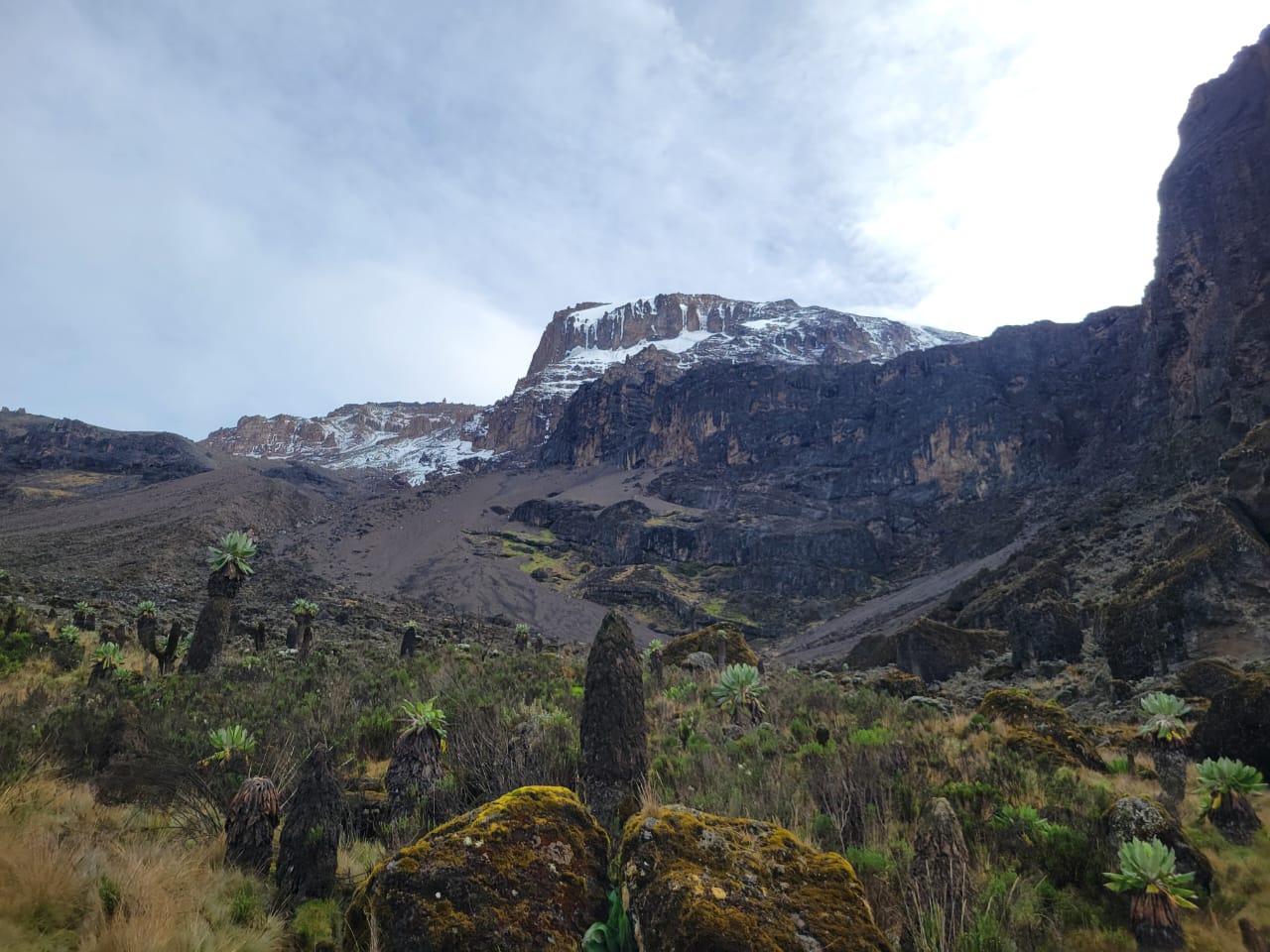
For truly adventurous travellers, some guests choose to climb Mount Meru before tackling Kilimanjaro. At 4,566 metres, Meru is East Africa’s second highest peak — a spectacular mountain in its own right, with wildlife on the slopes including giraffe, buffalo, and colobus monkeys. Furthermore, Meru serves as an outstanding acclimatisation climb before Kilimanjaro, giving your body a crucial four days of altitude adaptation before the main event. Available as a 3-day or 4-day climb, Meru adds three to four days to the start of your itinerary and meaningfully improves your Kilimanjaro summit odds.
For an even more adventurous extension, some guests also include Mount Oldoinyo Lengai — the world’s only active carbonatite volcano and a sacred Maasai mountain — on a 3-day trek or 7-day climbing itinerary. Combined with a safari and Kilimanjaro, this creates one of the most remarkable adventure itineraries in East Africa.
When to Go: Timing Your Kilimanjaro Hike and Serengeti Tour
Both Kilimanjaro and the Serengeti have distinct seasonal windows. The good news is that their best seasons overlap conveniently, making it straightforward to plan a combination trip that enjoys excellent conditions on both the mountain and the plains.
January and February — Excellent for Both
January and February offer outstanding conditions on Kilimanjaro — clear skies, dry trails, and good summit visibility. Simultaneously, the southern Serengeti is experiencing the extraordinary calving season, with thousands of wildebeest calves born daily and intense predator activity as a result. This is a superb combination window. Camps are quieter than peak season, and the calving drama is, in our view, one of the most emotionally powerful wildlife experiences in Tanzania. See our 4-day and 5-day calving season safari options.
June to October — Peak Season for Both
This is Tanzania’s prime travel window — excellent Kilimanjaro conditions and the best game-viewing of the year on the Serengeti, with the Mara River crossings between July and October. However, this is also the busiest period. Book well in advance. Our 7-day Mara River crossing safari and 6-day Northern Serengeti migration safari are perfect post-climb options during this window.
December — Festive and Rewarding
Late December is a popular and rewarding time for the combination trip. The short rains ease by mid-December, and conditions on the mountain improve significantly from around the 15th. The landscape is lush and beautiful on the safari. For those with a sense of romance about the calendar, our dedicated New Year Machame Route departure offers the extraordinary experience of summiting Kilimanjaro as the year turns.
For a full month-by-month guide to Tanzania’s seasons, see our best time to go on safari page.
Frequently Asked Questions
Should I climb Kilimanjaro before or after the safari?
Always climb first, safari after. This is the near-universal recommendation from experienced operators and for good reason. Kilimanjaro is physically demanding. You want to arrive at the mountain fresh, not already tired from days of game drives and travel. Additionally, the safari functions as the perfect reward and recovery activity after the climb — leisurely game drives are exactly what tired legs and a satisfied mind need. Reversing the order almost always leads to a less enjoyable mountain experience.
How long should I rest between the descent and the safari?
We recommend one full night — ideally two nights — between descending from Kilimanjaro and starting your safari. This gives you time to shower properly, eat well, sleep in a real bed, and let your body begin recovering before the first game drive. Many guests who skip the transition night wish they had included it.
Do I need prior mountaineering experience?
No. Kilimanjaro is a high-altitude trek, not a technical climb. There are no ropes, no glacier crossings, and no rock faces requiring climbing skills. You need cardiovascular fitness, properly broken-in hiking boots, good layering gear, and a willingness to move slowly and steadily. See our equipment guide and packing guide for the full gear list.
Will I be too tired to enjoy the safari after Kilimanjaro?
This is the most common concern — and the most reliably disproved. After a transition night or two, the great majority of guests find the safari extraordinarily enjoyable precisely because they are resting in a vehicle, eating well, and absorbing wildlife at a relaxed pace. The post-climb safari is, consistently, described by guests as the most joyful and carefree part of the entire trip.
Can I join a group for the combination trip?
Yes. We offer scheduled group departures on our most popular Kilimanjaro routes, which suit solo travellers and couples who want to share the experience and the cost. Check our group departure dates for upcoming scheduled climbs. The safari portion can be arranged as either a group or private experience depending on your preference.
What is included in the combination package price?
Our combination packages include all Kilimanjaro-related costs — guide fees, porter fees, park entry permits, camping fees, accommodation on the mountain — plus the full safari package including private vehicle, private guide, accommodation, all meals, and park entry fees. International flights, travel insurance, tips, and personal spending are not included. See our safari FAQ for a full breakdown of inclusions and exclusions.
Why Book Your Kilimanjaro Hike and Serengeti Tour with Kilisa Tours?
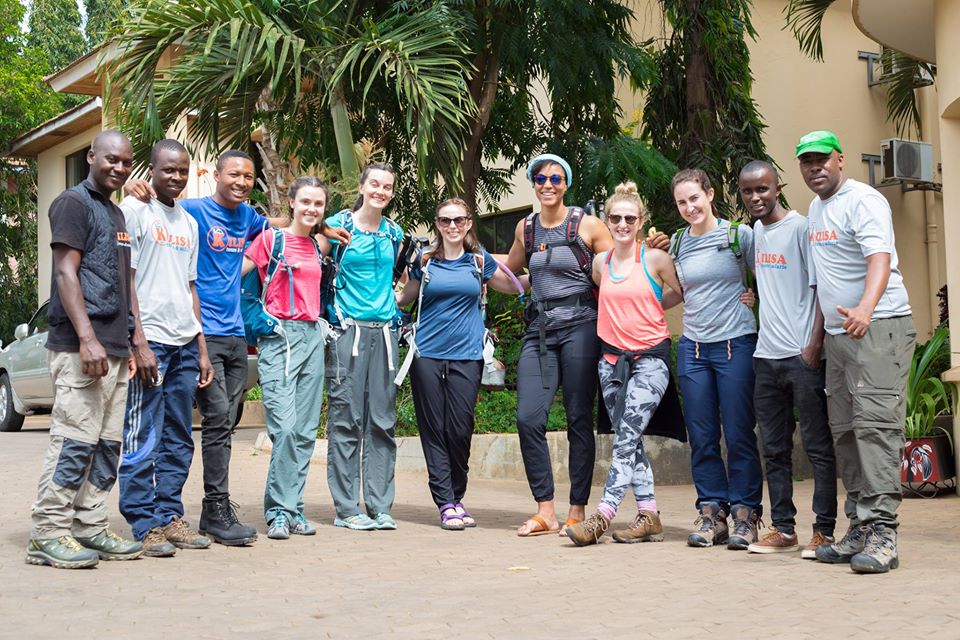
We are a Tanzania-based company. Our mountain guides live at the base of Kilimanjaro. Our safari guides know the Serengeti in every season. Between them, they carry decades of experience guiding clients through exactly this Kilimanjaro hike and Serengeti tour combination — and their combined knowledge is what ensures your trip runs smoothly from the first day on the mountain to the last game drive on the plains.
We handle every detail of both the mountain and the safari as a single integrated journey. There is no handoff between operators, no confusion about logistics, and no gaps in communication. From the moment you book to the moment you fly home, you have one point of contact who knows your full itinerary and is responsible for making it exceptional.
The Kilimanjaro and Serengeti combination is the ultimate Tanzania adventure. It demands something of you — and gives back even more. Let us help you plan it properly.
Contact Kilisa Tours today and let’s start building your Kilimanjaro and Serengeti adventure.