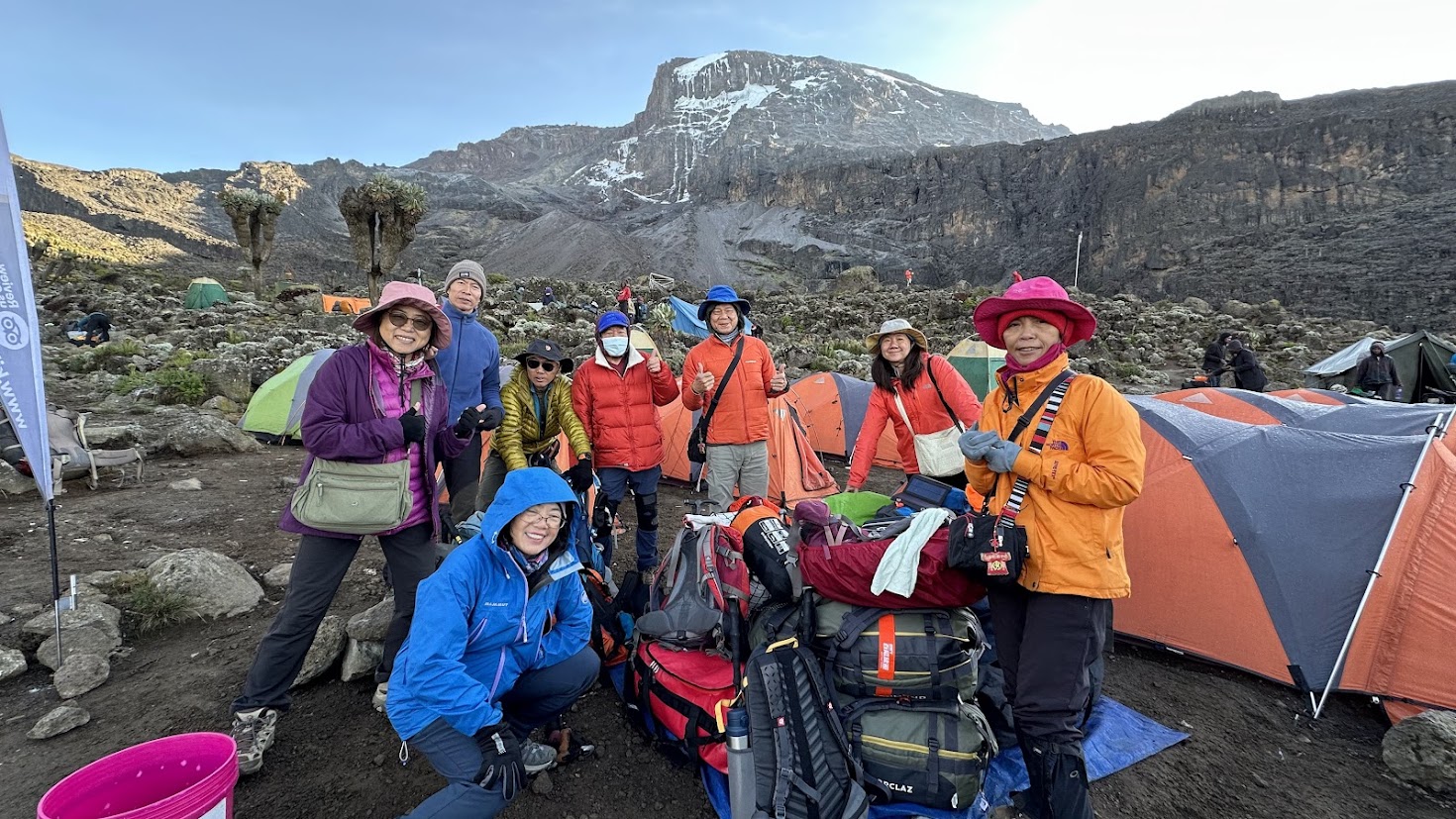
 Avoid the heavy rains and align your trip with peak wildlife viewing. Your seasonal weather guide to planning a Tanzanian adventure.
Understanding Tanzania’s Seasons
Tanzania has two main rainy seasons and two dry seasons. Understanding these four windows is the foundation of any good trip plan.
The Long Rains (March – May)
Known locally as Masika, the long rains bring heavy, sometimes persistent rainfall across much of the country. The landscape turns intensely green, birdlife peaks, and crowds thin out considerably. While some roads in remote parks can become difficult, this is actually a wonderful time for photography — the light is dramatic and the scenery lush.
Best for: Budget travellers, birdwatching, photography, and anyone who prefers solitude over crowds.
Not ideal for: Climbing Kilimanjaro or visiting parks with unpaved roads.
The Short Rains (November – December)
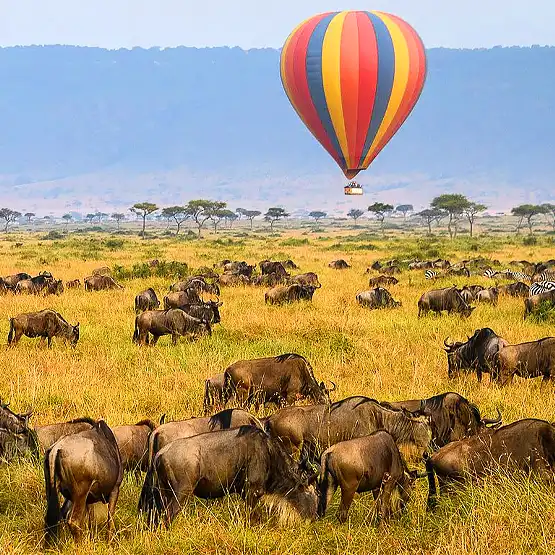
Called Vuli, the short rains are lighter and more predictable than the long rains. Showers typically fall in the late afternoon, leaving mornings clear and fresh. The parks are uncrowded, prices are lower, and the short rains coincide with the calving season of the Great Wildebeest Migration — one of nature’s most moving spectacles.
Best for: Calving season safaris, budget-conscious travellers, and a quieter Serengeti experience.
Not ideal for: Those set on the famous Mara River crossing.
The Cool Dry Season (June – October) — Peak Safari Season
This is Tanzania’s golden window. Dry conditions keep vegetation low, making wildlife easier to spot. Temperatures are pleasant — warm by day, cool in the evenings — and the famous Wildebeest Migration reaches its dramatic climax at the Mara River between July and October. The Ngorongoro Crater is at its most accessible, and all major parks are open and rewarding.
Best for: Wildlife safaris, the Mara River crossing, Kilimanjaro climbing, and family travel.
Not ideal for: Avoiding crowds — this is peak season, so booking early is essential.
The Hot Dry Season (January – February)
January and February are warm, largely dry, and excellent for safari. This is when the southern Serengeti comes alive with the calving season — thousands of wildebeest calves are born in a matter of weeks, attracting predators in dramatic numbers. It’s one of the most underrated travel windows in the whole of East Africa.
Best for: Calving season migration, fewer crowds than peak season, and excellent game viewing in Tarangire.
Best Time for a Kilimanjaro Trek
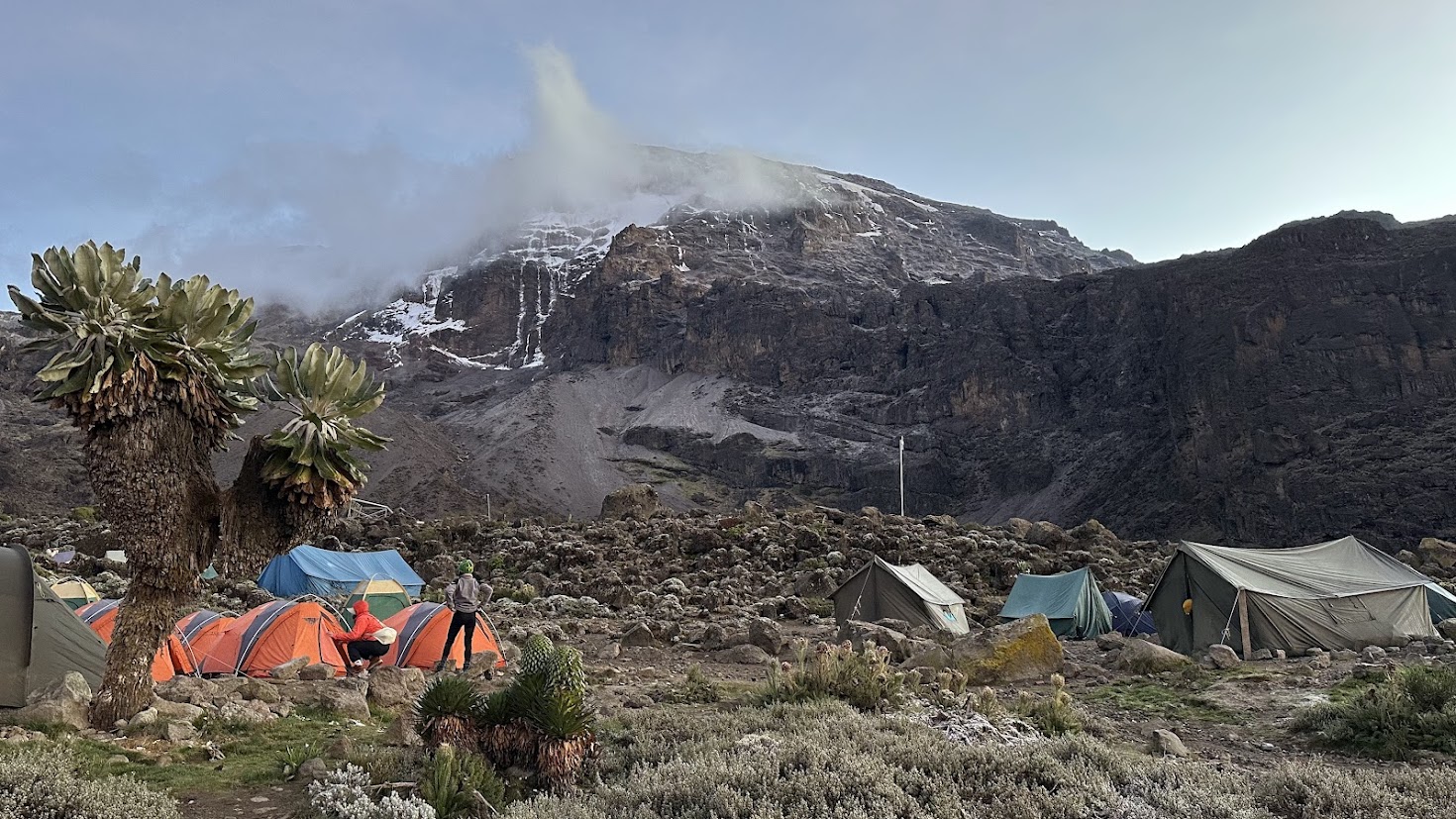
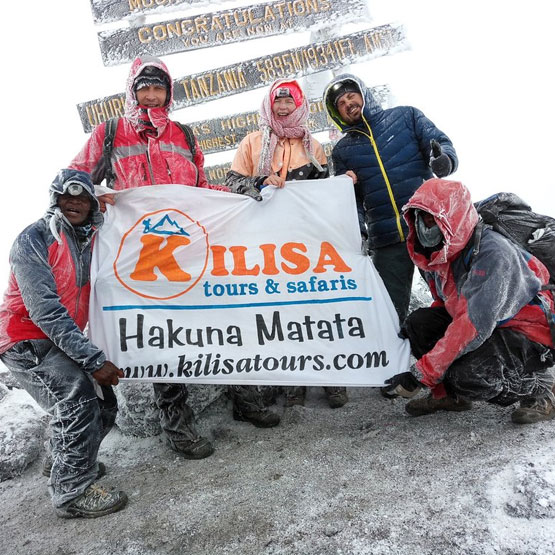
If climbing Kilimanjaro is on your bucket list, the two best climbing windows are January–February and June–October. During these months, skies are clearer, precipitation is lower, and summit success rates are at their highest.
We’d generally steer you away from March, April, and May, when the long rains can make the upper mountain cold, icy, and visibility-poor. That said, Kilimanjaro is climbable year-round — it simply requires a trusted team to prepare you well.
Our most popular routes include the scenic Machame Route, the classic Marangu Route, and the quieter Lemosho Route — each with different itinerary lengths to suit your pace and acclimatisation needs. We also offer Rongai, Northern Circuit, Umbwe, and Western Breach routes for those looking for something different.
Want to combine a summit bid with a safari? We’ve designed 11-day and 10-day combination tours that take you from the summit of Africa to the plains of the Serengeti in one seamless journey.
Best Time for a Tanzania Safari
The short answer is: June through October for classic big game, and January through February for the calving migration. But honestly, Tanzania rewards visitors year-round, and the right safari for you depends on what you want to see.
Following the Great Wildebeest Migration
The Wildebeest Migration is a year-round cycle, but certain moments are especially spectacular:
- January – March: Calving season in the southern Serengeti. See our 4-day and 5-day calving season safaris.
- July – October: The famous Mara River crossings in the northern Serengeti. Explore our 7-day Mara River crossing safari or 6-day Northern Serengeti migration tour.
Budget Safari Options
A Tanzania safari doesn’t have to stretch your budget. We offer well-crafted budget camping safaris ranging from a quick 2-day Tarangire and Ngorongoro trip to a comprehensive 7-day adventure through Lake Natron, Serengeti, Ngorongoro, and Tarangire.
Mid-Range Safari Options
For travellers who want reliable comfort without the top-end price tag, our mid-range safaris are extremely popular. Try the 5-day Tarangire, Serengeti, and Ngorongoro circuit or our 7-day route including Lake Natron.
Luxury Safari Options
If you’re looking to experience Tanzania in absolute style — private camps, fine food in the bush, and expert guides — our Tanzania luxury safari collection has you covered. Highlights include the 6-day Manyara, Serengeti, Ngorongoro, and Tarangire luxury journey and the 7-day luxury tour taking in Lake Natron.
Best Time to Visit Tanzania’s Other Gems
Tanzania is more than the Serengeti and Kilimanjaro. Depending on your interests, here are some other destinations worth planning around:
- Tarangire National Park: At its best from June to October, when elephants gather in remarkable numbers around the Tarangire River. A Tarangire day tour is a perfect introduction.
- Ngorongoro Crater: Excellent year-round. Avoid the very heaviest rains of April and May if you want to access the crater floor easily. A Ngorongoro day tour is a great option.
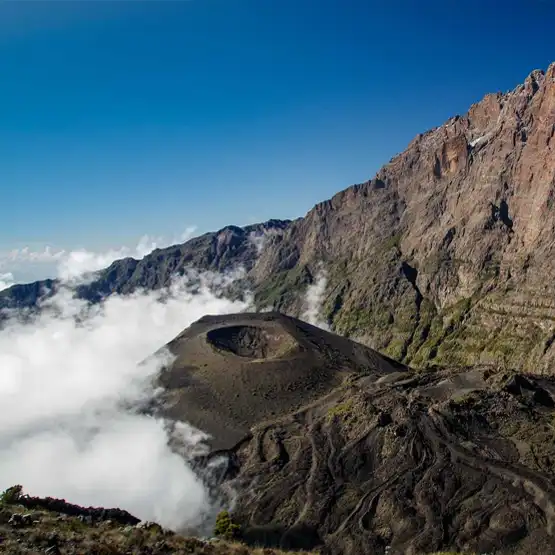
- Arusha National Park: A hidden gem right on the doorstep of Arusha city. The Arusha National Park day tour is ideal year-round, especially for first-timers.
- Ruaha National Park and Selous Game Reserve: Best visited during the dry season (June–October) for maximum wildlife concentration.
- Mount Meru: A spectacular climb best undertaken between June and February. A wonderful warm-up for Kilimanjaro and spectacular in its own right.
- Lake Natron & Eyasi: Great for off-the-beaten-path adventures. Explore options like the 5-day Lake Natron, Lake Eyasi, and Ngorongoro Crater tour.
A Quick Reference: Month-by-Month Snapshot
| Month | Season | Wildlife Highlights | Kilimanjaro |
|---|---|---|---|
| January | Hot dry | Calving season begins, Tarangire elephants | Excellent |
| February | Hot dry | Peak calving season | Excellent |
| March | Long rains begin | Birdwatching, lush scenery | Avoid if possible |
| April | Long rains (heavy) | Low crowds, green parks | Not recommended |
| May | Long rains tapering | Budget deals, solitude | Not recommended |
| June | Cool dry begins | Migration moving north | Good |
| July | Cool dry (peak) | Mara River crossings begin | Excellent |
| August | Cool dry (peak) | River crossings at height | Excellent |
| September | Cool dry (peak) | River crossings continue | Excellent |
| October | Cool dry ends | Migration moves south, Ngorongoro great | Good |
| November | Short rains | Birdwatching, low crowds | Possible |
| December | Short rains | Festive atmosphere, newborns | Good (early December) |
Practical Tips for Timing Your Trip
- Book early for peak season. June to October is very popular. The best camps and vehicles get reserved months in advance. Check our group departure dates or enquire about a tailor-made private safari.
- Know what to pack. Morning and evening game drives can be surprisingly cool even in the dry season. Our packing guide and complete safari checklist will save you any last-minute stress.
- Sort your health prep early. Visit your GP or travel clinic at least six weeks before departure. Our immunisation and medical kit guide covers what you’ll need.
- Get travel insurance. We always recommend comprehensive travel insurance that covers emergency evacuation, especially for Kilimanjaro climbers.
- Ask about the best time for your specific interests. Our team knows these parks intimately. Get in touch with us and we’ll help you pinpoint the best window for what you want to experience.
Why Plan Your Tanzania Trip with Kilisa Tours?
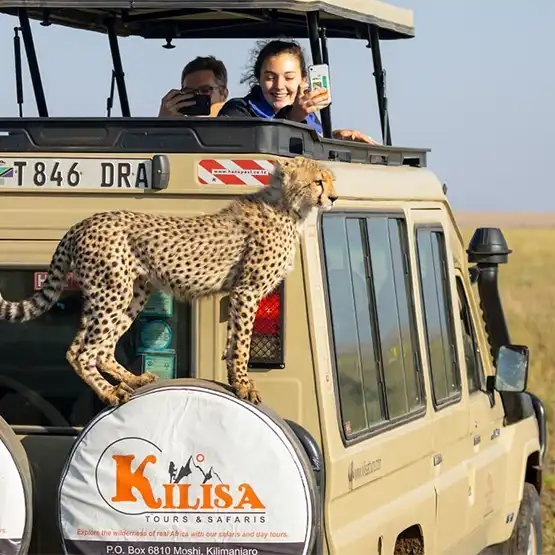
We’re a Tanzania-based company, which means we’re not selling Tanzania from a brochure — we live here, we drive these roads, and we know what a morning game drive looks like in the northern Serengeti in August versus February. Our expert driver-guides are passionate naturalists and storytellers who bring the bush to life.
Whether you want a budget camping safari, a luxury lodge journey, an 11-day Kilimanjaro and safari combination, or a cultural immersion tour — we’ll build it around you, your dates, and your budget.
Tanzania is calling. The only question is — which season will you answer it in?
Talk to our team today and start planning your Tanzania adventure.