Explore the unique ecosystem of the world’s largest intact volcanic caldera — and discover why Ngorongoro offers some of the densest wildlife viewing found anywhere in Africa.
Yet despite its global fame, Ngorongoro remains one of the most misunderstood destinations in Tanzania. Some travellers treat it as a tick-box addition to a Serengeti itinerary — a half-day stop before moving on. That, we would gently suggest, is a mistake. Ngorongoro deserves to be understood on its own terms, and once you understand what makes it so singular, you will want to give it the time it deserves.
At Kilisa Tours and Safari, Ngorongoro is one of the destinations we are most passionate about sharing with our guests. Here are five reasons it belongs — without question — on your Tanzania itinerary.
Reason 1: It Is a Self-Contained Wildlife Universe Unlike Anywhere Else on Earth
The Ngorongoro Crater is not simply a park within a park. It is a world unto itself.
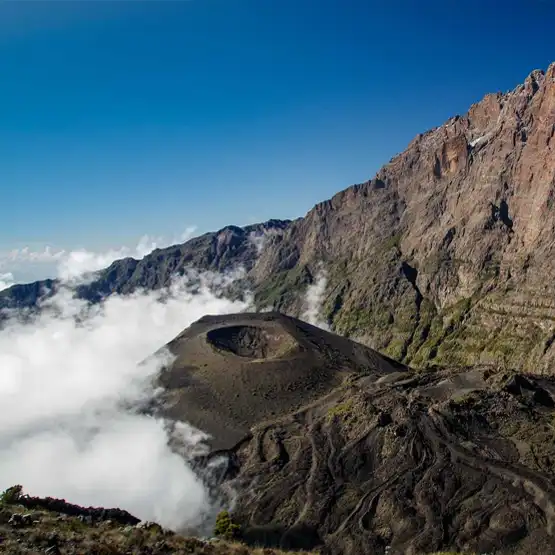
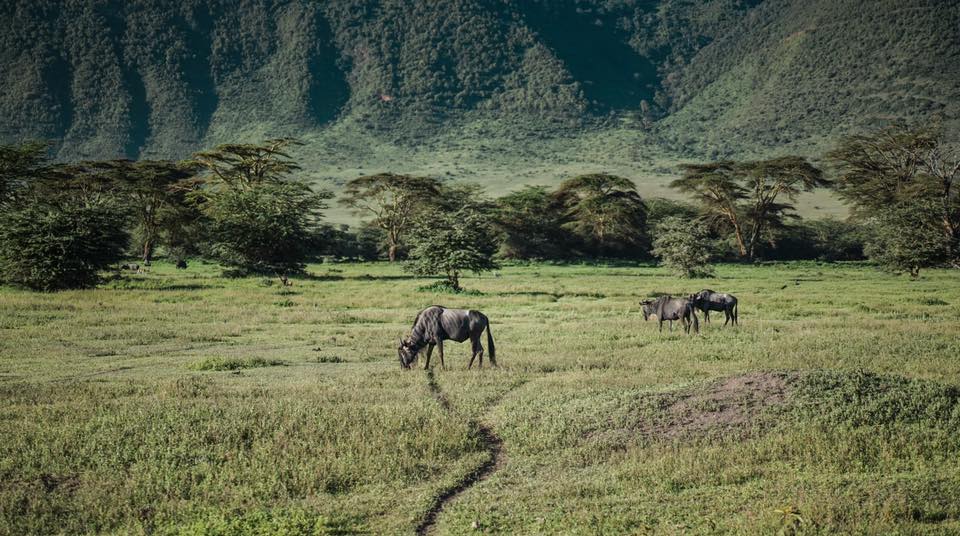
Formed roughly two to three million years ago when a massive volcano collapsed inward, the caldera now measures approximately 260 square kilometres on its floor and sits between 600 and 800 metres below the rim. The walls of the crater are high enough and steep enough that the wildlife living inside — around 25,000 to 30,000 large animals — are effectively resident year-round. They do not need to migrate because the crater provides everything they need: fresh water from the Makat soda lake and seasonal streams, year-round grazing from its varied grassland habitats, and natural shelter from the crater walls themselves.
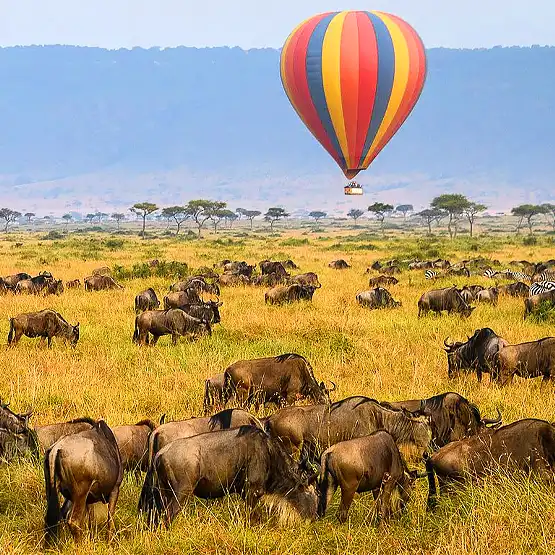
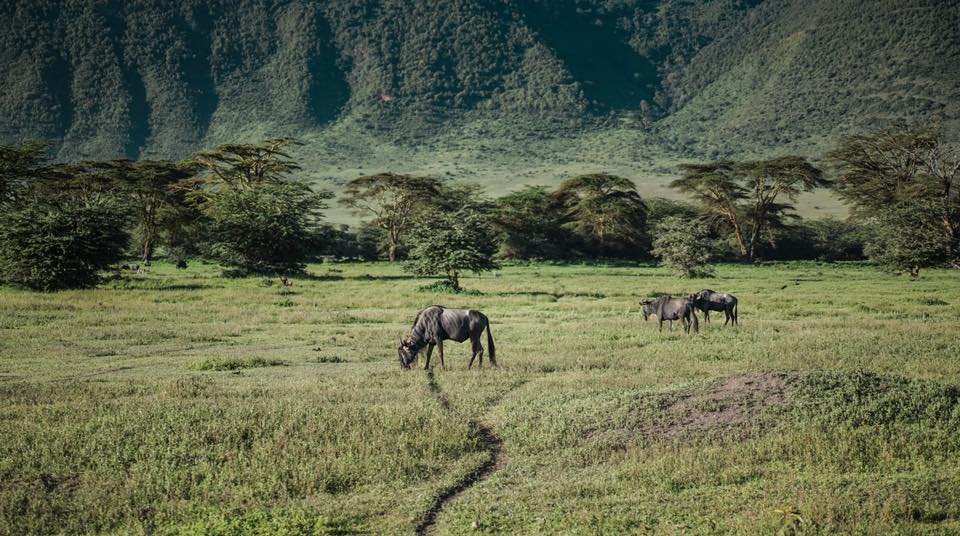
What this means for the visitor is exceptional wildlife density. In most African game parks, you drive for kilometres between major sightings. Inside the Ngorongoro Crater, herds of wildebeest, zebra, and buffalo stretch to the horizon. Elephants move through acacia woodland on the crater slopes. Flamingos turn the soda lake pink. And somewhere in the grass, a lion pride is almost certainly watching something.
It is the closest thing in nature to a wildlife amphitheatre — and you have a front-row seat.
The easiest way to experience it is on our Ngorongoro Crater day tour, which gives you a full day on the crater floor with an expert guide. Or combine it with the wider northern circuit on any of our Tanzania safari packages.
Reason 2: It Is One of the Last Places in Africa to See the Black Rhino
The critically endangered black rhino is one of Africa’s most iconic and most threatened animals. Decades of poaching reduced populations to near collapse across the continent, and today only a few thousand individuals survive in the wild. Tanzania’s black rhino population is small — and Ngorongoro is home to one of the most reliably viewable populations remaining anywhere in East Africa.
Because the rhinos inside the crater are resident and relatively protected by the natural barriers of the caldera walls, they are more habituated to vehicles than rhinos elsewhere and sightings — while never guaranteed — are more consistent here than almost anywhere else accessible to visitors. Spotting a black rhino moving through the open grassland of the crater floor is an experience that carries genuine weight, an encounter with an animal teetering on the edge of existence.
For many of our guests, a rhino sighting at Ngorongoro completes their Big Five checklist — lion, leopard, elephant, buffalo, and rhino — in a single day. But beyond the checklist, it is a reminder of what conservation truly means and what is at stake if we get it wrong.
Reason 3: The Lion Population Is Among the Densest in Africa
If you want to see lions — genuinely see them, close and unhurried — Ngorongoro may be the single best place in Africa to do so. The crater supports one of the highest densities of lion anywhere on the continent, with estimates of around 60 to 70 lions living permanently within the caldera walls.
These are not shy, distant lions that require binoculars and patience. Ngorongoro’s lions are completely accustomed to safari vehicles and frequently rest within metres of the road, draped over termite mounds or stretched out in the shade of an acacia. Watching a pride of eight or ten lions at close quarters — cubs tumbling over one another, adults yawning magnificently, the dominant male surveying his territory with absolute authority — is one of the most powerful wildlife experiences Tanzania has to offer.
The crater’s closed ecosystem also means you are witnessing a population that has been studied for decades. The behaviours, family dynamics, and individual stories of these lions are known in extraordinary detail — and a knowledgeable guide can bring those stories to life in ways that transform a sighting into something deeply personal. Our Kilisa Tours guides know the Ngorongoro lions well and love sharing their knowledge with every group they take into the crater.
Reason 4: The Landscape Itself Is Breathtaking — and Constantly Changing
Even setting the wildlife aside for a moment — which is almost impossible to do — Ngorongoro is simply one of the most visually spectacular landscapes in the world.
The descent into the crater on the steep, winding track is theatrical in itself. As you drop from the misty, forested rim into the open floor, the scale of the caldera reveals itself gradually — the sweeping grasslands, the shimmer of Lake Makat, the dark woodland patches along the crater walls, the distant silhouettes of animals everywhere you look. On clear mornings, the light inside the crater is extraordinary — soft and golden in the early hours, sharpening through the day into a clarity that makes the colours of the landscape almost unnaturally vivid.
The crater floor is not a single habitat but a mosaic of grassland, acacia woodland, seasonal swamps, freshwater springs, and the soda lake — each with its own character and its own wildlife community. Driving across the floor, you move between these habitats, each transition bringing new species into view.
And then there is the rim itself. At roughly 2,300 metres above sea level, the Ngorongoro rim is cool, forested, and dramatically beautiful. Elephant and buffalo move through the highland forest above the crater. Views from the observation points along the rim — particularly at dawn and dusk — are among the most stunning panoramic scenes in Tanzania.
The wider Ngorongoro Conservation Area extends far beyond the crater itself and encompasses a remarkable landscape of highland forests, open plains, and the Olduvai Gorge — the site of some of the most significant early human fossil discoveries ever made. This is not just wildlife country. It is the cradle of humanity.
Reason 5: It Combines Effortlessly with Everything Else in Northern Tanzania
Perhaps Ngorongoro’s greatest practical virtue is its position at the heart of Tanzania’s northern circuit. It sits between Serengeti National Park to the west, Tarangire National Park to the east, and Lake Manyara to the north — making it the natural centrepiece of any northern Tanzania safari.
Adding Ngorongoro to a Serengeti itinerary requires minimal additional travel time and delivers an entirely different wildlife experience — the open plains spectacle of the Serengeti paired with the concentrated, intimate drama of the crater. The contrast between the two parks is one of the great pleasures of a northern Tanzania safari.
It also pairs wonderfully with a cultural dimension. The Ngorongoro Conservation Area is the only protected area in Tanzania where indigenous people — the Maasai — continue to live alongside wildlife. Maasai herders graze their cattle on the crater rim and across the wider conservation area in a relationship with the land that stretches back centuries. A visit to a Maasai community adds profound human context to a wildlife-focused safari. Explore our Tanzania cultural tour options and 2-day, 3-day, and 4-day cultural tours for ideas on how to weave this in.
For the adventurous, the wider Ngorongoro area also serves as a gateway to some of Tanzania’s most remote and rewarding destinations — including Lake Natron, Lake Eyasi, and the extraordinary Mount Oldoinyo Lengai, the world’s only active carbonatite volcano and a sacred Maasai mountain.
Bonus: What Else Lives in the Ngorongoro Crater?
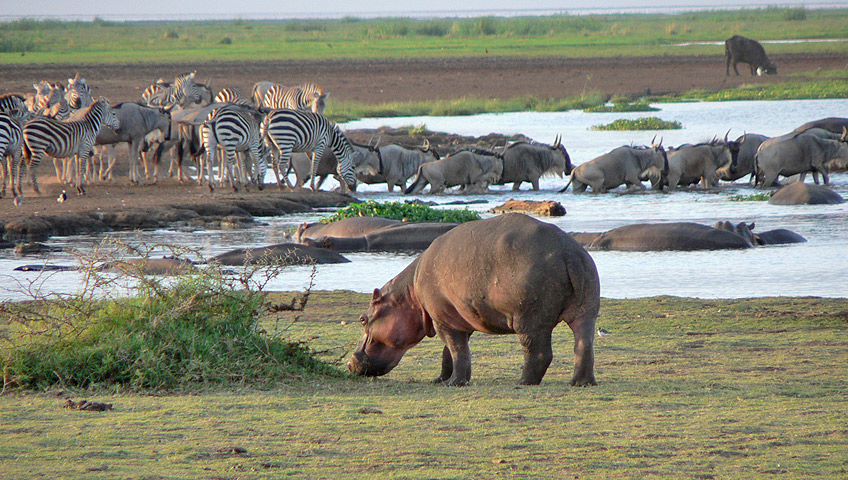
We have covered the headliners — lion, rhino, elephant — but the crater floor hosts a remarkable breadth of species that rewards patient exploration. Some highlights:
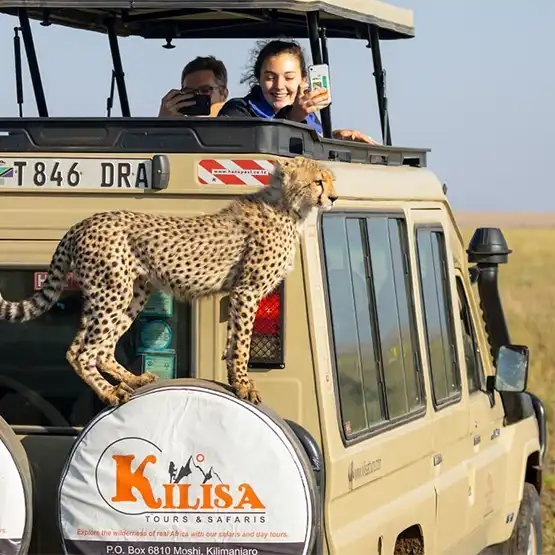
- Cheetah — the crater supports a small but viewable cheetah population, more commonly seen on the open grassland areas of the crater floor.
- Spotted hyena — Ngorongoro has one of the largest hyena populations in Africa, and unlike in many parks, the crater’s hyenas are active during daylight hours, making sightings frequent and fascinating.
- Hippopotamus — the Mandusi swamp and seasonal pools in the crater are home to resident hippo pods.
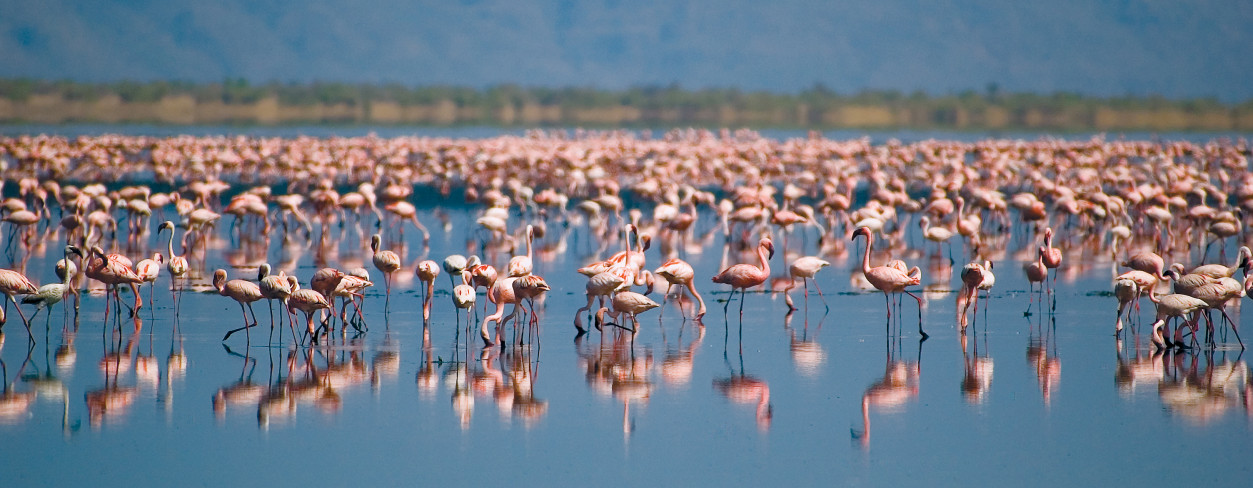
- Flamingo — Lake Makat regularly hosts thousands of lesser flamingos whose pink mass against the alkaline water is one of the crater’s iconic images.
- Golden jackal — one of Africa’s most charming and underrated predators, common and active across the crater floor.
- Over 500 bird species — including crowned cranes, kori bustards (the world’s heaviest flying bird), various raptors, and enormous concentrations of waterbirds around the lake and swamp areas.
- Cape buffalo — the crater holds several large buffalo herds that are a favourite target for the lion prides.
- Eland — Africa’s largest antelope moves through the crater in elegant herds, particularly on the western slopes.
A full day in the crater rarely feels long enough. Most of our guests leave wishing they had stayed another day — and many do exactly that on repeat visits.
How to See Ngorongoro: Your Options with Kilisa Tours
There are several ways to experience Ngorongoro depending on your time, budget, and travel style. Here is a guide to your main options.
Ngorongoro as a Day Trip
A Ngorongoro Crater day tour is the most accessible way to experience the crater and is excellent for travellers combining Ngorongoro with other activities in the area. You descend to the crater floor at dawn, spend a full day exploring with your guide, and ascend in the late afternoon. It is a full and deeply rewarding day.
Ngorongoro as Part of a Budget Safari
Our budget camping safaris include Ngorongoro as a key stop on the northern circuit. These packages offer excellent value without compromising on the quality of the wildlife experience or guiding.
- 2-Day Budget Camping Safari — Tarangire and Ngorongoro
- 3-Day Budget Camping Safari — Serengeti and Ngorongoro
- 3-Day Budget Camping Safari — Tarangire, Ngorongoro, and Lake Manyara
- 4-Day Budget Camping Safari — Tarangire, Serengeti, and Ngorongoro
- 5-Day Budget Camping Safari — Tarangire, Serengeti, and Ngorongoro
- 7-Day Budget Camping Safari — Lake Natron, Serengeti, Ngorongoro, and Tarangire
Ngorongoro as Part of a Mid-Range Safari
Our mid-range safaris balance comfort with value — lodge or tented camp accommodation, private vehicles, and all the flexibility of a well-run private safari.
- 2-Day Mid-Range Safari — Tarangire and Ngorongoro
- 3-Day Mid-Range Safari — Manyara, Ngorongoro, and Tarangire
- 3-Day Mid-Range Safari — Serengeti and Ngorongoro
- 4-Day Mid-Range Safari — Tarangire, Serengeti, and Ngorongoro
- 5-Day Mid-Range Safari — Tarangire, Serengeti, and Ngorongoro
- 6-Day Mid-Range Full Northern Circuit Safari
Ngorongoro as Part of a Luxury Safari
For the ultimate Ngorongoro experience, our luxury safari packages include lodges on the crater rim — waking to mist rolling across the caldera from your private veranda before descending to the crater floor at first light is a moment that lives with you forever.
- 2-Day Luxury Safari — Tarangire and Ngorongoro
- 3-Day Luxury Safari — Manyara, Ngorongoro, and Tarangire
- 3-Day Luxury Safari — Serengeti and Ngorongoro
- 4-Day Luxury Safari — Serengeti and Ngorongoro
- 5-Day Luxury Safari — Serengeti, Ngorongoro, and Tarangire
- 6-Day Luxury Full Northern Circuit Safari
- 7-Day Luxury Safari — Lake Natron, Serengeti, Ngorongoro, and Tarangire
Off-the-Beaten-Path Ngorongoro Combinations
For travellers who want to explore the wider Ngorongoro ecosystem beyond the crater itself, we offer several itineraries that venture into the extraordinary landscapes surrounding the conservation area.
Practical Tips for Visiting Ngorongoro
When to Visit
The Ngorongoro Crater is one of Tanzania’s most rewarding year-round destinations. Because the wildlife is resident rather than migratory, there is no bad season — though the dry season months of June through October and January through February offer the clearest skies and most comfortable driving conditions on the crater floor. The rim can be cool and misty at any time of year — bring a warm layer regardless of the season. Our full best time to go on safari guide covers seasonal conditions in detail.
How to Get There
Ngorongoro is approximately three hours by road from Arusha — a comfortable drive through some of Tanzania’s most beautiful highland scenery. Our how to get there guide covers all the logistics of reaching the conservation area.
What to Bring
Binoculars are essential — Ngorongoro rewards careful observation and the scale of the crater means some sightings begin at distance. Camera with a long lens, warm layers for the rim and early morning drives on the floor, sunscreen for the open crater, and a sense of patience. Our full safari packing list has everything covered. Also review our safari food guide so you know what to expect for meals on the road.
How Long to Spend
A minimum of one full day on the crater floor is necessary to do it justice. Two days — including a night on the rim — allows you to descend twice, catching the crater in its different morning and afternoon moods, and dramatically increases the range of sightings. Many of our guests who visit Ngorongoro for the first time on a tight schedule come back specifically to spend more time there.
Travel Insurance
As with all Tanzania travel, comprehensive travel insurance including medical evacuation is essential. Review our health and immunisation guide well before your departure date.
Five Reasons. One Unmissable Destination.
Let us bring it together. Ngorongoro is special because no other place on Earth combines all of the following in one accessible location: the world’s largest intact volcanic caldera, one of Africa’s densest concentrations of large mammals, a thriving population of critically endangered black rhino, lion prides you can observe at close quarters, and a landscape of such beauty and historical significance that it carries UNESCO World Heritage status.
It belongs on your Tanzania itinerary. Not as a footnote, not as a quick stop — but as a destination that deserves a full day, ideally two, and the guidance of someone who knows its stories.
We would love to take you there. Whether you are exploring all of Tanzania’s destinations, planning a first safari, or returning for a deeper experience, our team will craft an itinerary that puts Ngorongoro at the heart of your adventure.
Contact Kilisa Tours today and start planning your Ngorongoro safari.