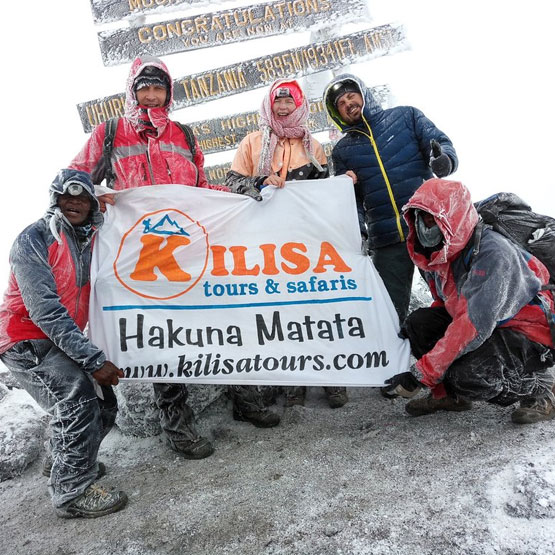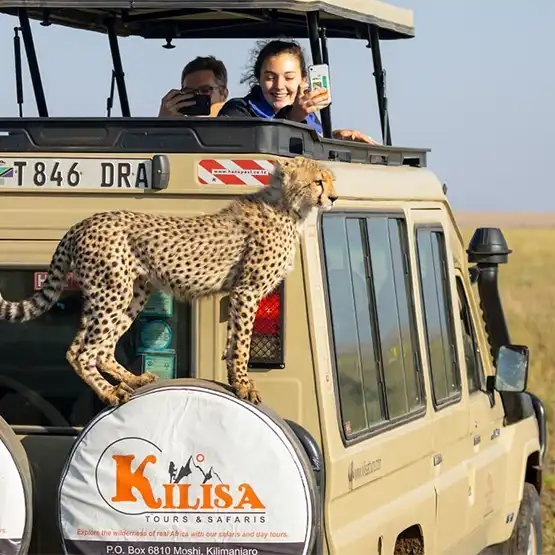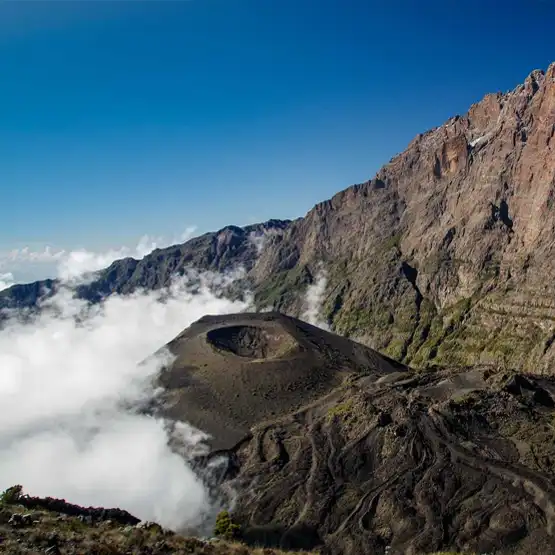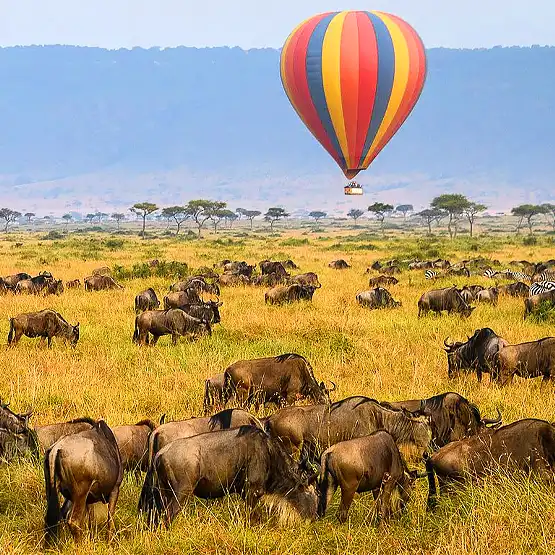
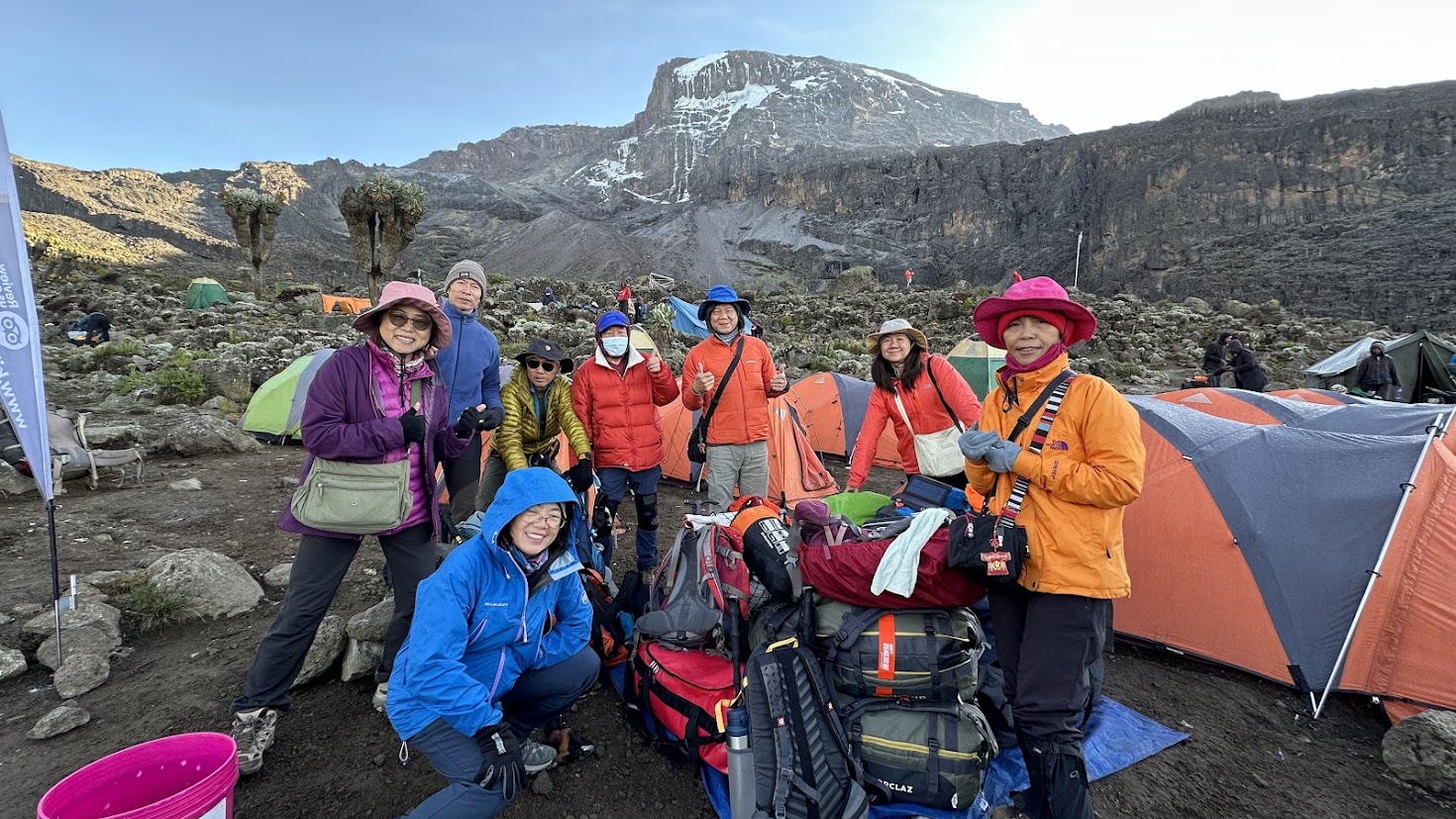
Choosing the best route to climb Kilimanjaro is the most important decision you will make about your entire trip. This honest, experience-based guide compares the top routes by summit success rate, scenery, crowd levels, and acclimatization — so you can pick the right path to Uhuru Peak.
This guide focuses on the three routes we most often recommend as the best routes to climb Kilimanjaro: the Lemosho Route, the Machame Route, and the Northern Circuit Route. We also cover the other established routes — Marangu, Rongai, Shira, Umbwe, and Western Breach — so you have the full picture before you decide.
By the end of this guide, you will know which Kilimanjaro route suits your fitness, your timeframe, and your goals — and you will be ready to book with confidence.

What Makes One Route Better Than Another?
When experienced climbers and guides compare routes on Kilimanjaro, they evaluate them across four key dimensions. Understanding these dimensions helps you find the best route to climb Kilimanjaro for your specific situation.
Acclimatization Profile
Acclimatization is the process by which your body adapts to reduced oxygen at high altitude. The best Kilimanjaro routes are designed around the “climb high, sleep low” principle — ascending to a higher elevation during the day, then sleeping at a lower camp to let your body consolidate the adaptation. Routes that rush climbers to the summit in five or six days have noticeably lower success rates than those that take seven or eight days. More time on the mountain means more acclimatization cycles, and more acclimatization cycles mean a better-prepared body for summit night.
For an authoritative overview of altitude acclimatization physiology, the Altitude Research Centre provides detailed guidance on how the body responds to high elevation.
Summit Success Rate
Summit success rates vary significantly between routes. Longer routes with better acclimatization profiles consistently achieve higher success rates. The Northern Circuit and Lemosho routes regularly achieve success rates above 90% when guided by experienced operators. By contrast, the 5-day Marangu route success rate is considerably lower. When choosing the best route to climb Kilimanjaro, success rate is arguably the most important single metric to consider.
Scenery and Route Variety
Kilimanjaro passes through five distinct ecological zones — montane rainforest, heath and moorland, alpine desert, and the arctic summit zone. The best routes expose you to the widest variety of these landscapes. Routes that traverse more of the mountain’s circumference — particularly the Lemosho and Northern Circuit — offer dramatically more scenic variety than shorter, more direct routes.
Crowd Levels
The most popular routes — particularly the Machame and Marangu — can feel busy at shared campsites during peak season. By contrast, the Northern Circuit and Lemosho (for its western sections) see far fewer climbers. If a solitary, wilderness experience is important to you, crowd levels are a significant factor in choosing the best route to climb Kilimanjaro.
The Best Route to Climb Kilimanjaro: Our Top Three
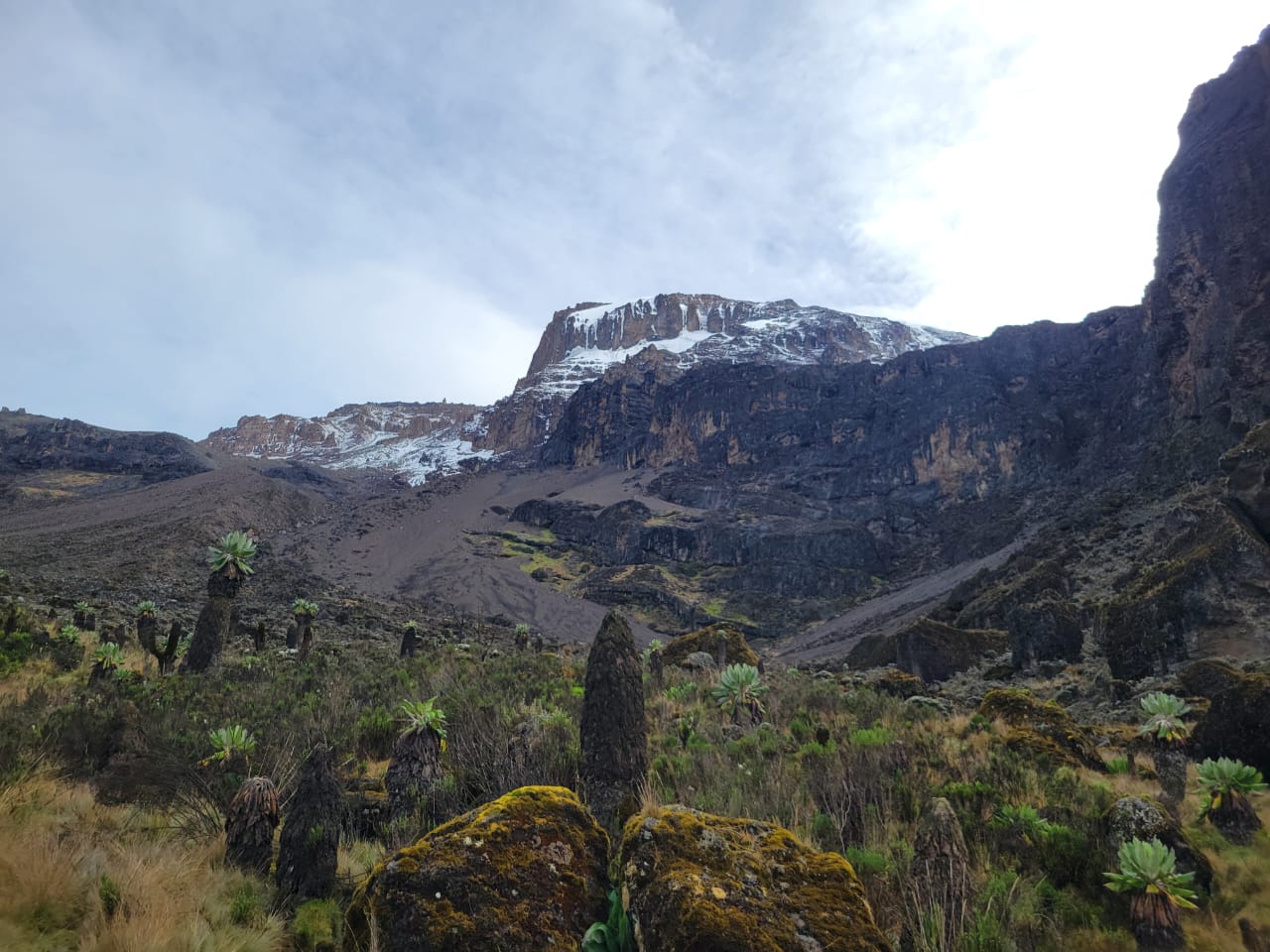
1. Lemosho Route — The Overall Best Route to Climb Kilimanjaro
If we had to name a single best route to climb Kilimanjaro, the Lemosho Route would be it. It combines outstanding scenery, excellent acclimatization, relatively low crowd levels, and summit success rates that consistently rank among the highest on the mountain. It is the route we most often recommend to first-time Kilimanjaro climbers who want the best possible chance of reaching Uhuru Peak.
The Lemosho approaches from the west through pristine rainforest, crosses the dramatic Shira Plateau, and makes its summit push via the Lava Tower — a feature that builds in a crucial acclimatization day at 4,630 metres before dropping back to sleep at Barranco Camp at 3,960 metres. This classic “climb high, sleep low” day is one of the most effective acclimatization strategies on the mountain.
Furthermore, the descent via the Mweka Route brings you off the mountain on the southern side, close to Moshi — making it logistically seamless if you are combining the climb with a safari. In terms of scenery, the Lemosho traverses more of Kilimanjaro’s varied terrain than almost any other route, delivering views that range from equatorial rainforest to high-altitude moorland to the stark volcanic landscape of the summit zone.
Lemosho Route Key Facts
| Factor | Rating |
|---|---|
| Acclimatization quality | Excellent |
| Summit success rate | Very high (90%+) |
| Scenic variety | Outstanding |
| Crowd levels | Low to moderate |
| Duration options | 6, 7, 8, 9 days |
| Best for | Most climbers — especially first-timers |
Lemosho Route Itinerary Options
- 6-Day Lemosho Route — shorter option, suitable for experienced high-altitude trekkers
- 7-Day Lemosho Route — our most popular recommendation
- 8-Day Lemosho Route — maximum acclimatization on the standard route
- 8-Day Crater Lemosho Route — includes a visit to the volcanic crater
- 9-Day Crater Lemosho Route — the most thorough acclimatization profile available

2. Machame Route — The Best Route for Scenery and Popularity
The Machame Route — known as the Whisky Route — is one of the most dramatic and varied routes on Kilimanjaro. It is also the most popular, which tells you something important: it combines a genuinely excellent acclimatization profile with outstanding scenery in a way that most climbers find deeply satisfying.
Like the Lemosho, the Machame Route also passes the Lava Tower and includes the key “climb high, sleep low” acclimatization day. In fact, the Machame and Lemosho share much of their upper route from Barranco Camp onward — the difference lies primarily in the approach and the first two days. The Machame approach from the south is shorter and more forested; the Lemosho approach from the west is longer and traverses the Shira Plateau.
The Machame is an excellent choice if you want the best route to climb Kilimanjaro with a vibrant, social atmosphere — busy camps in the evenings, fellow climbers sharing stories around the mess tents, and the energy of a popular mountain in full swing. However, for those who prefer solitude, the Lemosho or Northern Circuit is a better fit.
We strongly recommend the 7-day or 8-day Machame over the 6-day version. The extra days meaningfully improve acclimatization and summit success rates.
Machame Route Key Facts
| Factor | Rating |
|---|---|
| Acclimatization quality | Very good (7-day+) |
| Summit success rate | High (7-day: ~85–90%) |
| Scenic variety | Excellent |
| Crowd levels | Moderate to high |
| Duration options | 6, 7, 8 days |
| Best for | Climbers who enjoy a social mountain experience |
Machame Route Itinerary Options
- 6-Day Machame Route — manageable but less acclimatization time
- 7-Day Machame Route — our standard recommendation
- 8-Day Machame Route — best summit success rate on this route
- 8-Day Crater Machame Route — includes the volcanic crater camp
- 7-Day Machame New Year Departure — our special festive season climb
3. Northern Circuit Route — The Best Route to Climb Kilimanjaro for Solitude and Safety
The Northern Circuit Route is Kilimanjaro’s longest route, circling almost the entire northern face of the mountain before making its summit approach from the east. It is also, by most measures, the route with the best acclimatization profile and the highest summit success rates of any path on the mountain.
Because the Northern Circuit traverses the remote northern slopes — terrain that almost no other route visits — it offers a true wilderness experience. You may spend entire days on the mountain without seeing another climbing group. The landscapes are extraordinary and varied, and the extended time at altitude gives your body the most complete acclimatization possible before summit night.
The Northern Circuit takes nine or ten days, which makes it a significant time commitment. However, for climbers who have the schedule and who want the best possible combination of safety, solitude, and summit success, it is genuinely the best route to climb Kilimanjaro in absolute terms.
Northern Circuit Route Key Facts
| Factor | Rating |
|---|---|
| Acclimatization quality | Outstanding — best on the mountain |
| Summit success rate | Very high (95%+) |
| Scenic variety | Exceptional — most varied route |
| Crowd levels | Very low — near solitary |
| Duration options | 9, 10 days |
| Best for | Those who want maximum safety, solitude, and wilderness |
Northern Circuit Route Itinerary Options
- 9-Day Northern Circuit Route
- 10-Day Northern Circuit Route — maximum acclimatization
Head-to-Head: Lemosho vs Machame vs Northern Circuit
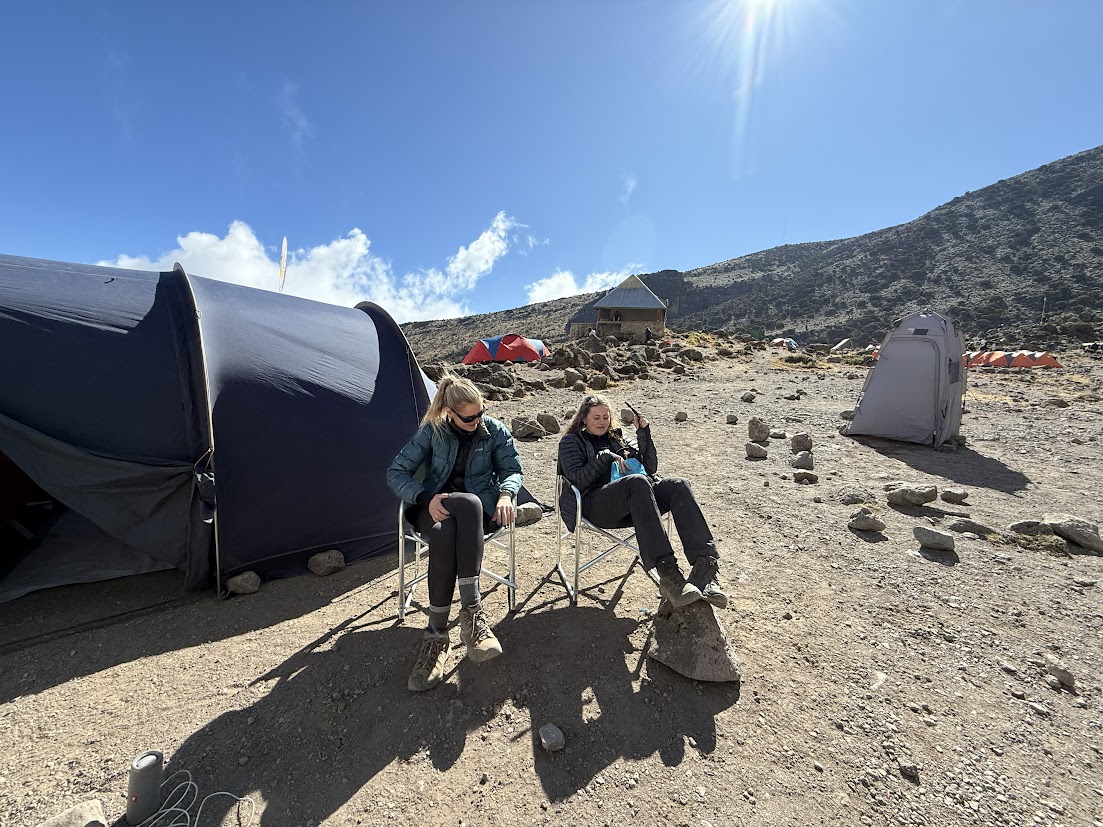
To make the comparison clear, here is how the three best routes to climb Kilimanjaro stack up against each other across the key decision factors.
| Factor | Lemosho | Machame | Northern Circuit |
|---|---|---|---|
| Acclimatization | Excellent | Very good (7+ days) | Outstanding |
| Summit success rate | 90%+ | 85–90% (7-day) | 95%+ |
| Scenery | Outstanding | Excellent | Exceptional |
| Crowd level | Low–moderate | Moderate–high | Very low |
| Minimum days recommended | 7 days | 7 days | 9 days |
| Best for first-timers? | Yes — top choice | Yes — great alternative | Yes — if time allows |
| Social atmosphere | Moderate | High | Very low |
| Post-climb transition to safari | Very easy (Mweka descent) | Very easy (Mweka descent) | Easy (Marangu descent) |
In summary: if you want the best route to climb Kilimanjaro for a first attempt, choose the 7-day or 8-day Lemosho. If you want a vibrant, scenic climb with excellent success rates, choose the 7-day or 8-day Machame. If you have nine or ten days and want the most thorough acclimatization and the most remote experience on the mountain, choose the Northern Circuit.
The Other Kilimanjaro Routes: A Complete Overview
Beyond the three main recommendations above, Kilimanjaro has five additional established routes. Each has its own character and suits specific types of climbers. Here is a concise guide to all of them.
Marangu Route — The Classic but Challenging Route for Acclimatization
The Marangu Route is the oldest and most recognisable route on Kilimanjaro, known as the Coca-Cola Route. It is the only route with hut accommodation throughout, which makes it popular with those who prefer sleeping in dormitories over tents. However, the standard 5-day Marangu offers limited acclimatization time and has the lowest summit success rate of any major route. We always recommend the 6-day Marangu over the 5-day version — the extra day at Horombo Hut makes a meaningful difference. It is a valid choice for climbers who have previously acclimatized at altitude, but it is not the best route to climb Kilimanjaro for most first-timers.
Rongai Route — Quiet, Dry, and Underrated
The Rongai Route approaches from the north near the Kenyan border. It is drier than the southern routes, sees far fewer climbers, and offers a completely different perspective on the mountain. The 7-day Rongai provides good acclimatization and is a genuinely enjoyable climb. For travellers who want a quieter experience without committing to the Northern Circuit’s nine-day itinerary, the Rongai is an excellent choice. The 6-day version is also available, though we prefer the 7-day for combination trip guests.
Shira Route — High Start, Different Approach
The Shira Route begins at a vehicle-accessible trailhead at around 3,500 metres — the highest starting point of any established Kilimanjaro route. This means the initial altitude gain is rapid, which can be challenging for acclimatization. It joins the Lemosho Route on the Shira Plateau and follows a similar path from there. Available as a 7-day itinerary, it suits climbers who are already acclimatized or who have previous high-altitude experience.
Umbwe Route — The Most Direct and Challenging
The Umbwe Route is the steepest and most direct path to the summit. It is short, dramatic, and demanding — and it offers the least acclimatization time of any route on the mountain. As a result, summit success rates on the Umbwe are lower than on longer routes, and we do not recommend it as a first Kilimanjaro attempt. It is best suited to very fit, experienced trekkers who have recently spent time at altitude. Available as a 6-day climb.
Western Breach Route — For Experienced Adventurers Only
The Western Breach Route is the most technically demanding path on Kilimanjaro. It involves navigating a steep boulder field above Arrow Glacier and is suited only to experienced climbers with a strong tolerance for altitude and challenging terrain. It provides access to the volcanic crater and is available in 8-day and 11-day versions. For those who want to include the crater camp, both the crater Lemosho and crater Machame routes are safer and more comfortable alternatives for most climbers.

Best Route to Climb Kilimanjaro: Quick Decision Guide
Use this table to quickly identify the best Kilimanjaro route for your specific situation.
| Your Situation | Best Route | Our Recommendation |
|---|---|---|
| First-time Kilimanjaro climber, 7–8 days available | Lemosho | 7-Day Lemosho |
| First-time climber, want a social atmosphere | Machame | 7-Day Machame |
| Want maximum safety and solitude, 9–10 days | Northern Circuit | 9-Day Northern Circuit |
| Prefer hut accommodation, shorter itinerary | Marangu | 6-Day Marangu |
| Want a quieter route, 6–7 days | Rongai | 7-Day Rongai |
| Already acclimatized, want a different approach | Shira | 7-Day Shira |
| Experienced trekker, want maximum challenge | Umbwe | 6-Day Umbwe |
| Technical climber, want crater access via the breach | Western Breach | 8-Day Western Breach |
| Want to climb over New Year | Machame | New Year Machame Departure |
Tips for Choosing the Best Kilimanjaro Route for You
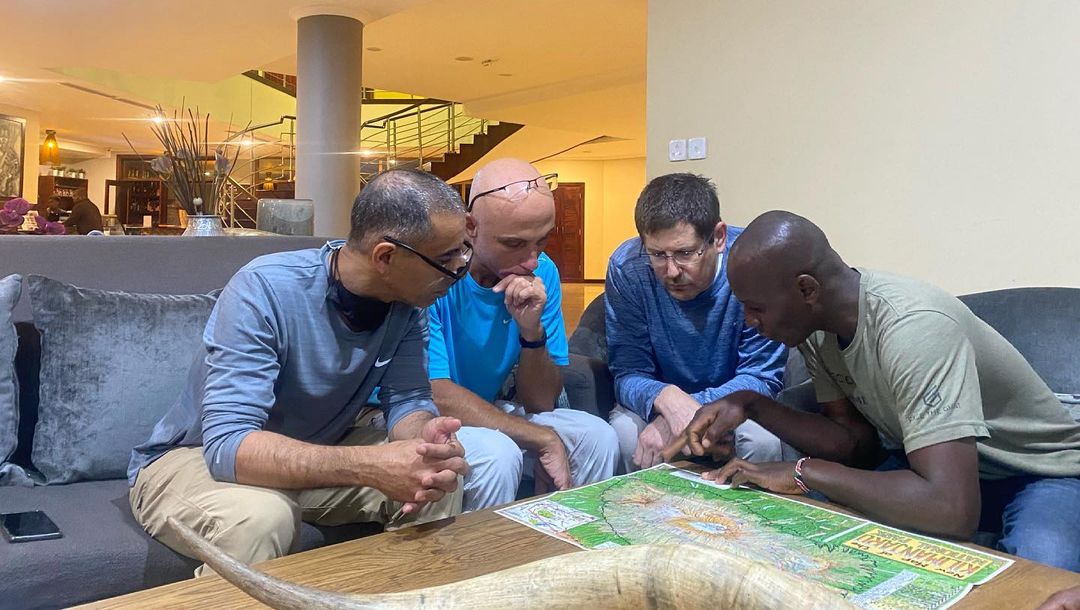
Beyond the route itself, several other factors influence your overall Kilimanjaro experience. Here is what to consider alongside your route choice.
Always Choose a Longer Itinerary
Regardless of which route you choose, always opt for the longer available itinerary. An extra day on the mountain is the single most effective thing you can do to improve your summit success rate. The difference in success rates between a 6-day and 8-day Machame, or a 7-day and 9-day Lemosho, is significant. We therefore never recommend the shortest available itinerary on any route unless there is a compelling reason.
Match the Route to Your Fitness Level
The best route to climb Kilimanjaro for a moderately fit person with no high-altitude experience is the 7-day Lemosho or 7-day Machame. Very fit, experienced trekkers may enjoy the challenge of the Umbwe. Less physically confident climbers benefit most from the extra time and gentler daily elevation gains of the Northern Circuit or the 8-day Lemosho. Be honest about your fitness when you enquire — it genuinely helps us recommend the right route and itinerary for you.
Consider What Else Is on Your Tanzania Itinerary
If you are combining your Kilimanjaro climb with a Serengeti safari — and we highly recommend this combination — then the Lemosho and Machame routes are particularly convenient, as both descend via the Mweka Route close to Moshi and Arusha. See our 10-day and 11-day Kilimanjaro combine tours for seamless climb-and-safari itineraries.
Prepare Properly Regardless of Route
The best route to climb Kilimanjaro will not compensate for inadequate preparation. Start cardiovascular and strength training at least three months before departure. Break in your hiking boots thoroughly. Consult your doctor about altitude sickness medication (Diamox). Visit a travel health clinic for vaccinations and malaria medication. Our immunisation and medical kit guide, packing guide, equipment guide, and complete packing checklist cover all of this in detail. Additionally, review the Tanzania National Parks (TANAPA) official site for current park regulations and permit requirements.
Think About the Full Mountain Experience, Not Just the Summit
The summit is the goal, but it is not the only thing that matters on a Kilimanjaro climb. The days on the mountain — the landscapes, the conversations with your guide, the wildlife in the rainforest, the extraordinary light at high altitude — are what most climbers remember most vividly. The best Kilimanjaro route is therefore not simply the one with the highest success rate. It is the one that gives you the richest overall mountain experience while also giving you the best possible chance of reaching the top.
That is exactly why we recommend the Lemosho, Machame, and Northern Circuit so consistently. They are not just safer — they are more beautiful, more varied, and more memorable than the shorter alternatives.
Adding Mount Meru Before Kilimanjaro
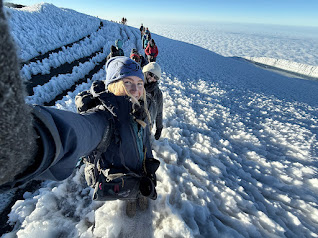
For climbers who want to maximise their summit success on Kilimanjaro, climbing Mount Meru immediately before Kilimanjaro is one of the most effective acclimatization strategies available. At 4,566 metres, Meru is East Africa’s second highest peak — a spectacular mountain in its own right, with wildlife on the slopes and dramatic crater views. Available as a 3-day or 4-day climb, it adds between three and four days to the start of your itinerary and gives your body a crucial altitude adaptation period before you set foot on Kilimanjaro.
Climbers who add Meru before their Kilimanjaro route consistently report better acclimatization, higher energy on the upper mountain, and greater confidence on summit night. Consequently, for climbers who are worried about altitude sickness or who want the absolute best possible preparation, a Meru-then-Kilimanjaro itinerary is our strongest recommendation.
When Is the Best Time to Climb Kilimanjaro?
The best route to climb Kilimanjaro is only part of the equation — timing matters too. The two primary climbing seasons align with Tanzania’s dry seasons: January to February and June to October. Both offer dry trails, clear skies, and the best summit visibility of the year.
January and February are particularly appealing because they combine excellent mountain conditions with the extraordinary calving season on the southern Serengeti — making this window ideal for a combined Kilimanjaro and safari trip. See our 4-day calving season safari and 5-day calving season safari options.
June to October is peak safari season on the Serengeti, with the Mara River crossings between July and October. Combining Kilimanjaro with a safari during this window creates one of the greatest adventure itineraries in East Africa. For a full seasonal guide, see our best time to go on safari page.
We advise against climbing during the long rains (March to May), when trails are muddy and visibility at altitude is poor. Mid-November can work but is less reliable as the short rains arrive.
Joining a Group vs. Climbing Privately
One final decision you need to make when choosing the best route to climb Kilimanjaro is whether to join a scheduled group departure or book a private climb.
Joining a group is a wonderful option for solo travellers and those who want to share the experience and manage costs. It also means summit night is shared with fellow climbers — a source of mutual motivation that many people find genuinely helpful. Check our group departure dates for upcoming scheduled climbs on the Lemosho, Machame, and Rongai routes.
A private climb, by contrast, gives you a guide who is entirely focused on your needs, a schedule set around your pace, and the flexibility to take rest days if needed. For couples, families, and anyone who prefers a personalised experience, a private Kilimanjaro climb is the right choice. Our tailor-made tour service handles all private climb bookings, including custom combinations with any of our safari packages.
Why Climb Kilimanjaro with Kilisa Tours?
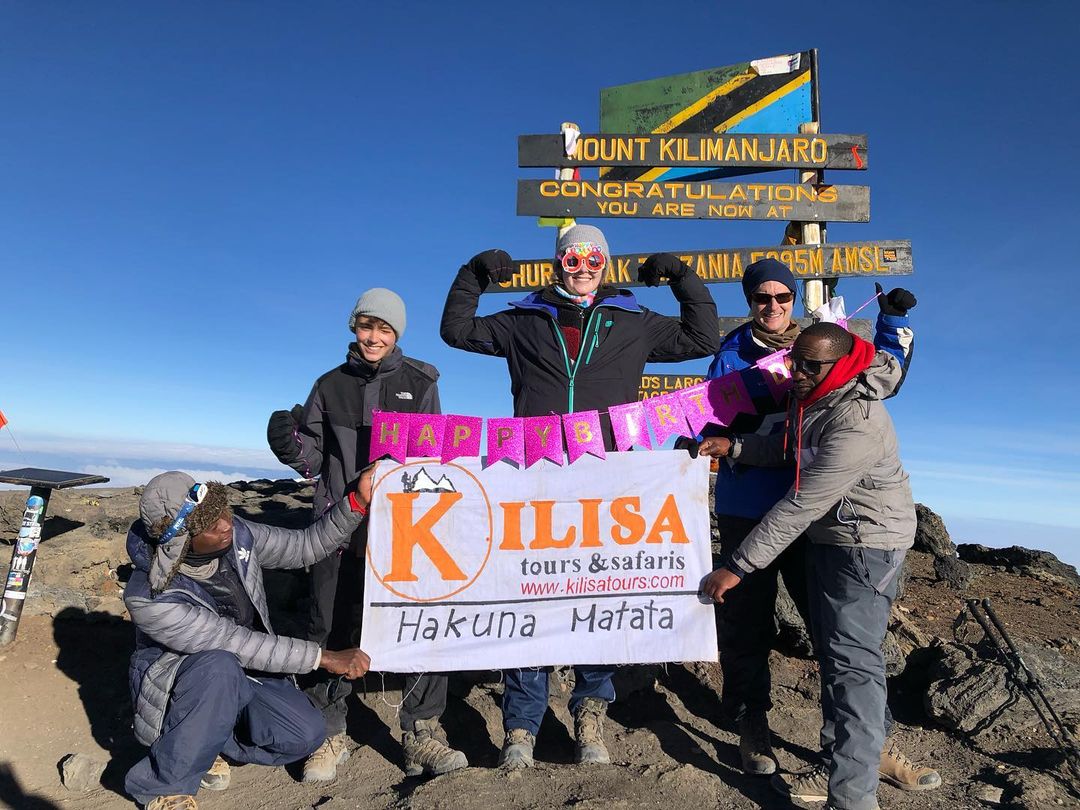
We are a Tanzania-based company. Our guides live at the foot of Kilimanjaro. They know every camp, every weather pattern, every shortcut through the forest, and every sign that a climber needs to slow down or rest. When you climb with us, you are not in the hands of an overseas agency selling Tanzania from a brochure — you are in the hands of people who know this mountain deeply and personally.
Our mountain teams are trained in Wilderness First Aid and conduct twice-daily health checks on every climb. We comply fully with Tanzania National Park Authority regulations on crew welfare, porter treatment, and minimum gear standards. We operate in a way we are proud of — and that pride translates directly into the quality of your experience.
Whether you are looking for the best route to climb Kilimanjaro as a first-time high-altitude trekker, an experienced adventurer, or one half of a couple on a Tanzania honeymoon, we will find the right path for you and make sure every detail of your climb is exactly right.
Contact Kilisa Tours today and let’s find the best Kilimanjaro route for you.