 Ask most first-time visitors to name a Tanzania safari park, and you’ll hear Serengeti, Ngorongoro, maybe Manyara. Tarangire rarely makes the list — and that’s exactly why it should. A Tarangire National Park safari delivers some of the most dramatic elephant viewing anywhere in Africa, set against a landscape of ancient baobab trees found almost nowhere else on the northern circuit. It’s the park that seasoned safari travelers quietly rate above the famous names, and once you’ve stood among 300 elephants moving beneath a grove of 600-year-old baobabs, you’ll understand why.
At Kilisa Tours and Safari, we build Tarangire into the majority of our northern circuit itineraries — not as a quick stop, but as a destination worth its own time. Here’s why it deserves a real place on your itinerary.
Tarangire at a Glance
| Detail | Information |
|---|---|
| Location | Northern Tanzania, ~120km southwest of Arusha |
| Size | 2,850 km² — Tanzania’s 6th largest national park |
| Famous For | Massive elephant herds, ancient baobab trees |
| Elephant Numbers | Herds of 200–300+ individuals during the dry season |
| Bird Species | Over 550 recorded species |
| Best Time to Visit | June to October (dry season) |
| Drive from Arusha | Approximately 2–3 hours by road |
The Elephant Empire, Earned
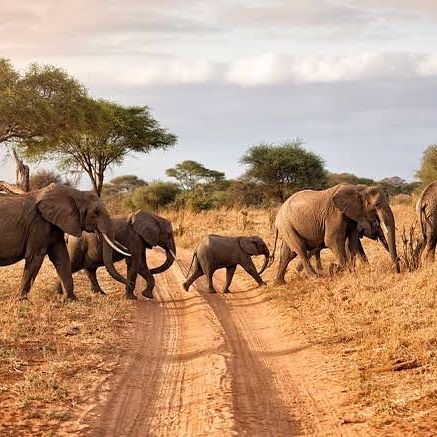
Tarangire’s nickname isn’t marketing — it’s earned. As the surrounding Masai Steppe dries out between June and October, water all but disappears across a vast surrounding area, and wildlife streams toward one reliable lifeline: the Tarangire River. The result is one of the most concentrated elephant gatherings anywhere on the continent, with herds of 200 to 300 individuals regularly seen digging into the dry riverbed in search of underground water, dust-bathing along the banks, and moving as extended family groups led by an experienced matriarch.
It’s not unusual for visitors during peak dry season to describe riverbank scenes with elephants gathered in the hundreds — a spectacle that rivals far more famous elephant destinations elsewhere in Africa, but with a fraction of the crowds.
The Baobabs: Africa’s “Trees of Life”
If the elephants are Tarangire’s headline act, the baobab trees are its unforgettable backdrop. These extraordinary trees can live for 600 years or more, with trunks wide enough that four adults linking hands still couldn’t encircle them. Their soft, fibrous bark allows them to store hundreds of litres of water internally, which is exactly why elephants are often seen digging into the trunks with their tusks during the driest months.
For most of the dry season the baobabs stand leafless, their thick branches reaching starkly into the sky — the origin of the old African legend that the baobab was planted upside down by the gods. Watching a herd of elephants move through a baobab grove at golden hour, dust catching the late afternoon light, is one of those scenes that photographs can never quite do justice.
Beyond the Elephants: What Else You’ll See
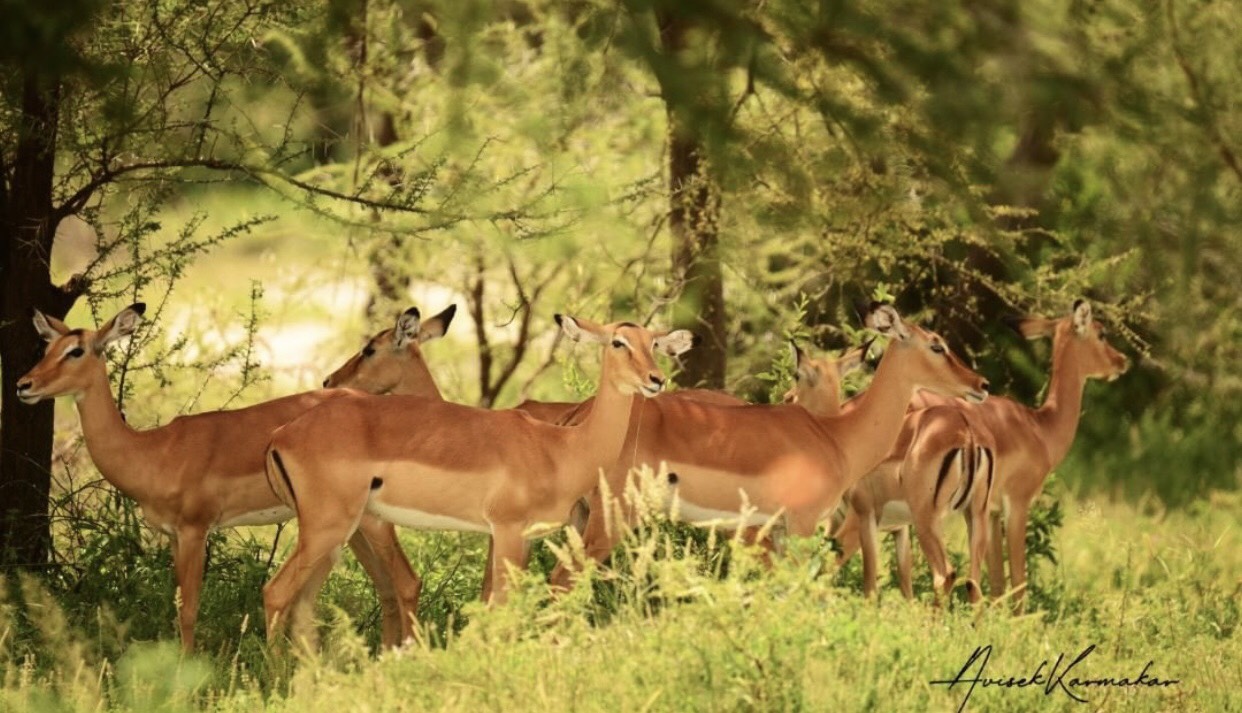
Tarangire holds the second-highest concentration of wildlife in Tanzania after the Serengeti, and elephants are only part of the story:
- Predators — Lions (sometimes spotted resting in acacia or sausage trees), leopards, and the occasional cheetah on the hunt.
- Birdlife — Over 550 recorded species, including the Kori Bustard, the world’s heaviest flying bird, plus colorful lilac-breasted rollers and seasonal migratory visitors.
- The Silale Swamp — A year-round water source and one of the park’s richest wildlife hotspots, drawing elephants, buffalo, and a constant chorus of birdlife.
- Termite Mounds — Towering structures, some more than twice the height of a person, scattered across the landscape.
- Walking Safaris — A genuinely different way to experience the park, tracking footprints and signs of wildlife at ground level with an experienced guide.
When to Visit
| Season | Months | What to Expect |
|---|---|---|
| Dry Season (Peak) | June – October | Massive elephant herds gather along the river; best game viewing of the year |
| Green Season | November – May | Lush scenery, excellent birdwatching, fewer crowds, more dispersed wildlife |
| Short Dry Spell | January – Early March | A milder window with a good mix of wildlife and pleasant weather |
If your main goal is witnessing Tarangire’s famous elephant gatherings, June through October is the clear choice. If you’d rather enjoy a quieter park with lush green scenery and exceptional birding, the green season is well worth considering — and you’ll likely have much of the park to yourself. Our best time to go on safari guide can help you weigh this against the rest of your Tanzania itinerary.
How to Experience Tarangire
Tarangire fits naturally into a northern circuit safari, whether as a focused day visit or as a multi-day stay in its own right. We offer both options:
Day Tour
If you’re short on time or based in Arusha, our Tarangire Day Tour gives you a focused taste of the park’s elephant herds and baobab landscapes without committing extra nights to your itinerary.
Multi-Day Safaris Featuring Tarangire
For the full experience, we recommend pairing Tarangire with other northern circuit highlights:
- 2-Day Mid-Range Safari: Tarangire & Ngorongoro
- 3-Day Mid-Range Safari: Manyara, Ngorongoro & Tarangire
- 4-Day Mid-Range Safari: Tarangire, Serengeti & Ngorongoro
- 5-Day Mid-Range Safari: Tarangire, Serengeti, Ngorongoro & Manyara
- 2-Day Luxury Safari: Tarangire & Ngorongoro
- 4-Day Luxury Safari: Tarangire, Serengeti & Ngorongoro
- 3-Day Budget Camping Safari: Tarangire, Ngorongoro & Manyara
Prefer something built entirely around your travel dates and priorities? Our tailor-made tours let us design an itinerary with exactly the amount of time Tarangire deserves.
Tarangire and the Rest of the Northern Circuit
Tarangire pairs naturally with the other parks that make up northern Tanzania’s classic safari route. After your time among the elephants and baobabs, many of our itineraries continue on to the Ngorongoro Conservation Area, Serengeti National Park, or a relaxed day at Lake Manyara. Together, these parks form one of the most complete safari circuits anywhere in Africa — and Tarangire is very often the destination travelers say they didn’t expect to love as much as they did.
Planning Your Visit
Before you go, a few of our planning resources are worth a look:
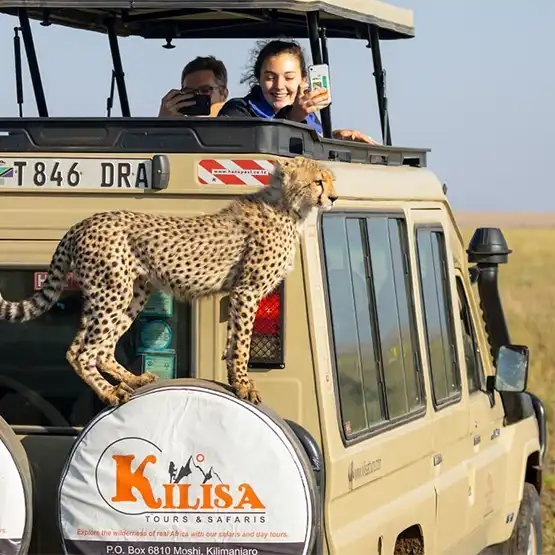
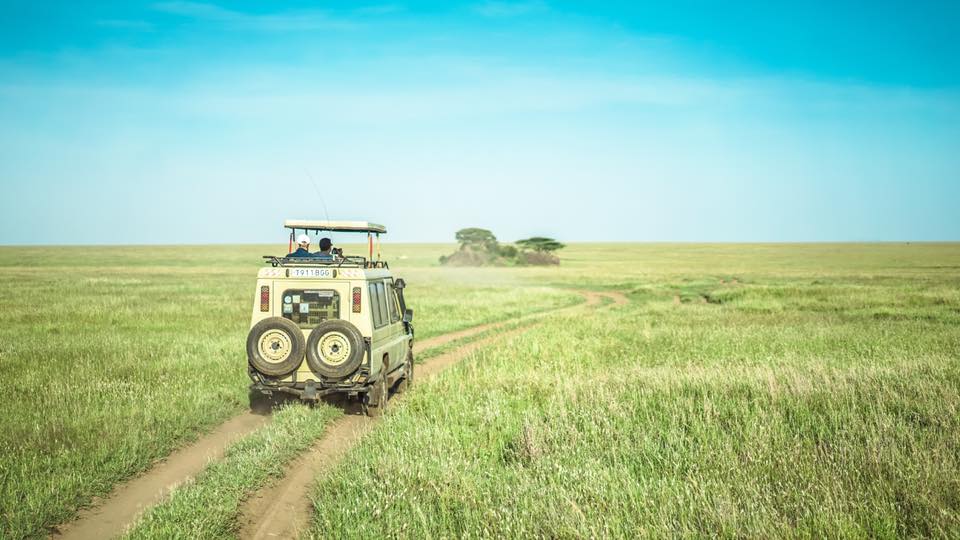
- Our safari vehicles — comfortable 4x4s with pop-up roofs for unobstructed wildlife viewing
- Our driver-guides — experienced in tracking Tarangire’s elephant herds and resident wildlife
- What to take guide — pack appropriately for warm days and cooler early mornings
- Safari FAQ — answers to the questions travelers ask most before visiting
Don’t Let It Stay a Secret
Tarangire has long been Tanzania’s quiet achiever — overshadowed by its more famous neighbors, yet delivering elephant encounters and ancient baobab scenery that rival anywhere else on the continent. It’s the park that makes seasoned safari travelers stop mid-conversation and say, “you really shouldn’t skip Tarangire.”
At Kilisa Tours and Safari, we’ll help you build Tarangire into your itinerary the right way, with enough time to actually experience it — not just drive through it.
Contact us today to add Tanzania’s Elephant Empire to your safari itinerary.