I’ve led climbers up Mount Kilimanjaro for years now. I’ve watched the mountain humble strong athletes. I’ve watched it reward patient beginners. Somewhere along the way, I stopped predicting who would summit and who wouldn’t. The mountain decides that on its own terms.
This isn’t a marketing pitch. It’s what I’ve actually learned on the trail, told straight.
My Experience on the Mountain
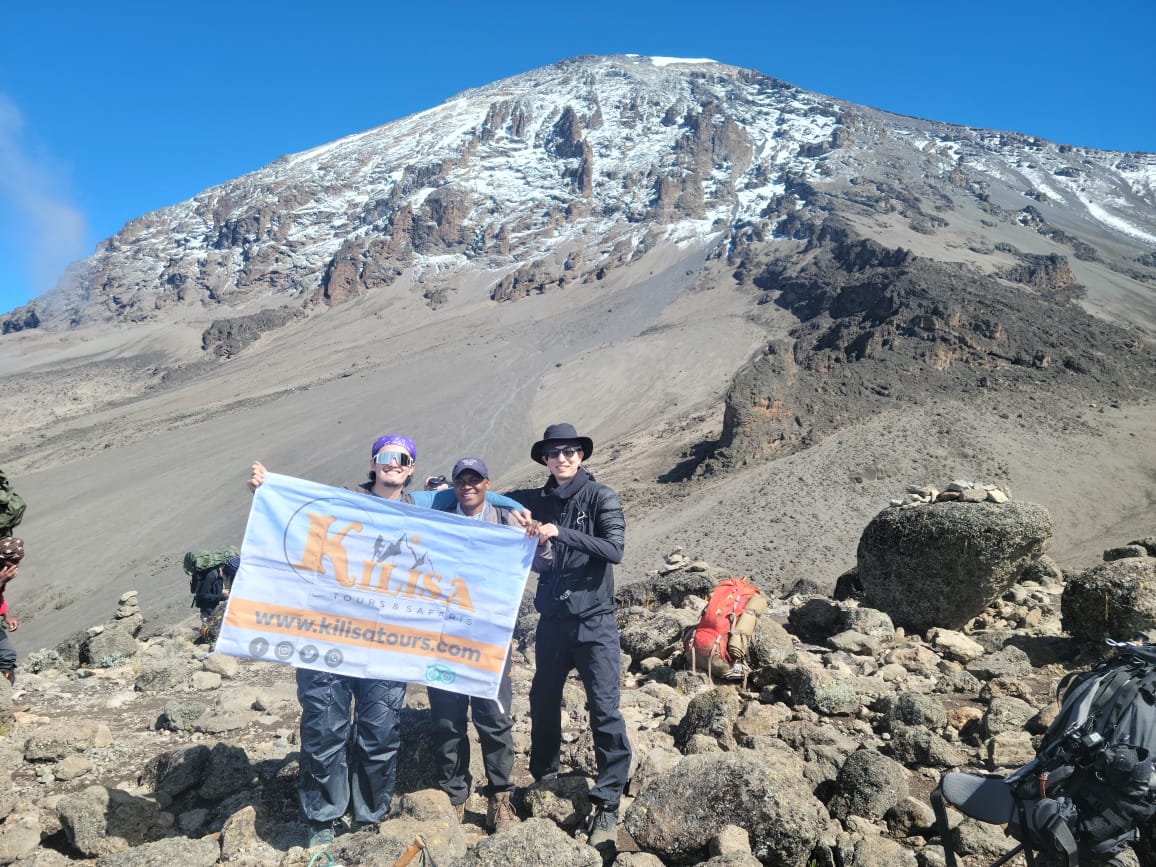
Every route teaches you something different
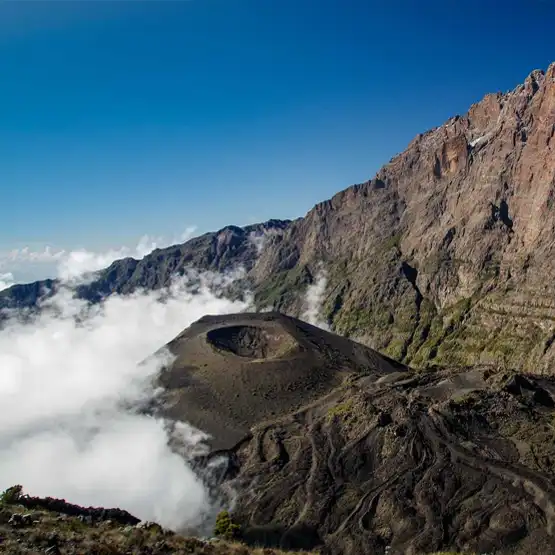
I’ve guided Machame, Lemosho, Marangu, Rongai, and Umbwe more times than I can count. Each one feels like a different mountain. Machame climbs steep and scenic. Lemosho stays quiet and wild for longer. Marangu offers hut accommodation, which surprises first-timers who expect to camp the whole way. None of these routes is “the easy one.” They’re just different kinds of hard.
The summit night changes people
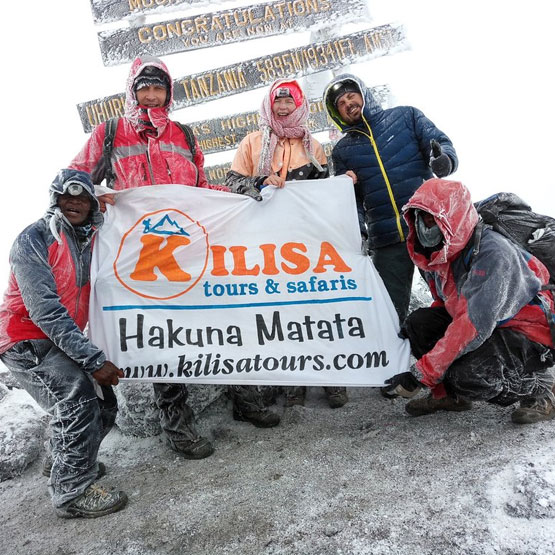
Nothing prepares climbers for summit night the way I wish it could. You leave camp at midnight. The cold bites through every layer. The switchbacks feel endless in the dark. Then the sun rises over Mawenzi, and I watch faces shift from exhaustion to something close to disbelief. I’ve seen that moment hundreds of times. It never gets old.
Small groups climb better than big ones
I’ve guided solo climbers and groups of twelve. Smaller groups pace better. They eat better. They support each other honestly, instead of performing toughness for an audience. If I could change one thing about how people book Kilimanjaro trips, I’d tell them to travel smaller.
The Challenges Nobody Talks About
Altitude doesn’t care about fitness
This is the lesson I repeat most. I’ve watched marathon runners turn back at 4,500m. I’ve watched sixty-year-old first-time hikers reach the summit with ease. Altitude sickness has almost nothing to do with gym fitness. It has everything to do with pace, hydration, and how honestly a climber reports their symptoms.
Weather shifts faster than clients expect
Kilimanjaro builds its own weather. A clear morning can turn to sleet by afternoon. I’ve guided climbers through hail on the Shira Plateau in what started as a sunny day. Good gear isn’t optional here — our what to take guide exists because I’ve seen underprepared climbers suffer for it.
The hardest part of my job isn’t physical
Turning a client around before the summit is the hardest call I make. It’s not a medical decision alone — it’s a trust decision. Climbers want to push through symptoms. My job is knowing when “I’m fine” isn’t true, and acting on it anyway. I’ve made that call more times than I’d like, and I’d make it again every time.
Short itineraries push people past their limits
Six-day climbs sell well because they’re cheaper and faster. But I’ve watched far more climbers struggle on six-day routes than on seven- or eight-day versions. Extra acclimatization days aren’t a luxury add-on. They’re the difference between summiting and turning back.
Lessons That Changed How I Guide
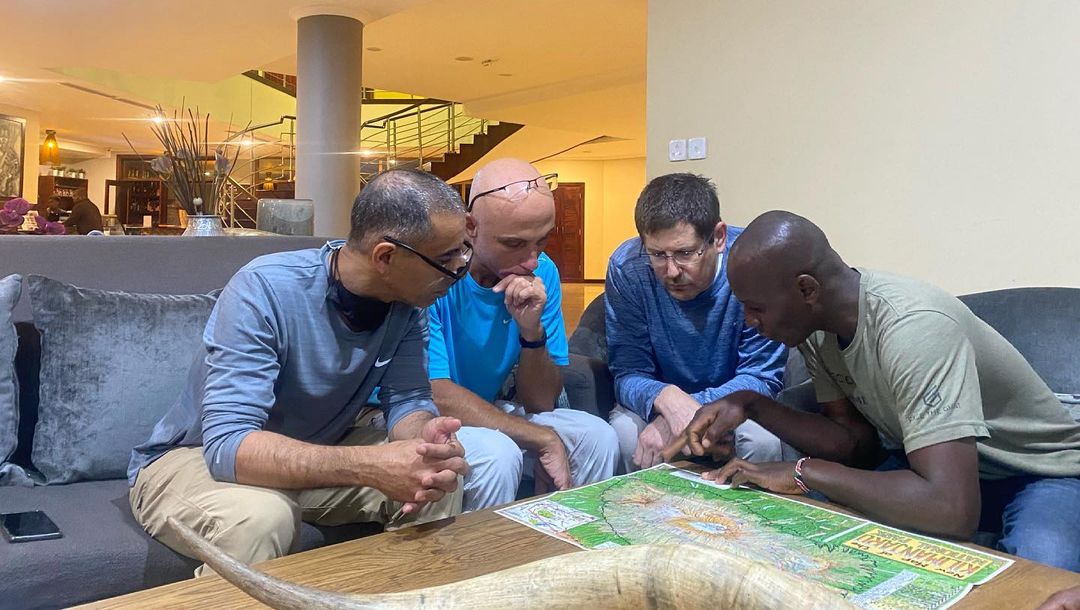
Slow pace beats strong legs
“Pole pole” — slowly, slowly — isn’t a cliché guides repeat for fun. It’s the single biggest factor in who reaches the top. I’ve learned to physically hold back strong hikers early in the climb, because early speed almost always costs them on summit night.
Preparation off the mountain matters as much as fitness
The climbers who do best aren’t always the fittest. They’re the ones who read our immunization and medical kit guidance, sort proper travel insurance in advance, and show up with realistic expectations instead of Instagram-shaped ones.
Trust between climber and guide decides the outcome
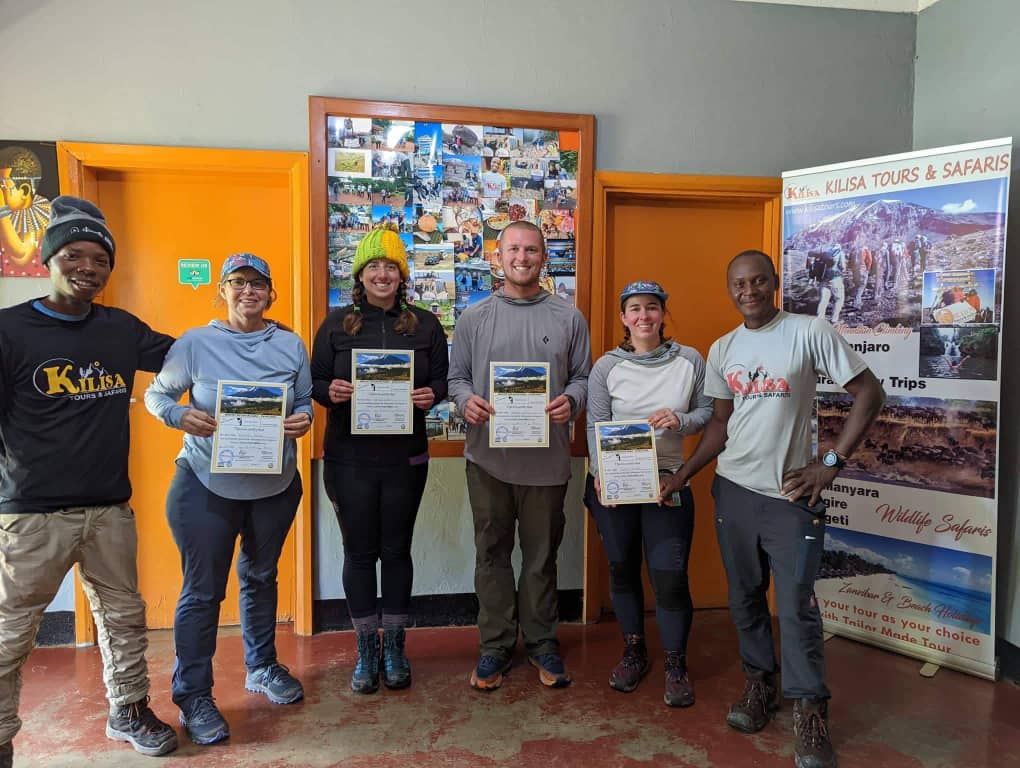
I’ve learned that climbers who speak honestly with their guide — about headaches, appetite, sleep — do better than climbers who stay quiet to seem strong. Building that trust starts on Day 1, not at 5,000m when it matters most.
Combining the climb with a safari changes the whole trip
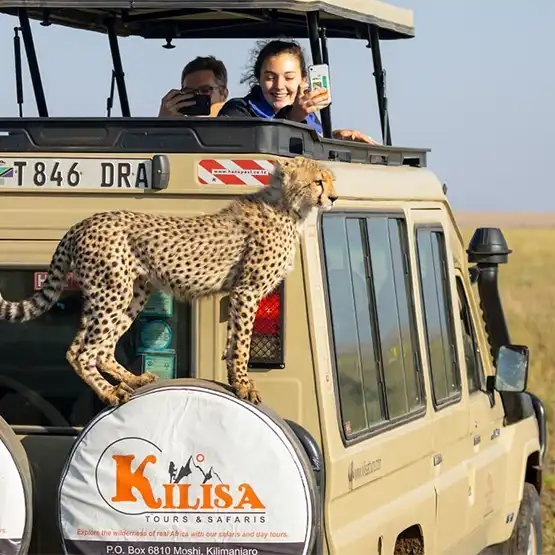
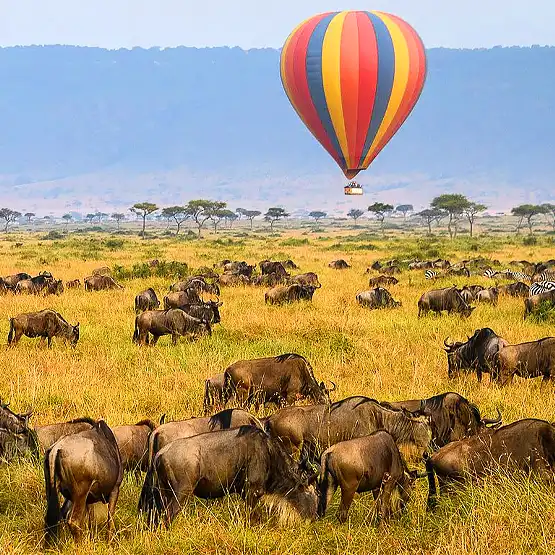
Guides notice something clients rarely expect: descending Kilimanjaro straight into a safari gives the body and mind a proper reset. I recommend it often, not as an upsell, but because I’ve watched it genuinely improve how people remember the whole trip.
Final Word
Guiding Kilimanjaro has taught me more about patience than any other part of my life. The mountain rewards honesty, preparation, and slow, steady pace over raw fitness or ambition. That’s the version of this climb I want every guest to hear before they book, not after they’re standing at Barafu Camp wondering why no one told them sooner.
If you need guidance, happy to help. Get in touch with our team and we’ll help you choose the right route, pace, and preparation for your Kilimanjaro climb.