One extra day on Kilimanjaro sounds small on paper. It isn’t. That single day often decides whether a climber reaches Uhuru Peak feeling strong, or turns back short of the summit. Here’s what actually changes between a 7-day and 8-day itinerary.
What Changes With One More Day
More time to acclimatize
Altitude sickness builds gradually, not suddenly. An extra day gives your body more time to adjust to thinning air before you push toward the summit. Most 8-day itineraries add this day at a strategic point — often before the final ascent — rather than spreading it evenly across the whole climb.
A gentler daily pace
Compressing the same distance into fewer days means longer, harder days on the trail. Spreading it across 8 days instead of 7 gives you shorter walking days and more rest between exertion. Climbers consistently report feeling less exhausted heading into summit night on the longer version.
A meaningfully higher success rate
This is the number that matters most. Climbers on 8-day itineraries reach the summit more often than climbers on 7-day versions of the same route. The difference isn’t dramatic on any single day, but it compounds — better sleep, better appetite, and better oxygen adjustment add up by summit night.
Comparing the Routes
Machame: 7 Days vs 8 Days
Our 7-day Machame route is a solid, well-tested itinerary. Our 8-day Machame route adds an acclimatization day at Karanga Camp, which noticeably eases the push toward Barafu before summit night. If you’re already choosing Machame, this is the upgrade we recommend most often.
Lemosho: 7 Days vs 8 Days
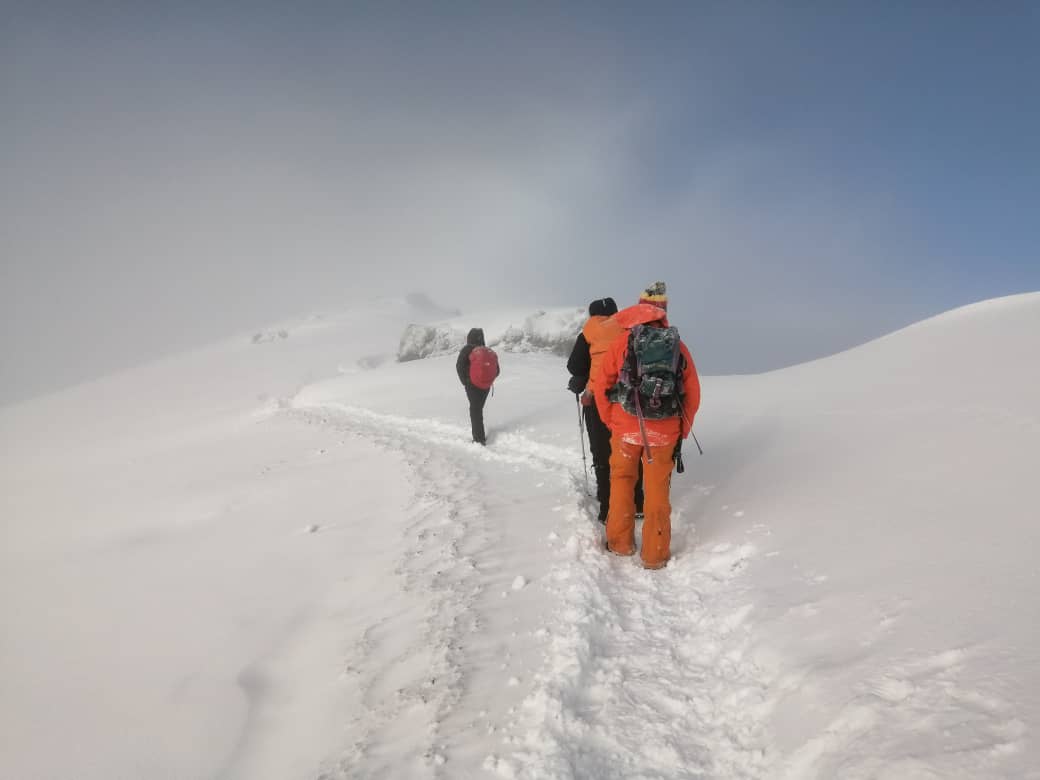
Lemosho already runs slightly longer than Machame by design. Our 7-day Lemosho route is a strong option on its own, but the 8-day crater version adds a night camping inside the crater near the summit — a genuinely rare experience most climbers never get to have.
Does the Extra Cost Make Sense?
An extra day means an extra park fee, an extra night of guide and porter wages, and an extra day of food and camping costs. It adds real money to your trip. But measured against the odds of actually reaching the summit after flying to Tanzania, training for months, and taking time off work, most climbers find the extra cost is the cheapest insurance policy on the whole trip.
Who Should Stick With 7 Days?
Very fit, experienced high-altitude climbers with a proven history of adjusting well can do well on a 7-day itinerary. If that’s not your situation — and for most first-time Kilimanjaro climbers, it isn’t — the extra day is worth the investment.
Either way, preparation matters beyond the itinerary itself. Check our what to take guide and make sure your health prep is sorted well before you fly out.
One extra day on Kilimanjaro rarely changes the scenery much. It changes your odds. For most climbers, that trade-off is worth making.
If you need guidance, happy to help. Get in touch with our team and we’ll help you choose the itinerary length that fits your fitness, budget, and summit goals.