Good safari advice rarely comes from a brochure. It comes from years on the road, watching what actually makes a trip work — and what quietly ruins one. Here are five lessons we’ve learned from real experience, not theory.
1. Don’t Underestimate the Distances
Tanzania isn’t a small country. Many first-time travelers plan their trip like they’re island-hopping, when in reality, drive time between parks can eat up half a day.
Arusha to central Serengeti takes 6-7 hours. Add Ngorongoro or Tarangire to the same trip, and the road time adds up fast. This isn’t a reason to skip these parks — it’s a reason to plan your route with realistic pacing. Check our Tanzania destinations guide before you lock in a tight, overpacked itinerary.
The fix: build in fewer stops with more days each, not more stops with less time at every one.
2. Vehicle Quality Matters More Than People Expect
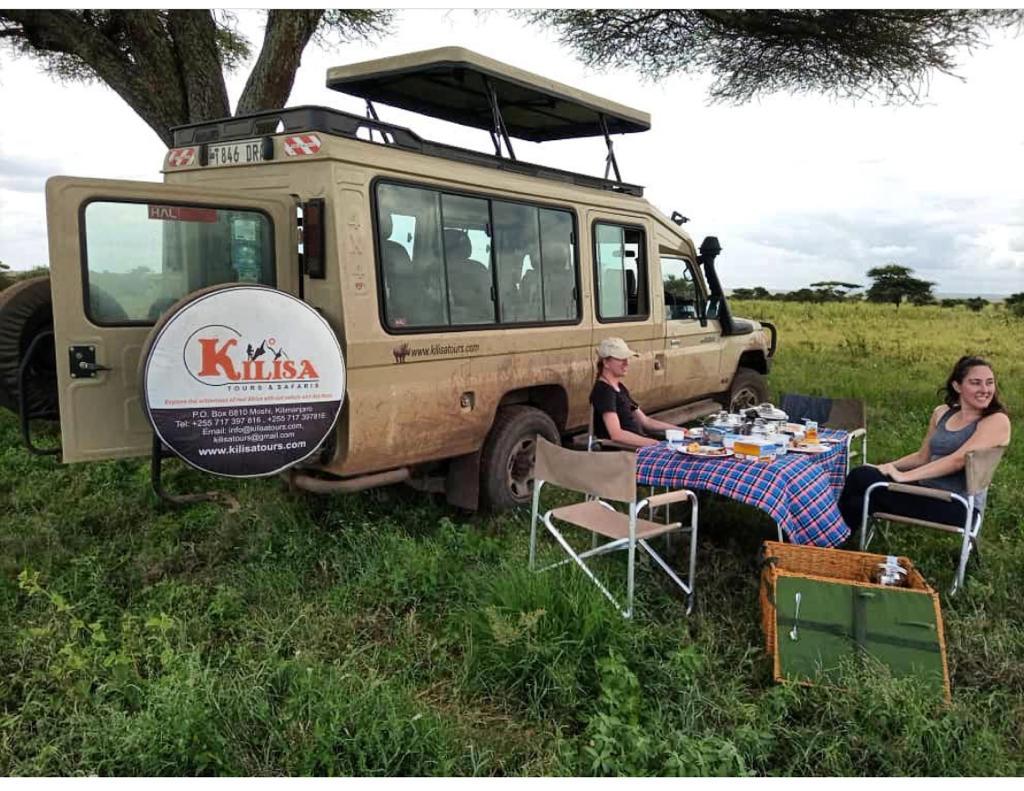
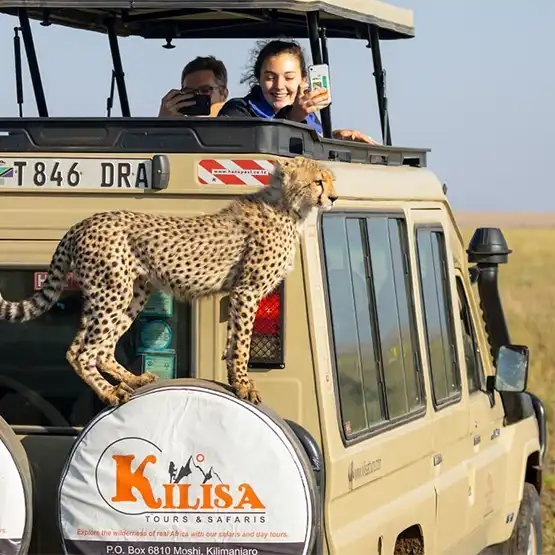
A proper safari jeep changes the entire experience. Pop-up roofs, full window access, and a high, stable chassis let you see and photograph wildlife properly — without leaning over strangers or missing the shot entirely.
We’ve seen travelers book with operators running old minivans or poorly maintained vehicles, only to spend their safari uncomfortable and frustrated. Our safari vehicle page explains exactly what to look for, and what to ask your operator before you book.
The fix: always ask what vehicle you’ll be riding in, not just what lodge you’ll sleep in.
3. Guide Quality Decides Whether Your Safari Is Good or Great
The single biggest difference between an average safari and an unforgettable one is the guide. A great guide reads animal behavior, communicates with other vehicles over radio, and knows exactly where to be at the right time of day.
We’ve watched two groups visit the same park on the same day, with wildly different experiences — purely based on who was driving and reading the landscape. Our driver-guides page covers how we select and train ours.
The fix: ask about guide experience and training directly. It matters more than almost any other factor.
4. Be Careful With “Too Cheap” Offers
Tanzania’s park fees are high on their own, before you add vehicles, fuel, guides, food, or camping fees. When a quote comes in far below the market rate, something is being cut — usually vehicle quality, guide experience, food, or safety margins.
Comparing a budget camping safari, a mid-range option, and a luxury safari side by side helps you understand where the real cost differences come from — and spot when a “deal” doesn’t add up.
The fix: ask what’s included in the price, line by line, before you compare numbers.
5. Plan Around the Seasons, Not Just Your Calendar
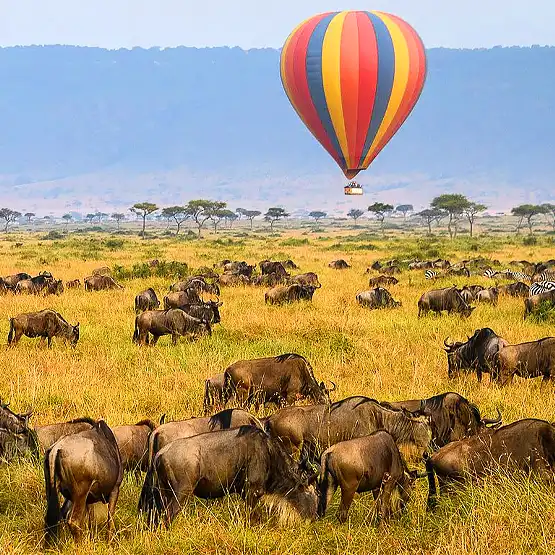
Wildlife doesn’t follow a fixed schedule. The wildebeest migration moves with rainfall, not the month on a calendar. Dry season brings easier road conditions and reliable water-hole sightings. Wet season brings lush scenery, newborn animals, and fewer crowds — but also muddier roads.
Our best time to go on safari guide breaks this down month by month, so you can match your travel dates to what you actually want to see.
The fix: tell your operator what you most want to experience — migration, calving season, fewer crowds — and let that drive your dates, not the other way around.
Final Word
None of this advice is complicated. But it’s the kind of detail that only shows up after years of running trips, not from a single glance at a brochure. Getting these five things right is often what separates a good Tanzania safari from a great one.
If you need guidance, happy to help. Get in touch with our team and we’ll help you plan a safari that avoids these common pitfalls from day one.