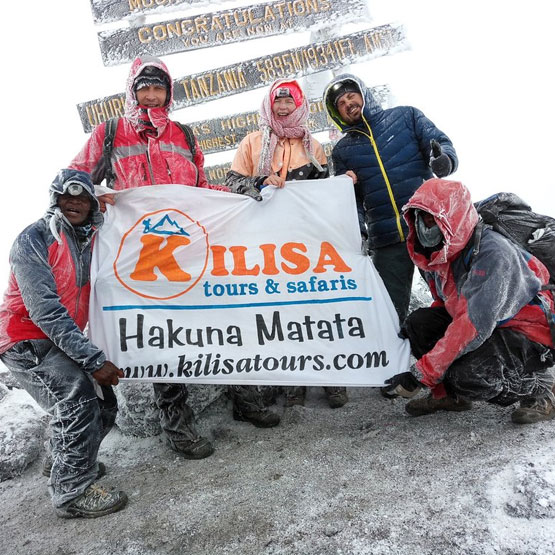
Learning how to train for Kilimanjaro is the single best investment you can make before your climb. Mount Kilimanjaro doesn’t require ropes, technical climbing skills, or mountaineering experience — but it does demand a body and mind that are ready for six to eight days of sustained walking at altitude. Most climbers who turn back do so not because the terrain was too technical, but because they underestimated the physical toll of altitude and long trekking days. The good news is that with the right preparation, most reasonably fit people can reach the summit successfully.

At Kilisa Tours & Safaris, we’ve guided climbers of every fitness level up the mountain, and we’ve seen exactly what separates those who summit comfortably from those who struggle. Here’s our complete guide on how to train for Kilimanjaro, covering physical conditioning, altitude acclimatization, and the mental preparation that ties it all together.
Why Training Matters More Than Raw Fitness
You don’t need to be a marathon runner to summit Kilimanjaro, but you do need endurance built for repetitive, multi-hour days on your feet, often at a steady incline. Learning how to train for Kilimanjaro properly means shifting your focus away from short, intense workouts and toward long, sustainable effort — the same kind of stamina you’ll need on summit night when you’re walking for 7–8 hours straight in the dark and cold.
Building Your Cardiovascular Base
Start at least 3–4 months before your climb. Aim for:
- 3–4 cardio sessions per week (hiking, running, cycling, or swimming)
- One long hike or walk each week, gradually increasing distance and elevation gain
- Stair climbing or hill repeats to mimic sustained ascent
Strength Training for the Descent
Many climbers focus entirely on going up and forget that the descent is where knees and quads take the real punishment. Add:
- Squats and lunges to build quad and glute strength
- Step-ups with a weighted pack to simulate trail conditions
- Core work to support your posture under a daypack for hours at a time
Practice Hikes with a Loaded Pack
Nothing prepares you for Kilimanjaro like time on your feet with a pack on your back. If you’re serious about how to train for Kilimanjaro, schedule back-to-back practice hikes on weekends to simulate consecutive trekking days, and always break in your boots on these hikes rather than on the mountain itself.
Understanding Altitude and Acclimatization
No amount of gym training fully prepares your body for altitude — acclimatization happens on the mountain itself, and it’s largely about pace and route choice, not fitness level. This is why “climb high, sleep low” is the golden rule of any Kilimanjaro itinerary, and why longer routes have significantly higher success rates than shorter ones. For general reference on how altitude affects the body, the CDC’s guidance on altitude illness is a useful primer before you travel.
Choosing a Route That Supports Acclimatization
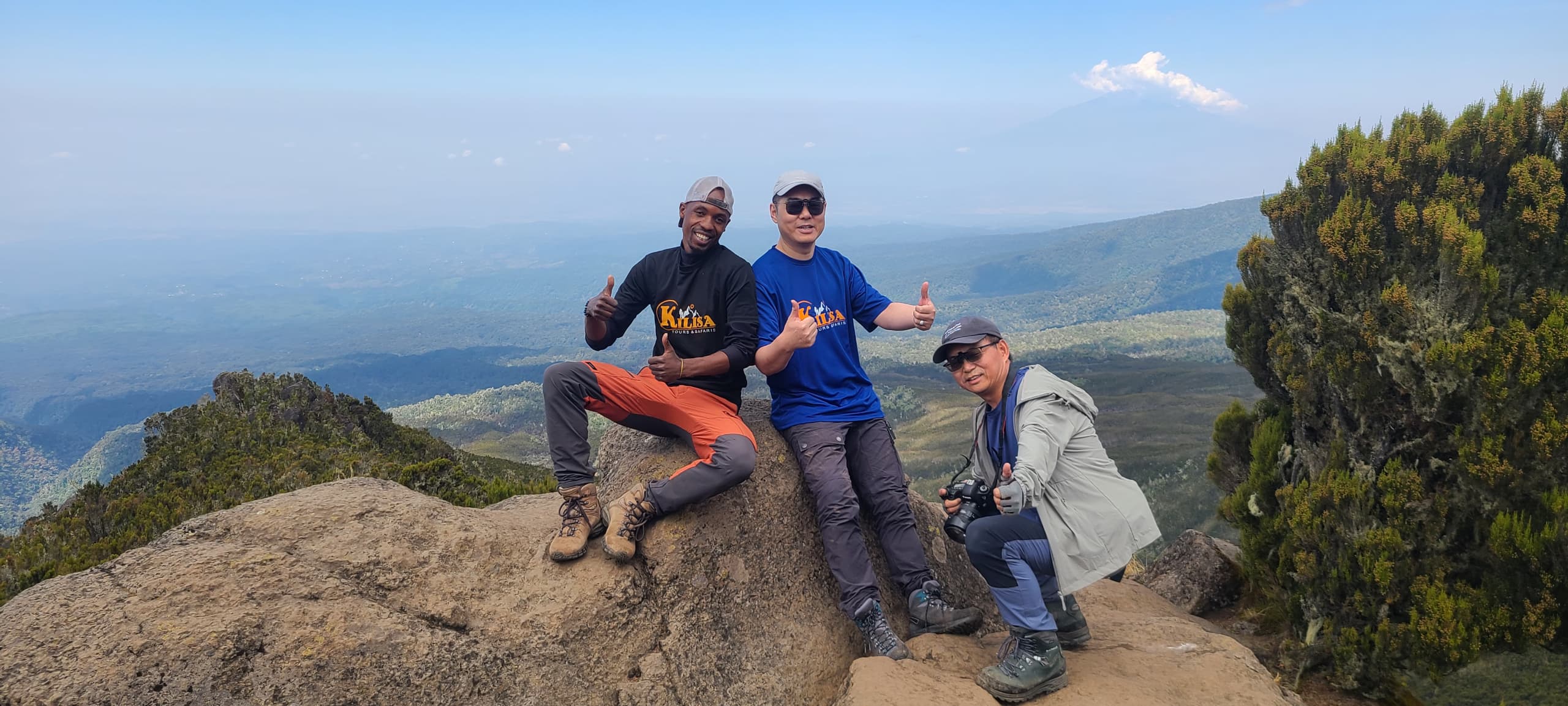
Your route choice is one of the most important altitude decisions you’ll make. Longer, more gradual routes like the Lemosho Route and Machame Route allow more days for your body to adjust, while shorter options like the Marangu Route or Rongai Route move faster and demand stronger pre-trip conditioning. Browse all of our Kilimanjaro climbing routes to find the itinerary that matches your fitness and timeline.
Recognizing and Managing Altitude Symptoms
Mild headaches, fatigue, and reduced appetite are common above 3,000 meters and usually resolve with slower pacing, hydration, and rest. Our guides monitor every climber daily and know when to slow the pace, and our immunization and medical kit guide covers what to carry and discuss with your doctor before departure, including preventive medication some climbers choose to use.

Mental Preparation: The Overlooked Half of Training
Summit night is as much a mental challenge as a physical one. Cold, darkness, fatigue, and thinning air combine to test your resolve in a way no gym session can fully replicate. Part of how to train for Kilimanjaro successfully is mental: visualize the hardest moments in advance, break the climb into small milestones rather than fixating on the summit, and trust the pace your guides set — “pole pole” (slowly, slowly) is the most important phrase you’ll learn on the mountain.
Timing Your Preparation Around Your Trip
Your training timeline should also account for when you’re climbing. Check our guide to the best time to go so you can plan your final conditioning weeks around expected weather on your chosen route, and review our what to take packing guide so your gear is broken in and ready alongside your body.
Protecting Your Investment
All the training in the world should be paired with the right safety net. Comprehensive travel insurance covering high-altitude trekking and emergency evacuation is essential, and we recommend reading our travel insurance guide before you book your flights.
Let Kilisa Tours Help You Prepare the Right Way
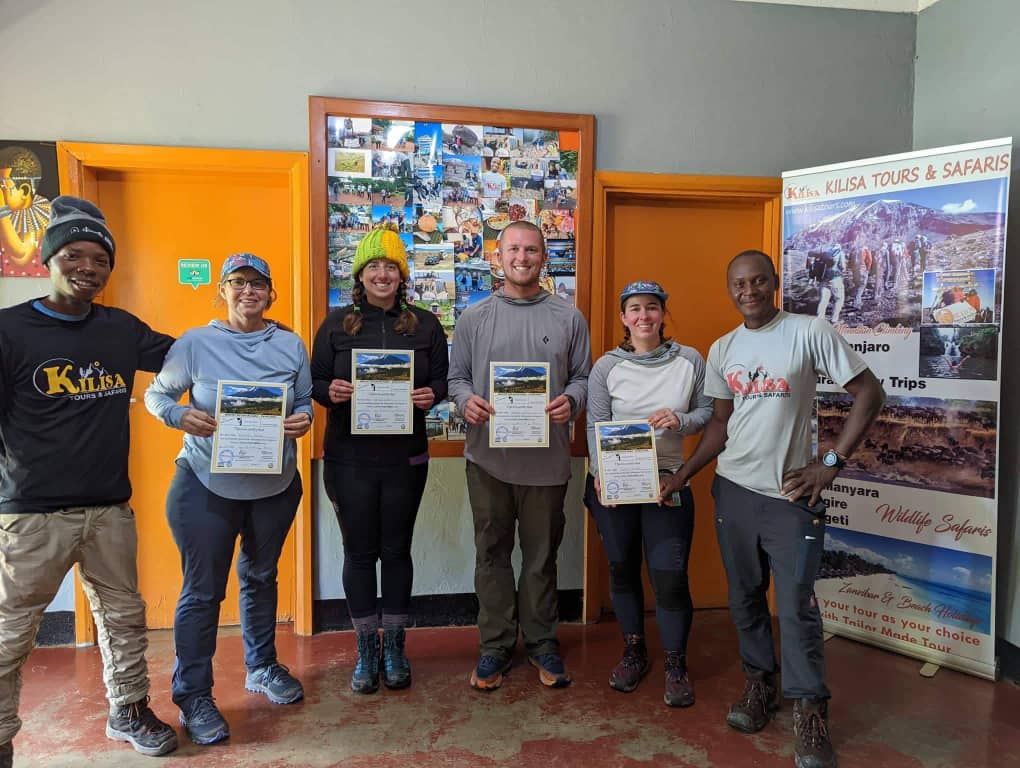
Figuring out how to train for Kilimanjaro on your own can feel overwhelming, but our team is here to help every step of the way. From choosing the route that best matches your fitness level to briefing you on what to expect day by day, we make sure you arrive at the gate prepared, confident, and ready to enjoy the climb rather than just endure it.
Whether you’re drawn to the classic Machame Route, the scenic Lemosho Route, or want a tailor-made itinerary built around your fitness and schedule, our experienced guides are ready to get you to Uhuru Peak.
Contact Kilisa Tours & Safaris today and let’s build a training plan and itinerary that gets you to the top — the mountain is waiting.
Want more tips like this? Visit our blog for more guides, or learn more about us and why climbers trust Kilisa Tours & Safaris to prepare them for the climb of a lifetime.