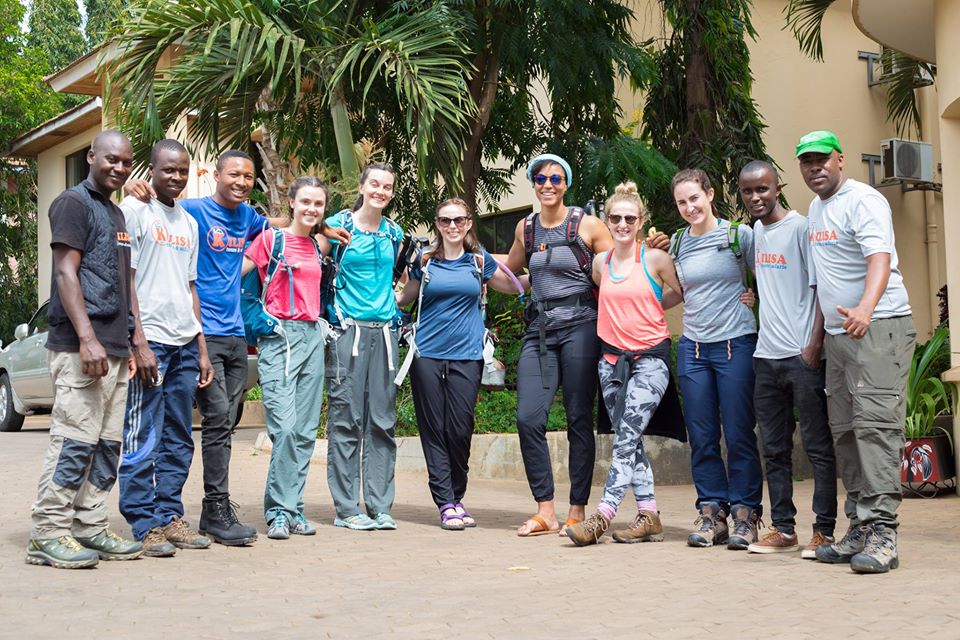
Standing on the Roof of Africa is one of the most rewarding experiences a traveler can have, but Mount Kilimanjaro doesn’t hand out its summit certificates for free. A solid Kilimanjaro packing list is the difference between a miserable trek and an unforgettable one. Between the humid rainforest at the gate and the arctic winds at Uhuru Peak, you’ll pass through five distinct climate zones in a matter of days, and the single biggest reason climbers turn back before the top isn’t fitness — it’s being cold, wet, or wearing the wrong boots. The good news? With the right gear and a smart layering system, you can stay warm, dry, and focused on putting one foot in front of the other.

At Kilisa Tours & Safaris, we’ve guided climbers up every major route on the mountain, and we’ve seen firsthand what separates a smooth summit from a struggle. This Kilimanjaro packing list breaks down exactly what to pack, layer by layer, so you can summit with confidence.
Why Layering Matters More Than Any Single Jacket
Kilimanjaro isn’t just cold at the top — it’s a mountain of contrasts. You’ll sweat through the Machame Gate rainforest in a t-shirt, then need a down jacket, hat, and gloves just a few days later at Barafu Camp. The trick isn’t buying one “miracle” jacket. It’s building a system of layers you can add and remove as the terrain and temperature change hour by hour. Let’s go through the essentials of any good Kilimanjaro packing list one layer at a time.
Layer 1: Base Layers (Moisture Management)
Your base layer sits against your skin and its only job is to move sweat away from your body. Choose merino wool or synthetic technical fabrics — never cotton, which holds moisture and chills you fast once you stop moving. Pack:
- 2–3 lightweight long-sleeve thermal tops
- 2–3 thermal leggings/bottoms
- A good moisture-wicking sports bra or base for warmer sections
Layer 2: Insulating Mid-Layers (Trapping Warmth)
This layer traps the heat your body generates. Fleece jackets and lightweight down or synthetic-fill sweaters work best here because they’re warm without being bulky. Bring at least one fleece and one insulated jacket you can wear together on summit night.
Layer 3: Outer Shell (Wind & Waterproof Protection)
Weather on Kilimanjaro can shift in minutes. A waterproof, windproof jacket and pants (ideally with taped seams) are non-negotiable, especially through the moorland and alpine desert zones where wind chill bites hard.
Layer 4: Summit Night Gear
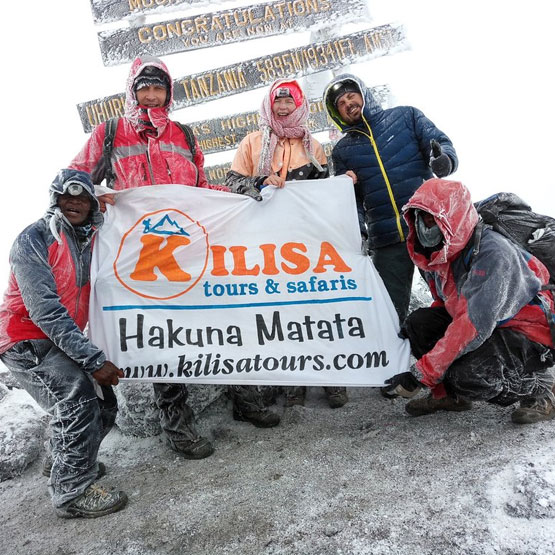
Summit night starts around midnight and temperatures can drop below -15°C (5°F). This is where your down jacket, insulated gloves (plus a thin liner pair), a warm beanie, and a balaclava or neck gaiter earn their keep. Don’t skimp here — this is the layer that gets you to Uhuru Peak. For reference on how cold conditions can get at altitude, the NOAA wind chill chart is a useful benchmark when choosing insulation ratings.
Footwear: The Backbone of Your Kilimanjaro Packing List
Blisters and cold feet have ended more summit attempts than altitude sickness. Invest in:
- Broken-in, waterproof hiking boots with ankle support
- Thick wool hiking socks plus liner socks to prevent blisters
- Gaiters to keep scree and snow out of your boots
- Comfortable camp shoes or sandals for evenings
Never attempt Kilimanjaro in brand-new boots. Break them in on local trails for at least a few weeks before your trip.

Other Essentials Not to Forget
- A 4-season sleeping bag rated to at least -10°C to -15°C
- Trekking poles to protect your knees on the descent
- A headlamp with spare batteries for summit night
- Sunglasses and high-SPF sunscreen — equatorial UV is intense even in the cold
- A hydration system or water bottles, plus water purification tablets
- A daypack for daily essentials and a duffel bag for porters to carry
For a full, printable checklist covering every item down to the last accessory, take a look at our detailed What to Take guide and our complete packing list. We also recommend reviewing our notes on trekking and safari equipment and the health precautions in our immunization and medical kit guide before you fly. The Tanzania National Parks Authority also publishes official park entry and conservation guidelines worth a quick read before you travel.
Timing Your Climb Changes What You Pack
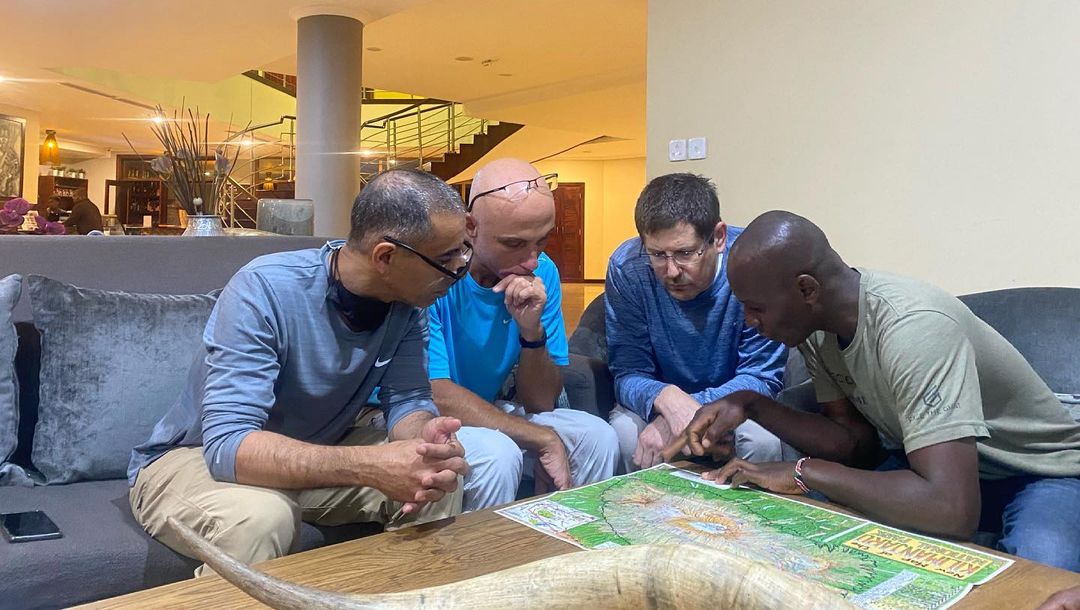
What goes on your Kilimanjaro packing list also depends on when you climb. The dry seasons (January–March and June–October) generally mean less rain gear is needed but colder nights, while the wetter months call for more robust waterproofing. Check out our breakdown of the best time to go to plan your gear list around your travel dates.
Choosing the Right Route Changes What You’ll Need
Your packing list can shift slightly depending on your route and trip length. Longer, more scenic routes like the Lemosho Route and Machame Route mean more days on the mountain and more layers to manage across changing weather, while shorter options like the Marangu Route or the Rongai Route call for a slightly more compact kit. Not sure which path suits your fitness level and schedule? Explore all of our Kilimanjaro climbing packages to find your fit.
Travel Insurance and Peace of Mind
No Kilimanjaro packing list is complete without the right paperwork. Comprehensive travel insurance that covers high-altitude trekking and emergency evacuation is essential on Kilimanjaro. Read our guide on travel insurance for your climb before you book your flights.
Let Kilisa Tours Take the Guesswork Out of Your Climb
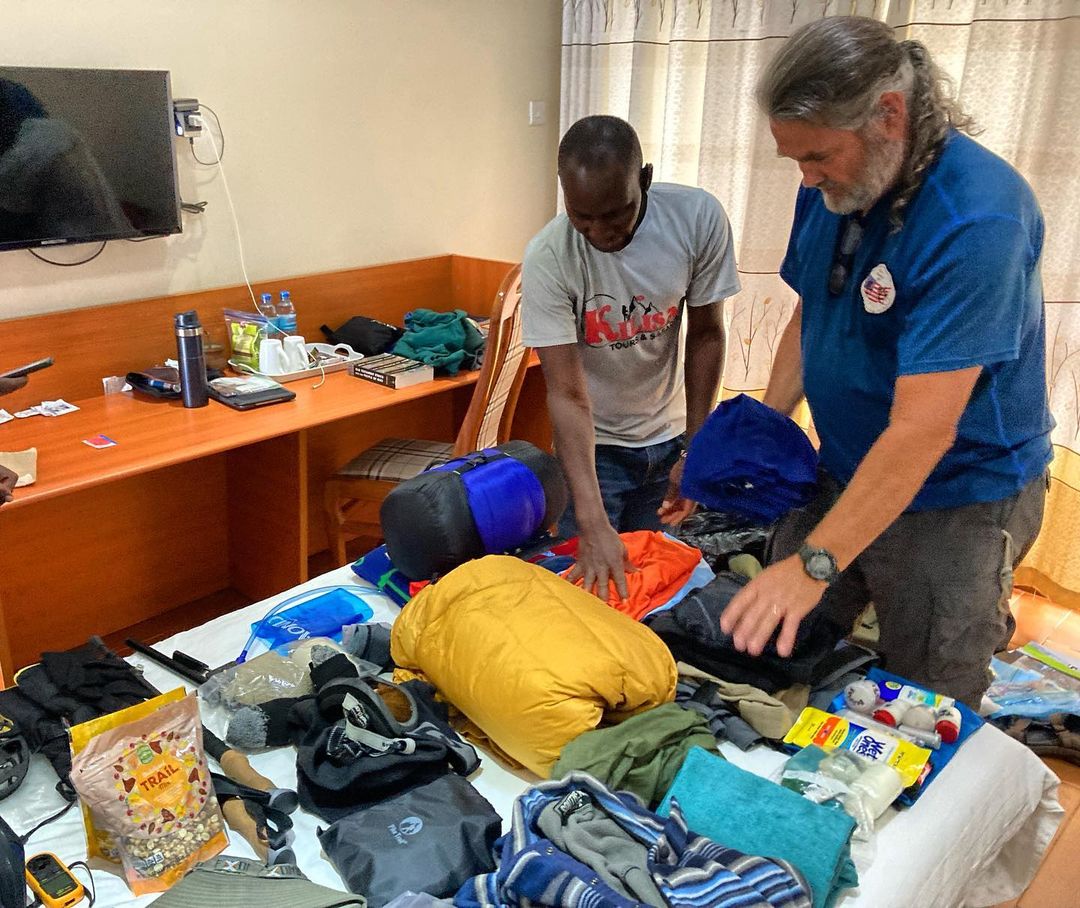
Packing for Kilimanjaro can feel overwhelming, but you don’t have to figure it out alone. Our experienced guides brief every climber before departure, help you double-check your kit at the gate, and make sure nothing critical gets left behind. We’ve walked this mountain more times than we can count, and we know exactly what works — and what doesn’t — in every season and on every route.
Whether you’re dreaming of the classic Machame Route, the scenic Lemosho Route, or want a tailor-made itinerary built entirely around you, our team is ready to help you plan a climb you’ll remember for the rest of your life.
Contact Kilisa Tours & Safaris today and let’s start planning your Kilimanjaro adventure — the right gear is just the first step, the summit is the rest of the story.
Want to read more travel tips like this? Visit our blog for more guides, or learn more about us and why climbers trust Kilisa Tours & Safaris to get them to the top.