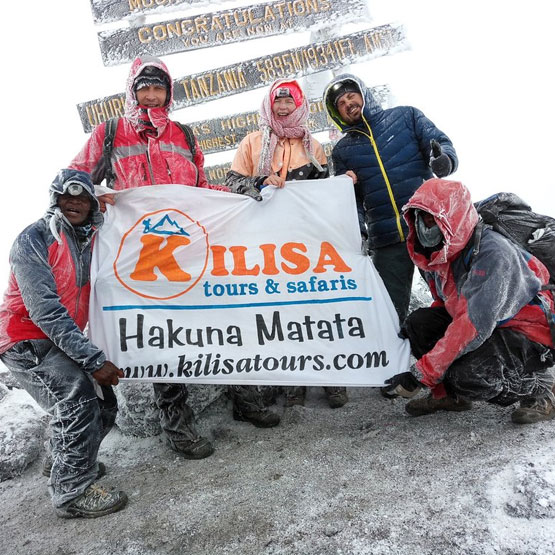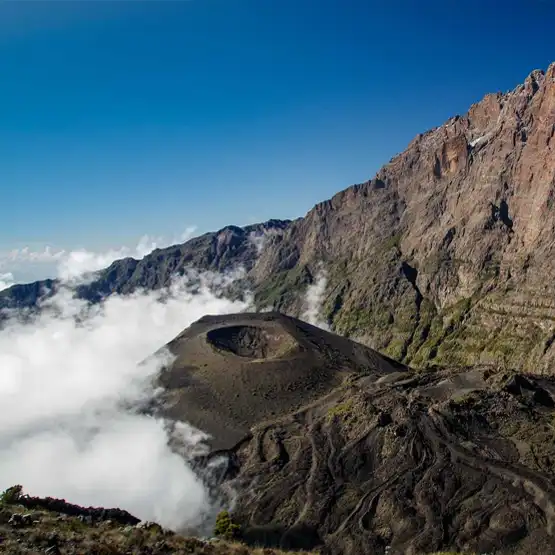
If you’re planning to climb Mount Kilimanjaro, you’ve probably already come across two names again and again: Lemosho and Machame. They’re the two most popular routes up Africa’s highest peak, and for good reason — both deliver incredible scenery, well-established trails, and strong summit success rates. But if reaching Uhuru Peak is your top priority, the route you choose can make a real difference. So let’s settle the question: which route gives you the better odds of standing on the Roof of Africa?
At Kilisa Tours and Safari, we’ve guided climbers up both routes for years, and we want to give you an honest, experience-based comparison so you can choose with confidence — not guesswork.
The Short Answer
Both the Lemosho Route and the Machame Route are excellent choices, but if we’re talking pure statistics, Lemosho generally edges out Machame when it comes to summit success rate. The reason comes down to one simple factor: time on the mountain, and how gradually your body gets to adjust to altitude.
That said, the gap isn’t as wide as some climbers assume, and the route itself is only part of the story. Here’s how the numbers typically compare by itinerary length:
| Route | Days on Mountain | Typical Summit Success Rate |
|---|---|---|
| Machame | 6 Days | ~85–88% |
| Machame | 7 Days | ~88–92% |
| Lemosho | 6 Days | ~65–70% |
| Lemosho | 7 Days | ~85–90% |
| Lemosho | 8 Days | ~90–95% |
Notice the pattern? It’s not really about which route — it’s about how many days you give your body to acclimatize. Let’s break down each route in more detail.
Lemosho Route: The Gentle Giant
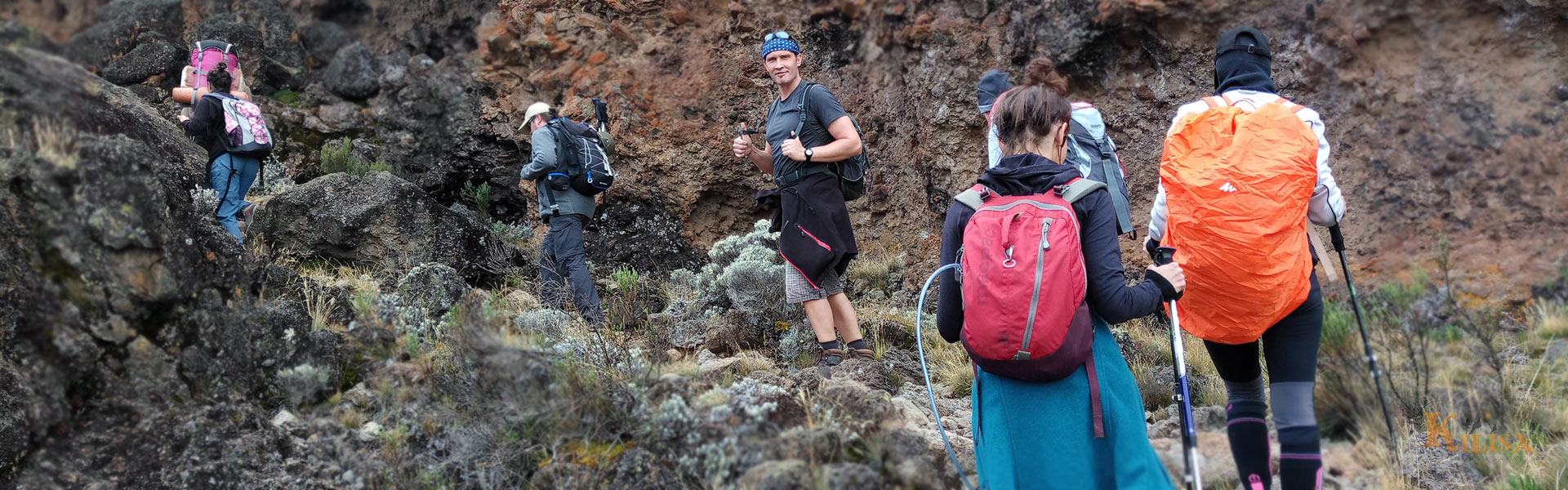
The Lemosho Route approaches Kilimanjaro from the west, starting at Londorossi Gate before winding through untouched rainforest and across the dramatic Shira Plateau. It’s longer than Machame — typically 7 to 8 days — and that extra time is exactly why it performs so well.
With more days on the mountain, your body gets a longer, more gradual exposure to altitude, particularly through the critical 3,500m–4,200m zone where altitude sickness most commonly strikes. This “low and slow” approach is one of the most effective strategies for successful acclimatization on any high-altitude trek.
On an 8-day itinerary, Lemosho climbers consistently report summit success rates in the 90% range, and some well-paced groups report even higher. It’s also one of the most scenic routes on the mountain, with sweeping views of the Shira Plateau and the Western Breach that you simply won’t get on shorter, more direct trails.
We offer several Lemosho itineraries depending on how much time you have and how much acclimatization buffer you want:
- 6 Days Lemosho Route
- 7 Days Lemosho Route
- 8 Days Lemosho Route
- 8 Days Crater Lemosho Route
- 9 Days Crater Lemosho Route
Machame Route: The Whiskey Route
The Machame Route is Kilimanjaro’s most popular path to the top, nicknamed the “Whiskey Route” for its reputation as a tougher, more demanding climb compared to the easier Marangu Route. It approaches from the south, climbing through rainforest, moorland, and alpine desert before joining the same summit push as Lemosho via Barafu Camp.
Machame is typically completed in 6 to 7 days. The trail gains altitude a little faster in the early days, which is part of why its success rate, while still strong, tends to sit a notch below Lemosho’s — especially on the shorter 6-day version. A well-paced 7-day Machame climb with an experienced guide can still produce excellent results, often comparable to Lemosho, but the margin for error is smaller.
What Machame lacks in extra acclimatization days, it makes up for in efficiency, dramatic scenery, and a slightly shorter time commitment — which makes it a favorite for climbers combining their trek with a safari.
Explore our Machame options:
- 6 Days Machame Route
- 7 Days Machame Route
- 8 Days Machame Route
- 8 Days Crater Machame Route
- 7 Days Machame Route (New Year Climb)
Why Extra Days Matter More Than the Route Itself
Here’s the insight that most articles gloss over: the single biggest factor in your summit success isn’t really “Lemosho vs Machame” — it’s how many days you spend acclimatizing, no matter which trail you’re on. A 6-day Machame and a 6-day Lemosho will have fairly similar success rates. Add a day to either, and your odds climb significantly. Add two, and they climb further still.
This is why we always encourage climbers — especially first-timers — not to choose the shortest itinerary just to save a day or two. Your body needs time to adjust to thinning air, and rushing the process is the single most common reason climbers turn back before the summit.
Other Factors That Affect Your Success Rate
Route choice and trip length matter, but they’re not the whole picture. A few other things make a real difference:
- Guide experience — Our professional guides are trained to monitor altitude symptoms closely and adjust pace accordingly.
- Physical preparation — A reasonable level of fitness before you arrive goes a long way.
- Hydration and nutrition — Our on-mountain meals are designed to keep your energy up throughout the climb.
- Proper gear — Check our packing checklist and equipment guide to make sure you’re prepared for the cold summit night.
- Health precautions — A look at our immunization and medical kit guidance is worth your time before any high-altitude trek.
So, Which Route Should You Choose?
Here’s a quick side-by-side summary to help you decide:
| Factor | Lemosho Route | Machame Route |
|---|---|---|
| Typical Duration | 7–8 Days | 6–7 Days |
| Summit Success Rate | Higher (especially over 8 days) | Strong, slightly lower |
| Acclimatization Profile | Gradual, gentle | Faster early ascent |
| Scenery | Remote, dramatic, Shira Plateau views | Varied — forest, moorland, alpine desert |
| Crowds | Quieter, especially first 3 days | Most popular route — busier |
| Best For | Climbers prioritizing summit odds and scenery | Climbers wanting a shorter trek or safari combo |
If your number one goal is the highest possible chance of reaching Uhuru Peak, and you have a bit more time and budget, Lemosho is the stronger statistical choice — particularly over 7 or 8 days. Its gentler gradient, longer acclimatization window, and quieter early trail make it a favorite among experienced operators for climbers who want the best odds.
If you’re working with a tighter schedule, want a slightly shorter trek, or are planning to combine your climb with a Tanzania safari, Machame remains an excellent and reliable option — especially at 7 days with a well-paced itinerary and experienced guides.
The honest truth? Neither route is a “wrong” choice. Both lead to the same summit, and both can deliver a life-changing experience when climbed properly. What matters most is choosing enough days, hiring guides who know how to manage your pace, and preparing your body before you arrive.
Combine Your Climb With a Safari
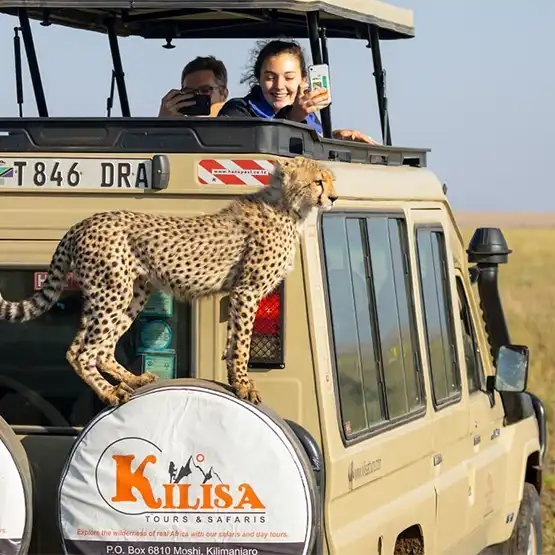
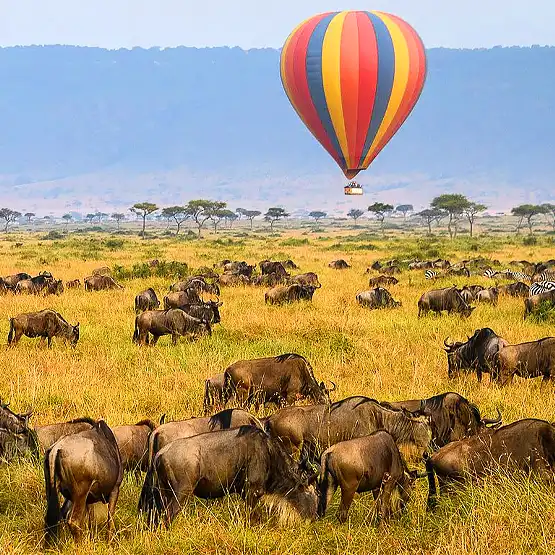
Many of our climbers don’t stop at the summit. Since you’re already in Tanzania, why not extend your adventure with a safari through the Serengeti, Ngorongoro Crater, or Tarangire? Check out our combined adventures:
- 10 Days Kilimanjaro Combine Tour
- 11 Days Kilimanjaro Combine Tour
- 11 Days Kilimanjaro Climb and Safari
Ready to Make the Climb?
Whichever route calls to you, the most important decision you can make is climbing with a team that knows the mountain inside and out. At Kilisa Tours and Safari, our experienced guides, well-paced itineraries, and genuine care for every climber’s safety are exactly why our climbers keep reaching the top.
Browse our full range of mountain trekking options, or get in touch with our team to plan your Kilimanjaro adventure today. Whether it’s Lemosho, Machame, or a custom itinerary built around your goals, we’re here to help you stand on the Roof of Africa.
Contact us today and let’s start planning your summit.