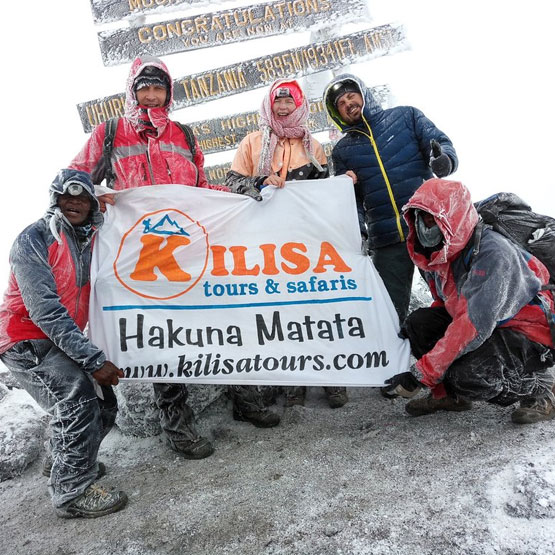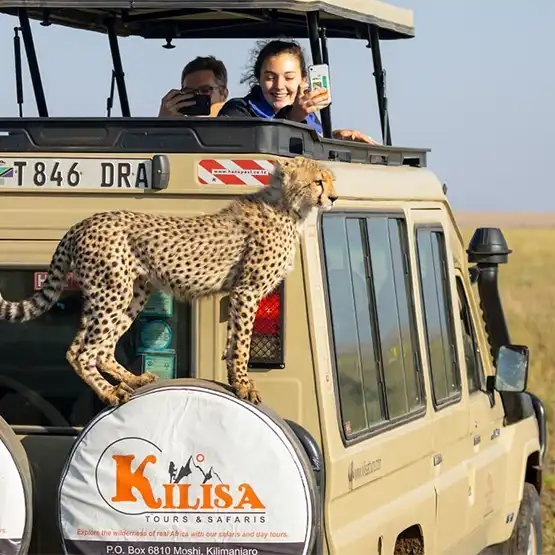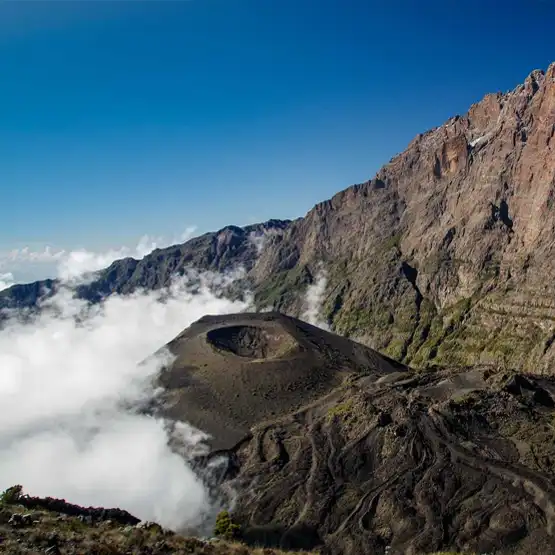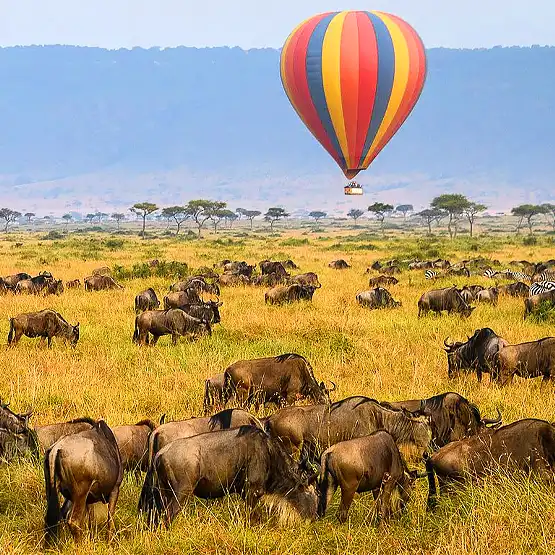
Picture a journey where the sky meets Africa’s highest peak, creating a mesmerizing spectacle. Climbing Mount Kilimanjaro is an unparalleled adventure that lures thousands of thrill-seekers every year. With its snow-capped summit rising majestically from the savanna, this dormant volcano offers a truly unique experience.
A Kilimanjaro climbing tour is not just about conquering the mountain; it’s about embracing the rich blend of terrains, from lush rainforests to alpine deserts. Over 35,000 people attempt this climb annually, enticed by both the challenge and the breathtaking vistas. Booking such a tour can connect you with experienced guides who turn your ascent into a well-orchestrated dance with nature, ensuring you make the most of this African adventure.
Kilimanjaro Climbing Tour: Booking for a Unique African Adventure
Kilimanjaro, the highest peak in Africa, offers an adventure like no other. Climbing this iconic mountain is a dream for many thrill-seekers. With Kilisa Tours, you can turn this dream into reality. Their expert guides ensure a safe and memorable experience. You’ll traverse diverse landscapes from lush forests to icy summits.
Booking a Kilimanjaro climbing tour requires careful planning. Choose a reliable tour operator, like Kilisa Tours, to handle the logistics. They offer various routes to suit different fitness levels and preferences. This ensures everyone has an opportunity to reach the summit. According to here is the article, it’s crucial to book in advance due to high demand.
Preparation is key to a successful climb. Ensure you have the right gear and physical training. Kilisa Tours provides detailed packing lists to help you get ready. They also advise on acclimatization to prevent altitude sickness. Staying hydrated and pacing yourself are essential.
During the climb, you’ll experience varying climates and stunning views. From rainforests to alpine deserts, each day brings new scenery. It’s not just about reaching the top, but also enjoying the journey. Kilisa Tours prioritizes safety and environmental sustainability. They follow strict guidelines to protect the mountain and its ecosystem.
Understanding the Significance of Kilimanjaro
Mount Kilimanjaro isn’t just the highest peak in Africa; it’s a symbol of perseverance. Rising 19,341 feet above sea level, it attracts adventurers from around the globe. The mountain’s unique ecosystems range from lush rainforests to barren snowfields. These diverse landscapes provide habitats for various plant and animal species. Climbing Kilimanjaro is a journey through distinct climate zones.
Historically, Kilimanjaro holds a rich cultural significance. Local tribes, such as the Chagga people, consider it sacred. They have many legends and stories tied to the mountain. These tales add a layer of mystique to the climb. Understanding this cultural heritage enriches the climbing experience.
Kilimanjaro also has scientific importance. Glaciologists study its rapidly shrinking glaciers. This research helps scientists understand climate change better. By climbing Kilimanjaro, you indirectly contribute to these crucial studies. According to here is the article, sustainable tourism can support these efforts.
Each year, thousands of people attempt to summit Kilimanjaro. The mountain challenges climbers physically and mentally. Reaching the peak is a remarkable achievement, celebrated worldwide. Besides the personal glory, it boosts local economies by providing jobs. Kilimanjaro climbing tours create opportunities for guides, porters, and shopowners.
Choosing the Best Time to Climb Kilimanjaro
The timing of your climb can greatly affect your experience on Mount Kilimanjaro. The best months to climb are usually January to March and June to October. These months provide the most stable weather conditions. The clear skies and mild temperatures make the journey more enjoyable. It’s also when the trails are less muddy.
The weather on Kilimanjaro can be unpredictable. Therefore, avoiding the rainy seasons of April, May, and November is advisable. During these times, the slopes can become slippery and dangerous. Heavier rainfall also means limited visibility and harsher conditions. Planning your trip around these periods ensures a safer climb.
Climbing during peak seasons has its benefits and drawbacks. On the plus side, you’ll have more companions on the trail. This can create a vibrant and energetic atmosphere. However, it also means the routes are more crowded. If you prefer quieter paths, consider trekking during the shoulder seasons.
When considering the best time to climb, think about your personal preferences. Do you enjoy busier routes, or do you prefer solitude? Another option is to look at moon phases; a full moon trek offers breathtaking nighttime views. Each season has its unique appeal, so choose what suits you best. This planning will help you have the most rewarding experience.
Preparation Tips for Your Kilimanjaro Adventure
Preparing for a Kilimanjaro climb starts with physical fitness. Training should begin several months before your trip. Focus on cardio, strength, and flexibility. Hiking on varied terrain and at high altitudes can be immensely beneficial. Building up your stamina is key for the ascent.
Equipping yourself properly is also crucial. Make sure you have quality hiking boots to avoid blisters. Layered clothing is essential to handle the varying temperatures. Pack light, but don’t forget the essentials like a first aid kit, water purifier, and snacks. This ensures you’re ready for all conditions.
Acclimatization is another important factor. To prevent altitude sickness, it’s best to go slow and steady. Take rest days if you can and drink plenty of water. Listen to your body and don’t rush to the summit. Kilisa Tours recommends the ‘Pole Pole’ approach, which means ‘slowly slowly’ in Swahili.
Plan your meals and hydration carefully. High-energy foods like nuts and dried fruits are good options. Staying hydrated helps your body cope with the altitude. Carry enough water and use purification tablets if needed. Kilisa Tours often provides meals, but personal snacks are handy for extra energy.
Packing lists can help ensure you bring the right gear. Some items to include are:
- Insulated jacket
- Sleeping bag rated for cold temperatures
- Headlamp with extra batteries
- Trekking poles
- Sunscreen and sunglasses
Preparation is key to enjoying your Kilimanjaro adventure.
Mental preparation is just as important as physical. Stay positive and keep your goal in mind. Remember, it’s a marathon, not a sprint. Having a supportive group can make a big difference. Kilisa Tours provides not just guides but a community for this life-changing journey.
What to Expect During the Climb with Kilisa Tours
Embarking on a Kilimanjaro climb with Kilisa Tours, you can expect a well-organized adventure. Each day brings unique experiences and challenges. Kilisa Tours ensures you’re well-supported throughout the journey. The guides are knowledgeable and offer valuable tips. They keep safety as a top priority.
During the trek, the landscape constantly changes. You’ll start in lush rainforests, rich with wildlife. As you go higher, you’ll enter moorlands dotted with giant heathers. Finally, you’ll reach alpine deserts and the arctic summit. Each zone offers distinct beauty and challenges.
Expect to set up camp in various stunning locations. Every evening, the Kilisa Tours team prepares nutritious meals. These high-energy foods are designed to fuel your climb. Some nights, you might camp above the clouds, providing unforgettable sunrises and sunsets. Dining under the stars is a memorable experience.
Climbing with Kilisa Tours also means you’ll be part of a supportive group. The camaraderie among trekkers can be uplifting. Sharing stories and tips around the campfire builds a sense of community. This emotional support is invaluable during tough moments. You’ll bond over the shared goal of reaching the summit.
Guides will also help monitor and manage altitude sickness symptoms. They follow the ‘Pole Pole’ approach, which means taking it “slowly”. This method reduces the risk of altitude sickness. If symptoms arise, the team is trained to assist you promptly. Listening to their advice can make your climb safer and more enjoyable.
With Kilisa Tours, you’ll enjoy a balance between challenge and support. The guides not only lead the way but also offer mentorship. They share stories about the mountain’s history and its cultural significance. By the end of the expedition, you’ll have a deeper appreciation for Kilimanjaro. This enriching experience makes all the effort worthwhile.
Safety Measures and Sustainability Practices While Climbing
When climbing Kilimanjaro with Kilisa Tours, safety measures are paramount. Guides are trained in first aid and mountain rescue. They also conduct regular health checks to monitor climbers. This ensures everyone stays in good condition as they ascend. Carrying essential safety gear is a must.
Altitude sickness is a significant concern. Kilisa Tours follows the ‘Pole Pole’ approach, meaning “slowly slowly”. This gives your body time to acclimatize. Drinking plenty of water and eating balanced meals also helps. Guides are vigilant in spotting early symptoms and taking action.
Sustainability practices are equally important. Kilisa Tours adheres to Leave No Trace principles. This includes packing out all trash and minimizing campfire impact. They also use eco-friendly equipment to reduce their footprint. These practices help preserve the pristine environment.
With Kilisa Tours, trail preservation is a key focus. They educate climbers about the importance of staying on designated paths. This prevents erosion and protects plant life. Sustainable tourism ensures that Kilimanjaro remains beautiful for future climbers. It’s a shared responsibility.
The local community benefits from these tours as well. Kilisa Tours employs local guides and porters. This supports the economy and fosters sustainable development. Providing fair wages and proper gear ensures their well-being. It’s a holistic approach that benefits everyone involved.
Respecting wildlife is another critical aspect. Climbers are advised to maintain a safe distance from animals. Feeding or harassing wildlife is strictly prohibited. Observing these rules protects both the fauna and the climbers. It’s about coexisting harmoniously with nature.