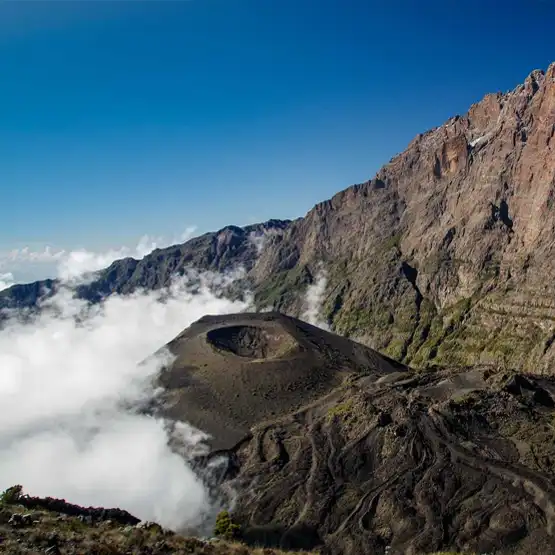
Mount Kilimanjaro is often referred to as “The Roof of Africa,” standing tall at 19,341 feet. One may wonder what it’s like to experience the cultural tapestry woven into the slopes of this majestic mountain. Booking a tour to Kilimanjaro isn’t just about scaling its heights, but immersing yourself in the vibrant local way of life.
A journey to Kilimanjaro is as much about the people as it is about the peak. With thousands of climbers annually, experts suggest booking with reputable agencies to ensure authenticity in every interaction. From learning the Chagga traditions, to understanding the unique flora and fauna, the right tour company can make or break your Kilimanjaro experience.
Why book your Kilimanjaro tour with Kilisa Tours?
Choosing the right tour company can make all the difference in your Kilimanjaro adventure. Kilisa Tours offers a unique experience guided by local experts who know every nook and cranny of the mountain. They’re dedicated to sustainable practices to preserve the beauty of Kilimanjaro for future generations. You’ll get firsthand insights into the local culture, making your journey even more enriching. Plus, every tour is tailored to ensure you have the best possible experience.
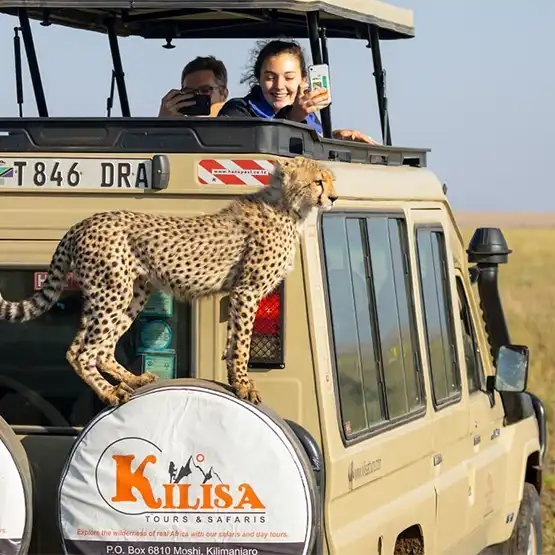
Safety is a top priority at Kilisa Tours. They provide high-quality equipment and experienced guides to ensure your climb is both safe and enjoyable. According to this post, the 11-day tour combines climbing Kilimanjaro with a safari, offering a comprehensive view of Tanzania. Booking with Kilisa ensures you’re in reliable hands throughout your adventure. Their commitment to customer satisfaction is evident in their exceptional reviews.
Kilisa Tours also offers diverse packages to fit different preferences and budgets. You can choose from family-friendly tours, adventure-packed itineraries, or more relaxed options. The flexibility allows you to customize your experience to match your interests. For instance, here is the article detailing a 10-day tour combining Kilimanjaro and local excursions. This variety ensures there’s something for everyone.
Another reason to go with Kilisa Tours is their transparent pricing and exceptional service. There are no hidden fees, and you’ll know exactly what to expect. Their knowledgeable staff is always ready to assist you from booking to the end of your tour. Choosing Kilisa Tours guarantees a memorable, hassle-free experience, making it the ideal choice for your Kilimanjaro adventure.
Experience through local expertise and sustainable practices
Booking your Kilimanjaro tour with Kilisa Tours means you’ll be guided by local experts. These guides have grown up around the mountain and have in-depth knowledge of the terrain and its challenges. Their experience ensures that you navigate Kilimanjaro safely and efficiently. Additionally, they share valuable insights about the mountain’s history and cultural significance. This adds a layer of richness to your adventure that you won’t get elsewhere.
Sustainable practices are at the heart of Kilisa Tours. They are committed to preserving Kilimanjaro’s natural beauty and the well-being of local communities. They promote eco-friendly practices in all their tours, from reducing waste to conserving water. Here are some of their sustainable practices:
- Usage of eco-friendly equipment
- Community support programs
- Strict leave-no-trace policies
Participating in a tour with Kilisa means supporting local communities. Kilisa hires local porters and guides, providing them fair wages and good working conditions. This boosts the local economy and ensures that your trip has a positive impact. Kilisa also invests in educational projects to benefit community development. Your adventure directly contributes to these meaningful causes.
Through their efforts, you experience Kilimanjaro responsibly and sustainably. Knowledgeable guides offer insights into the flora, fauna, and local customs of the region. Getting to know the mountain and supporting its preservation are part of the journey. Plus, you’ll leave with a deeper appreciation for the environment and the local culture. This makes the experience unforgettable and enriching while helping to protect these treasures for future generations.
What to expect in a Kilimanjaro tour itinerary
Embarking on a Kilimanjaro tour means immersing yourself in a well-structured adventure. Your journey will typically begin in Moshi or Arusha, where you will meet your guides and porters. From here, you’ll head to the mountain’s base for the initial briefing and gear check. The itinerary usually spans 6 to 9 days, giving you ample time to acclimatize and enjoy the trek. Expect a mix of trekking, camping, and cultural experiences.
Each day on the mountain brings new challenges and breathtaking views. You will climb through diverse climatic zones, from forest to alpine desert. The following table provides a glimpse into what a typical day’s schedule might look like:
| Time | Activity |
|---|---|
| 6:00 AM | Wake up and breakfast |
| 7:00 AM | Begin trekking |
| 12:00 PM | Lunch break |
| 1:00 PM | Continue trekking |
| 5:00 PM | Arrive at camp, dinner, and rest |
Throughout your climb, you’ll have the chance to interact with native guides and porters. They share stories about the mountain’s lore and their own experiences. You’ll also witness exceptional wildlife, like colobus monkeys and unique bird species. The camaraderie developed along the trail enhances the overall experience. This cultural exchange is a highlight of the Kilimanjaro itinerary.
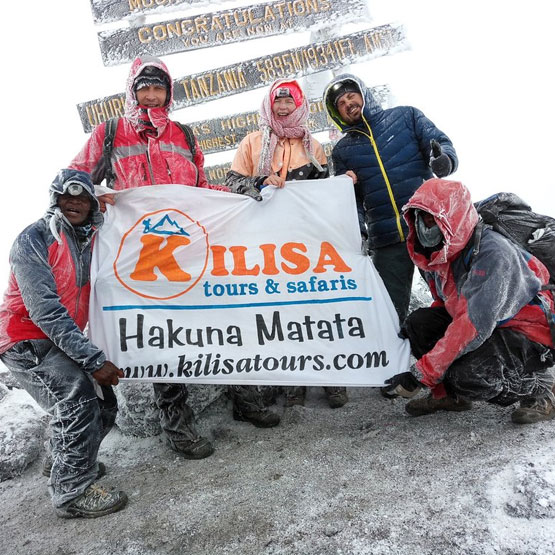
Reaching the summit is the most exhilarating part of the tour. The final ascent usually starts around midnight to catch the sunrise at Uhuru Peak. This is the highest point in Africa, offering panoramic views that are nothing short of spectacular. While the climb is challenging, the sense of accomplishment and the beauty of the surroundings are unforgettable. Your guides ensure that you have all the support you need, making this moment truly magical.
Tips on choosing the right tour package
Selecting the best tour package for Kilimanjaro is crucial for a successful adventure. First, consider the duration of the tour. Shorter tours might be appealing but they often don’t allow enough time for acclimatization. Opt for tours that span at least seven days to ensure you adjust to the altitude properly. This reduces the risk of altitude sickness and increases your chances of reaching the summit.
Next, assess the level of support provided by the tour company. Kilisa Tours, for example, offers comprehensive packages that include everything from meals to high-quality equipment. Evaluate the inclusivity of the package to avoid unexpected costs. Make sure the package includes experienced guides and adequate safety measures. Here’s a basic checklist to consider:
- Acclimatization Days
- Equipment Provided
- Safety Protocols
- Meals Included
- Guide Experience
Research the different routes to the summit as each offers unique experiences. The Marangu route is shorter and often considered easier, but it’s also more crowded. The Lemosho route is less busy and offers stunning scenery. Kilisa Tours often recommends the Machame route for its beautiful vistas and higher success rates. Choose a route that matches your fitness level and personal preferences.
Budget is another important factor when choosing a tour package. While cheaper options may seem tempting, they often compromise on crucial aspects like safety and quality of services. Investing in a reputable tour company ensures you get the best overall experience. Kilisa Tours offers various packages that balance cost and quality effectively. You can find detailed pricing on their website to help you make an informed decision.
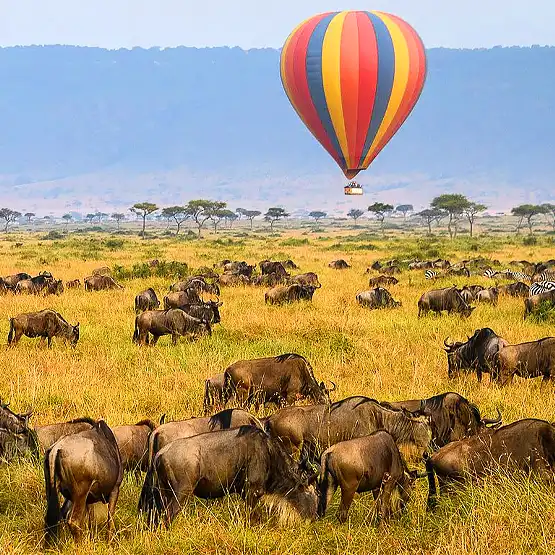
Consider the additional activities included in the tour package. Some packages offer cultural tours and wildlife safaris as part of the itinerary. This adds an extra layer of adventure and discovery to your trip. According to the article, combining your Kilimanjaro climb with a safari can provide a more comprehensive Tanzanian experience. These multi-activity packages often offer the best value for money.
Lastly, read reviews and testimonies from previous climbers. Customer feedback can offer valuable insights into the reliability and quality of the tour operator. Kilisa Tours boasts numerous positive reviews highlighting their exceptional service and knowledgeable guides. Looking at first-hand experiences can help you choose the most trustworthy and rewarding tour package.
Cultural aspects of the Kilimanjaro region
The Kilimanjaro region is rich with cultural heritage, offering a unique experience to visitors. The local Chagga people are known for their hospitality and vibrant traditions. You’ll have opportunities to engage with them and learn about their way of life. Visiting village markets and traditional homes can be part of your itinerary. These experiences provide a deeper understanding of the local community.
The region is also home to various festivals and ceremonies. Participating in these events can be a highlight of your trip. Here’s what you might encounter:
- Traditional dances and music
- Harvest festivals
- Local artisan workshops
Coffee farming is a significant aspect of Chagga culture. You’ll find numerous coffee plantations around Kilimanjaro. Many tours include visits to these farms where you can see the coffee-making process. Tasting freshly brewed coffee adds a delightful touch to the cultural experience. It’s a chance to appreciate the hard work that goes into this local staple.
The Kilimanjaro region also features diverse culinary traditions. The Chagga cuisine consists of dishes made from locally sourced ingredients. Common foods include bananas, maize, and beans. Trying these traditional foods offers a delicious insight into the regional diet. Many tours incorporate meals that allow you to savor these flavors firsthand.
Learning about local folklore is another fascinating aspect of the Kilimanjaro region. The mountain itself holds a special place in the hearts of the residents. Stories and legends about Kilimanjaro are passed down through generations. Listening to these tales from the local guides can be truly captivating. It adds a mystical element to your trekking adventure.
The language and customs of the Chagga are equally enriching. While Swahili is widely spoken, the Chagga also have their own dialect. Understanding basic greetings and phrases can enhance your interaction with the locals. Respecting their customs and way of life creates a more meaningful connection. This cultural exchange is an unforgettable part of visiting Kilimanjaro.
Preparing for your Kilimanjaro journey: Practical advice
Embarking on a Kilimanjaro journey requires thorough preparation. Start by ensuring your physical fitness; regular exercise and conditioning are essential. Focus on cardio, strength training, and hiking to build endurance. This will help you cope with the trail’s challenges. Preparation in this area is key to a successful climb.
Next, invest in appropriate gear and clothing. Weather on Kilimanjaro can be unpredictable, so layering is crucial. Here’s a basic packing list:
- Waterproof jacket and pants
- Warm layers such as fleece
- Thermal underwear
- Sturdy hiking boots
- Headlamp and extra batteries
Acclimatizing to high altitudes is crucial for your health on Kilimanjaro. Plan to arrive a few days early to help your body adjust. Hydrate constantly and listen to your guides. They’ll provide guidance on avoiding altitude sickness. This ensures you are in the best possible condition for the trek.
Nutritional preparation is also important. Stock up on high-energy snacks like nuts, dried fruits, and energy bars. You’ll need plenty of fuel for the strenuous climb. Including a balanced diet before your trip is beneficial. It helps maintain energy and strength throughout the journey.
Documentation and vaccinations should not be overlooked. Ensure your passport is valid for at least six months. Check if you need a visa to enter Tanzania. Vaccinations for yellow fever and medications for malaria prevention are often recommended. Consult with your healthcare provider for specifics. Proper documentation keeps your journey smooth and stress-free.
Finally, consider mental preparation. Climbing Kilimanjaro is as much a mental challenge as a physical one. Stay positive and visualize your success. Practice mindfulness and breathing exercises to stay calm during the trek. Motivation and resilience play a significant role in overcoming obstacles on the climb. Keep your goal in sight and embrace the adventure!