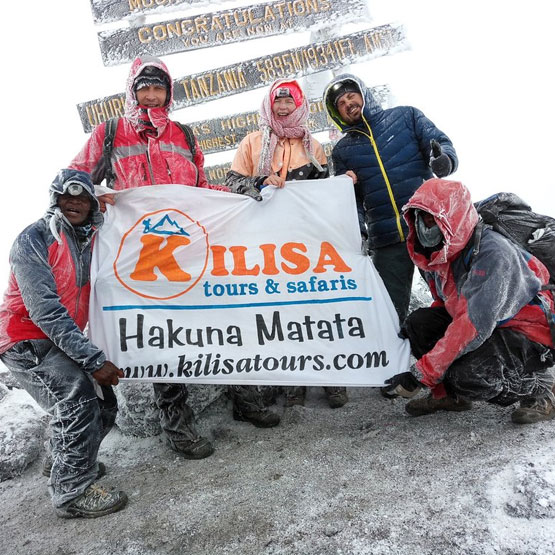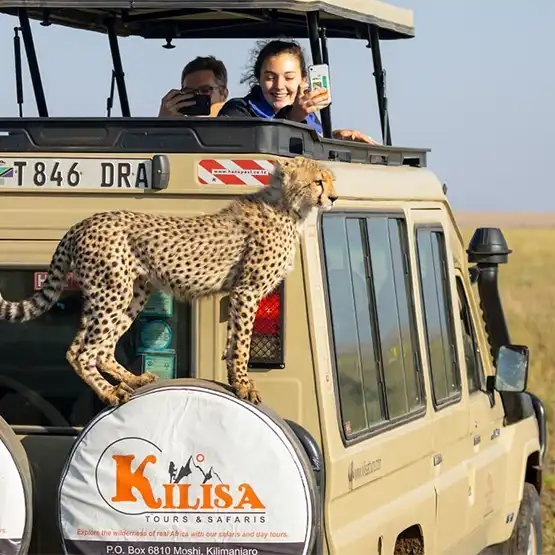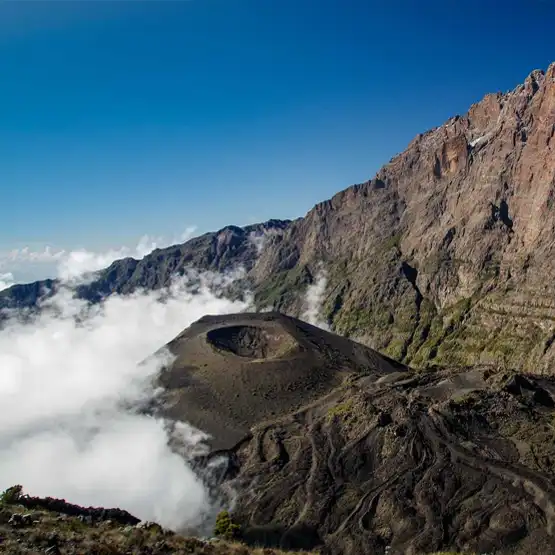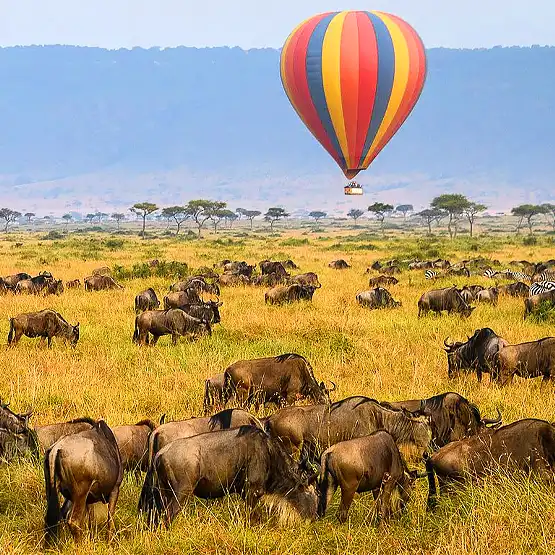
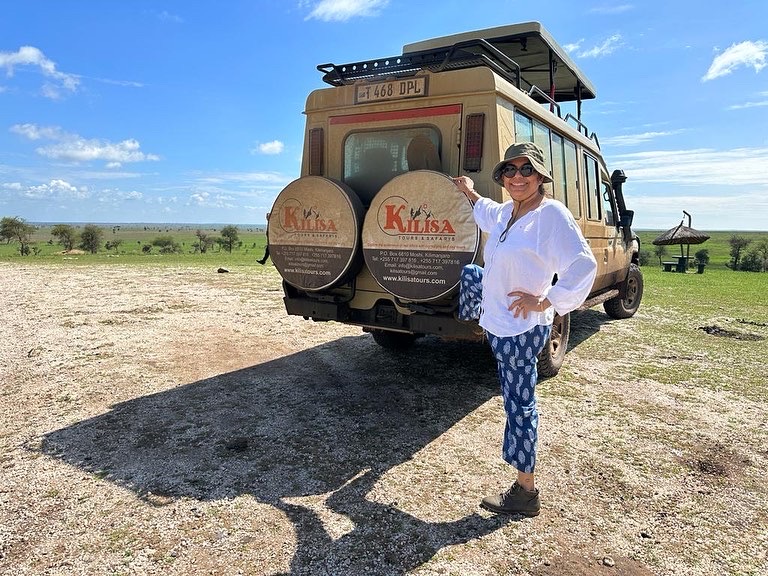
Most travelers flying to Tanzania for Kilimanjaro also want a safari. That makes sense — you’re already on the continent, and the parks sit just hours from the mountain. The mistake is treating these as two separate trips instead of one well-sequenced itinerary. Here’s how to combine them properly, without wasted days in between.
Why Combining Them Makes Sense
You’re already there
Flights to Tanzania aren’t cheap, and international travel eats a full day on either end. Splitting the climb and safari into two separate trips means paying that travel cost twice. Combining them into one trip removes that entirely.
The descent naturally resets your body
Coming down from altitude leaves most climbers tired, but not injured. A day or two of lower-altitude safari game drives gives your body an easy, restorative transition — far gentler than jumping straight onto a long-haul flight home.
The logistics already exist
Arusha sits between the mountain and the parks. Vehicles, guides, and lodges in this region already run both climbs and safaris daily, so linking them doesn’t require piecing together separate operators or figuring out transfers yourself.
How to Sequence It Properly
Climb first, safari second
Always climb before your safari, not after. Climbing is physically demanding and requires your full energy reserves. A safari is comfortable and low-effort by comparison, which makes it the ideal way to unwind once the climb is done.
Build in one buffer day
Don’t schedule your safari to start the morning after you finish the climb. Summit night and the descent leave most people drained. One buffer day in Arusha — a hot shower, real food, a full night’s sleep — makes a noticeable difference before you start early safari mornings.
Match your route length to your total trip time
Our 10-day and 11-day combined itineraries are built around this exact sequencing — a full climb, a buffer day, then several days on safari. If you’d rather build your own combination, our 10-day and 11-day combine tours offer flexible starting points, and a tailor-made itinerary can adjust either portion to fit your dates.
What to Watch For When Planning
Don’t shorten the climb to fit more safari days
It’s tempting to cut a day from your climb to add an extra day on safari. Resist this. A shorter climb lowers your acclimatization and your summit odds — the opposite of what you want on the harder, more physically demanding half of the trip.
Time your safari around wildlife, not just convenience
If part of your motivation is seeing the migration or specific wildlife activity, check our best time to go on safari guide before locking in your climb dates — the two need to align on the calendar, not just on your itinerary.
Pack for both halves of the trip
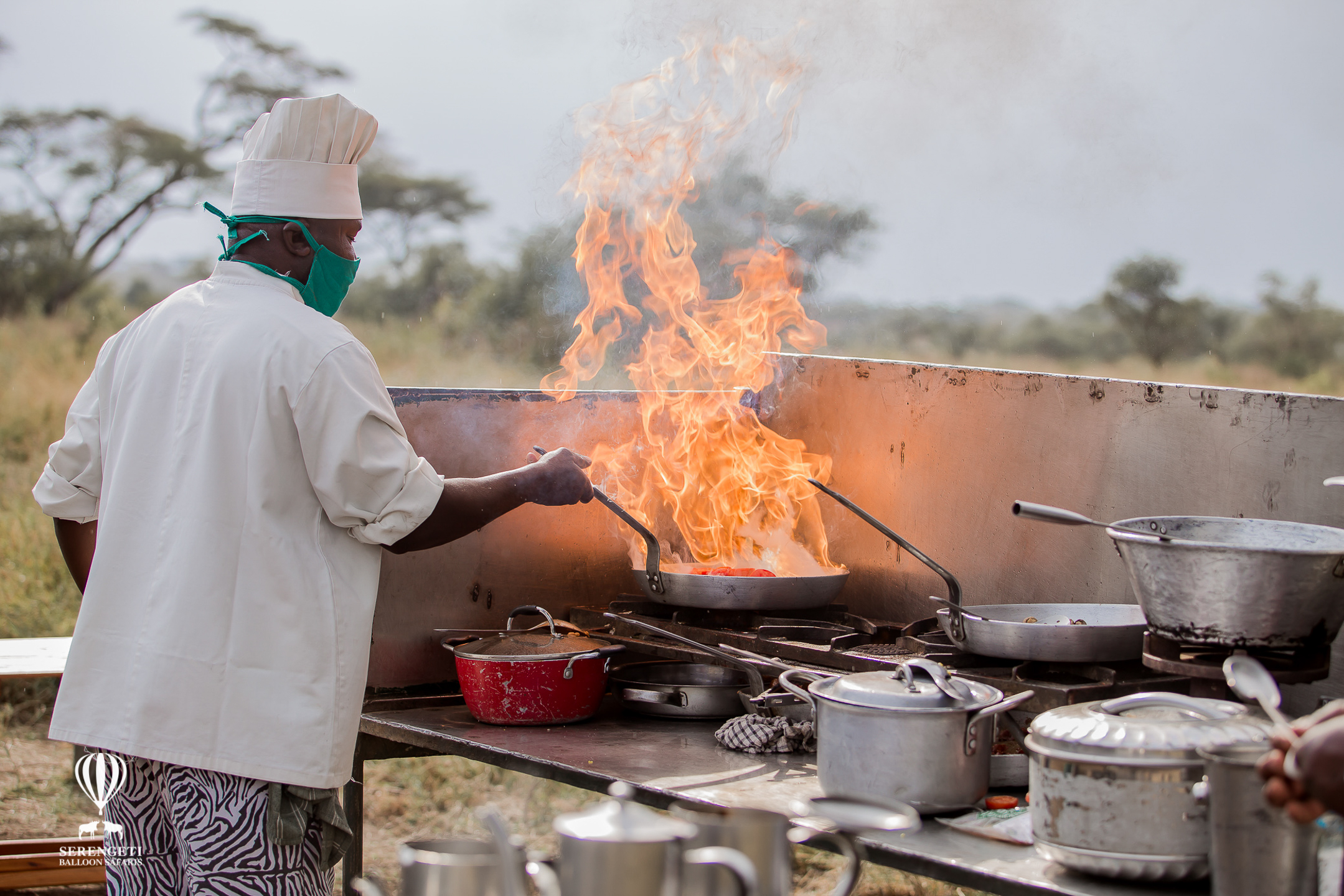
Kilimanjaro and safari require different gear entirely — cold-weather layers for one, breathable safari clothing for the other. Our what to take guide covers both, so nothing gets left behind for either half.
Insurance should cover the whole trip
Make sure your travel insurance explicitly covers high-altitude trekking, not just general travel. Many standard policies exclude climbs above a certain elevation, so check this before you fly.
Climbing Kilimanjaro and going on safari in the same trip isn’t complicated — it just needs the right order and one honest buffer day in between. Done properly, it’s one of the most efficient, rewarding ways to experience Tanzania in a single visit.
If you need guidance, happy to help. Get in touch with our team and we’ll help you build a climb-and-safari itinerary that fits your fitness, dates, and budget.