One of the first questions every prospective climber asks is simple: what is the real Kilimanjaro climb cost? The honest answer is that it varies widely, and understanding exactly where your money goes will help you compare operators fairly, avoid corners being cut on safety, and choose the trip that actually matches your budget. In this guide, we break down every major line item behind the Kilimanjaro climb cost so you know precisely what you’re paying for before you book.

At Kilisa Tours & Safaris, we believe transparency builds trust, so we’re laying out the full picture — park fees, staff wages, equipment, and where prices genuinely differ between operators.
What Drives the Kilimanjaro Climb Cost: Park Fees
A large, non-negotiable chunk of any Kilimanjaro climb cost goes directly to the Tanzanian government through Kilimanjaro National Park, managed by TANAPA. These fees typically include:
- Daily park entry fees per climber
- Camping or hut fees depending on your route
- Rescue fees (mandatory, regardless of whether you need rescue)
- Crew entry fees for every guide, cook, and porter on your team
These government fees are fixed and identical across every legitimate operator, so if a quoted price seems far below the market average, it’s worth asking how those fees are being covered. You can review official rates directly through the Tanzania National Parks Authority website.
Guide and Porter Wages: The Ethical Side of Cost
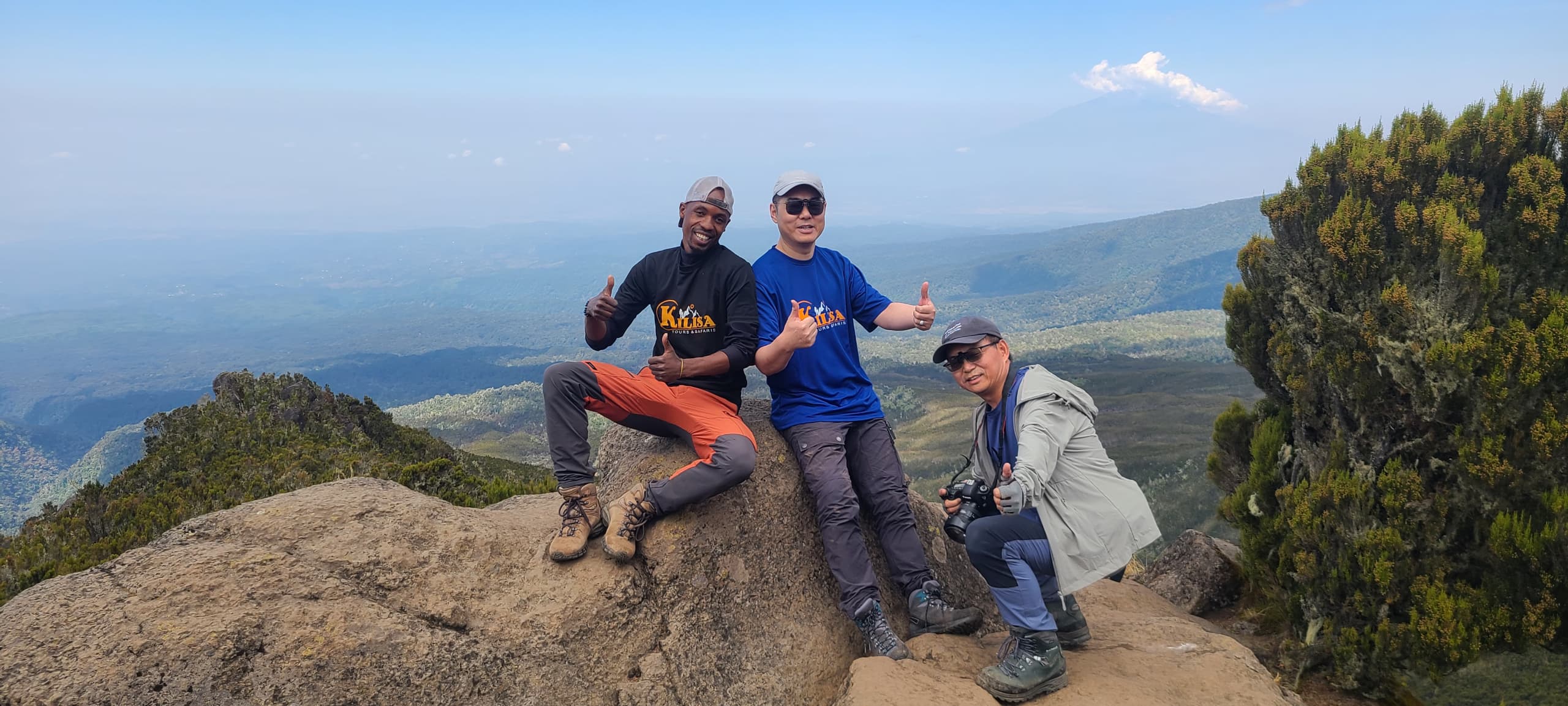
A responsible Kilimanjaro climb cost also reflects fair wages, decent meals, and proper equipment for the guides, cooks, and porters who make your summit possible. Porters in particular carry heavy loads at altitude for modest pay industry-wide, which is why organizations like the Kilimanjaro Porters Assistance Project publish fair wage and treatment guidelines that ethical operators follow. At Kilisa Tours, our pricing is built around paying our crew fairly — it’s simply the right way to run a mountain business, and it also means a safer, better-supported climb for you.
Equipment, Rentals, and Camp Logistics
Tents, sleeping mats, cooking gear, and safety equipment like oxygen and pulse oximeters all factor into the Kilimanjaro climb cost. Some companies charge extra for rental gear such as sleeping bags or trekking poles, while others include quality equipment as standard. Before booking, always check our trekking and safari equipment guide and what to take packing list so you know exactly what’s provided versus what you’ll need to bring or rent yourself.
How Route and Trip Length Affect Price
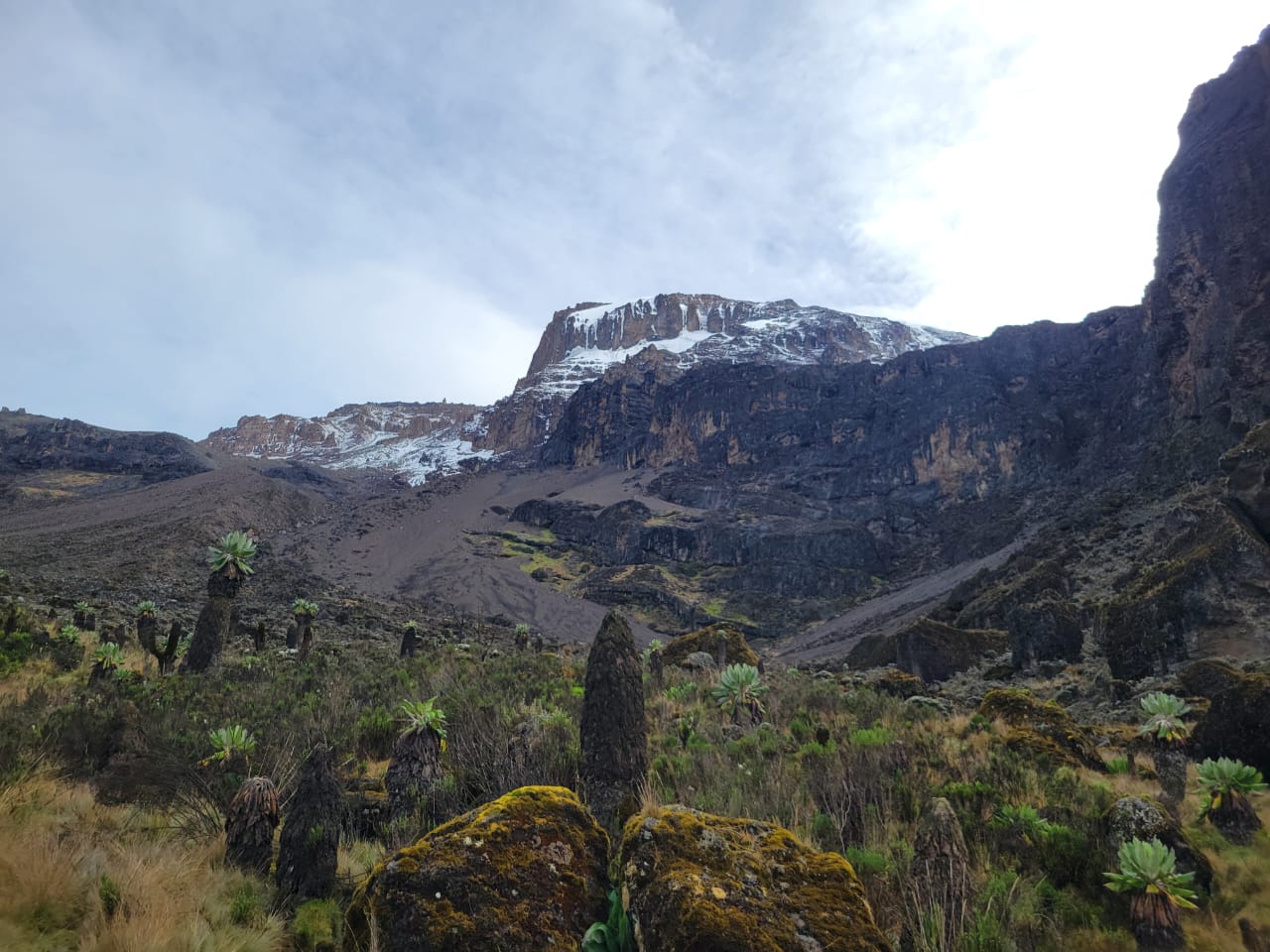
Longer routes generally cost more simply because they require more days of park fees, more food, and more crew wages — but they also come with meaningfully higher summit success rates thanks to better acclimatization. Popular options include the 6-Day Machame Route and 7-Day Machame Route, the scenic 7-Day Lemosho Route and 8-Day Lemosho Route, and the shorter, hut-based 6-Day Marangu Route. Explore our full range of Kilimanjaro climbing packages to compare pricing and itineraries side by side.
Budget vs. Mid-Range vs. Premium Climbs
The Kilimanjaro climb cost you’re quoted often reflects the service tier as much as the route:
- Budget climbs typically use simpler mess tents, basic meals, and shared camping gear
- Mid-range climbs add better food, more comfortable tents, and additional support crew
- Premium climbs often include private toilet tents, larger sleeping tents, and enhanced safety equipment
Whichever tier fits your budget, the park fees and crew wage floor stay the same — what changes is comfort, not safety, when you book with a reputable operator.
Health, Insurance, and Hidden Costs to Budget For
Beyond the quoted package price, factor in travel insurance covering high-altitude trekking and medical evacuation, which is genuinely essential rather than optional. Our travel insurance guide and immunization and medical kit guide will help you budget for the full trip realistically, not just the headline package price.
Timing Also Affects Your Total Cost
Prices and availability shift with the seasons. Reviewing our guide to the best time to go can help you plan around peak-season premiums or shoulder-season savings, depending on your priorities.
Why the Cheapest Quote Isn’t Always the Best Deal
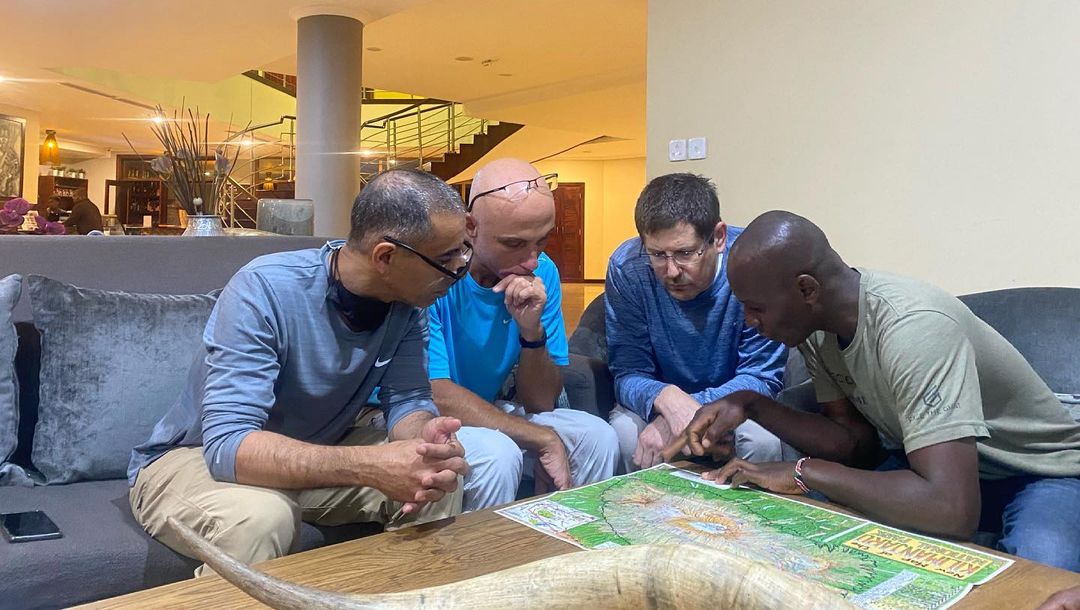
When comparing Kilimanjaro climb cost across operators, remember that the lowest number on paper can hide corners cut on porter wages, safety equipment, food quality, or crew size — all of which directly affect your safety and your summit chances. A fair, transparent Kilimanjaro climb cost should always account for government fees, ethical crew pay, quality gear, and experienced guides working together to get you to the top safely.
Let Kilisa Tours Build the Right Package for Your Budget
We’re happy to walk you through exactly what’s included in every quote we provide, so you can compare us confidently against any other operator. Whether you want a straightforward, well-supported budget climb or a fully outfitted premium experience, we can also design a tailor-made itinerary around your exact needs and budget.
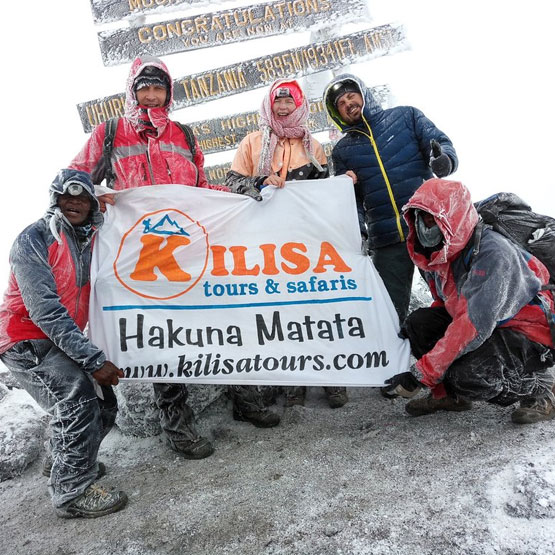
Contact Kilisa Tours & Safaris today for a transparent, no-pressure quote — let’s find the Kilimanjaro climb that fits your budget and gets you safely to Uhuru Peak.
Want more planning tips like this? Visit our blog for more guides, or learn more about us and why climbers trust Kilisa Tours & Safaris with their Kilimanjaro adventure.