Standing at 19,341 feet, Mount Kilimanjaro captures the imagination of climbers worldwide. Now, let’s think about how you can ensure that your Kilimanjaro tour is both memorable and professionally executed. How you plan and book your adventure at this magnificent peak makes all the difference.
The allure of Kilimanjaro, Tanzania’s snow-capped giant, is matched by the convenience of modern booking options. Reputable tour operators offer comprehensive packages that often include accommodations, guides, and necessary permits. Additionally, many climbers report a 98% satisfaction rate when booking through recommended agencies, showcasing the importance of starting your journey on the right note.
- Research reputable tour operators like Kilisa Tours with good reviews and safety records.
- Select the best route and itinerary based on your experience and preferences.
- Check availability and book your chosen tour several months in advance.
- Ensure all required permits and paperwork are handled by the tour operator.
- Prepare physically with proper training and mentally with acclimatization tips.
- Confirm travel insurance that covers high-altitude trekking emergencies.
Choosing the Right Kilimanjaro Climbing Tour with Kilisa Tours
When selecting a Kilimanjaro climbing tour, consider the various routes available. Kilisa Tours offers several routes, each with unique challenges and scenic views. For instance, the Machame Route is known for its stunning scenery and rigorous trek. Alternatively, the Marangu Route provides a more gradual ascent and is nicknamed the “Coca-Cola” route. Choosing the right path depends on your experience, fitness level, and expectations.
Understanding the time of year for your climb is crucial. Kilimanjaro’s weather can be unpredictable, so timing matters a lot. June to October are the most popular months due to favorable conditions. During these months, you’re likely to see more climbers on the trail, which can enhance your group experience. However, if you prefer solitude, consider trekking during the shoulder seasons.
Preparation is key for a successful climb, and Kilisa Tours provides essential tips. Their guidance includes what to pack, how to train, and health precautions to take. For instance, acclimatization days are built into the itinerary to help climbers adapt to the altitude. Hydration, diet, and stamina are crucial factors discussed in this post by hiking experts. Following these tips can significantly increase your chances of reaching the summit.
During the tour, you can expect support from experienced guides and porters. Kilisa Tours ensures that their staff is well-trained and knowledgeable about the mountain. This support includes setting up camps, cooking meals, and ensuring safety. Their team also educates climbers on the mountain’s ecology and history. For a detailed look at what’s included in the package, check here is the article.
Understanding Different Routes and Their Unique Features
Mount Kilimanjaro offers several climbing routes, each with its own unique appeal. The Marangu Route, also known as the “Coca-Cola” route, is the only path with hut accommodations. It’s considered the easiest route but can get crowded. The Machame Route is popular for its spectacular scenery. However, it’s a more challenging option due to its steeper paths.
The Lemosho Route is ideal for those seeking a quieter adventure. Its longer path through lush rainforests and scenic trails offers a more relaxed pace. This route is great for acclimatization, improving the chances of a successful summit. On the other hand, the Rongai Route approaches Kilimanjaro from the north. It provides a different perspective, with fewer climbers and a higher chance of encountering wildlife.
For experienced climbers, the Umbwe Route presents a tough challenge. Known for its steep slopes and quick ascent, it’s not recommended for beginners. Despite its difficulty, this route rewards climbers with stunning views and a sense of solitude. Another notable route is the Northern Circuit, which is the longest. It circles the mountain, providing diverse landscapes and excellent acclimatization opportunities.
To help you decide, here’s a quick comparison of the most popular routes:
| Route | Difficulty | Scenery | Duration | Accommodation |
|---|---|---|---|---|
| Marangu | Easy | Moderate | 5-6 days | Huts |
| Machame | Moderate | High | 6-7 days | Tents |
| Lemosho | Moderate | High | 7-8 days | Tents |
| Rongai | Moderate | High | 6-7 days | Tents |
| Umbwe | Hard | High | 6-7 days | Tents |
| Northern Circuit | Moderate | Very High | 9 days | Tents |
Evaluating the Best Season for Climbing Kilimanjaro
Climbing Kilimanjaro is best done during the dry seasons, which typically occur from late June to October and from late December to early March. These periods offer clearer skies and more stable weather, making the climb safer and more enjoyable. Rainy seasons, which fall between March to early June and November to early December, can make the trails slippery and more difficult. If you prefer fewer crowds, consider climbing at the tail end of the dry seasons. This timing provides a more peaceful experience while still enjoying good weather.
The months of June to October are especially popular due to the excellent conditions on the trails. During these months, the paths are less muddy, and the landscape is lush and green from the previous rains. While it can be cold, the beauty of the mountain more than makes up for it. Expect to see more fellow climbers on the same journey, creating a spirited atmosphere. If you enjoy camaraderie and meeting new people, this might be the best time for you.
Another good time to climb is from late December to early March. This period is warmer, and the skies are generally clear. Although the trails are more crowded during this period, the pleasant weather makes for a more enjoyable climb. This season is often recommended for beginners due to its more predictable climate. If you’re planning a holiday adventure, this is an excellent choice.
Here’s a quick comparison of Kilimanjaro climbing seasons:
| Season | Months | Weather | Trail Conditions | Crowd Levels |
|---|---|---|---|---|
| Dry (Main) | June to October | Cool and Dry | Good | High |
| Wet (Long Rains) | March to early June | Wet and Humid | Muddy | Low |
| Dry (Short) | December to early March | Warm and Dry | Good | High |
| Wet (Short Rains) | November to early December | Wet | Muddy | Low |
Preparing for Your Climb: Essential Tips
Preparing for a Kilimanjaro climb requires careful planning and the right gear. First, getting in shape is crucial. Start your training at least two months before the climb. Focus on cardio exercises like running and hiking, which build endurance. Also, practice walking with a loaded backpack to simulate the trek.
Packing the right gear can make a big difference. Kilimanjaro’s weather can be unpredictable, so layering your clothing is essential. Bring moisture-wicking base layers, insulating mid-layers, and waterproof outer layers. Don’t forget a warm hat, gloves, and a good pair of hiking boots. A detailed packing list, like the one below, ensures nothing is left behind:
- Hiking boots
- Warm hat and gloves
- Moisture-wicking base layers
- Insulating mid-layers
- Waterproof outer layers
- Sunscreen and sunglasses
- First aid kit
- Snacks and water bottles
Staying hydrated and well-nourished is vital during the climb. The higher altitudes can dehydrate you faster. Drink plenty of water, even if you don’t feel thirsty. Eating high-energy snacks, such as nuts and energy bars, keeps your energy levels up. Following these tips can help prevent altitude sickness and keep you feeling strong.
Mental preparation is just as important as physical readiness. Climbing Kilimanjaro is challenging, and having a positive mindset can make a huge difference. Setting achievable goals each day helps you stay motivated. Listening to inspiring stories of past climbers can boost your spirits. Remember, your mental strength will help you conquer the mountain.
Lastly, don’t overlook the importance of acclimatization. Climbing too quickly can lead to altitude sickness, which can be dangerous. Plan extra days in your itinerary for acclimatization. Follow the “climb high, sleep low” strategy to help your body adjust. These steps improve your chances of reaching the summit safely.
What to Expect During Your Kilimanjaro Tour
Every Kilimanjaro tour begins with a meet-and-greet with your guide and fellow climbers. You’ll have a briefing session where the routes, safety protocols, and daily schedules are explained. The excitement builds as you gear up for the adventure ahead. It’s an excellent opportunity to ask any last-minute questions. Your guide will ensure everyone feels prepared and confident.
The climb starts early each day with a hearty breakfast. You’ll walk through lush forests, moorlands, and alpine deserts, each offering unique scenery. As you ascend, the landscapes change dramatically, providing breathtaking photo opportunities. Daily hikes range from 5 to 7 hours, depending on the day’s itinerary. Evenings are spent at campsites, where tents are set up, and meals are prepared.
Meals on the mountain are surprisingly varied and nutritious. Expect hot breakfasts, packed lunches, and warm dinners. Common food items include soups, pasta, and fresh fruit. Guides and porters ensure that all dietary needs are met. Proper nutrition keeps your energy levels sustained for the climb.
Acclimatization plays a crucial role during your climb. Altitude sickness can affect anyone, so listen to your body. Guides will monitor your health and adjust the pace accordingly. Resting and taking slower ascents help your body adapt. More days included for acclimatization increase your chances of a successful summit.
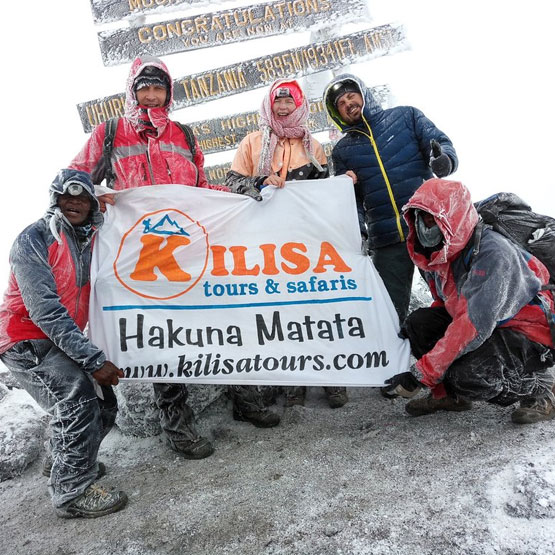
Reaching the summit is an exhilarating experience. You’ll start your final ascent at midnight to reach the peak by sunrise. The climb is tough because of the altitude and cold, but the view from the top is worth it. Standing on Uhuru Peak, the highest point in Africa, is unforgettable. You’ll take pictures, celebrate, and begin your descent.
The descent is faster and less strenuous. Returning to lower altitudes feels refreshing. You’ll reflect on your journey and bond with your fellow climbers. Kilisa Tours ensures your safety until you reach the base. The sense of accomplishment and new friendships are invaluable rewards.
Why Booking with Kilisa Tours Enhances Your Experience
Booking with Kilisa Tours ensures a seamless and enjoyable Kilimanjaro climbing experience. Their team of professional guides and porters are highly trained and knowledgeable. They are dedicated to providing the best support. From route planning to dietary needs, Kilisa Tours offers personalized services for each climber. Their attention to detail helps ensure your safety and comfort throughout the journey.
Kilisa Tours provides top-quality equipment and accommodations. Their camping gear is durable and designed to withstand Kilimanjaro’s harsh conditions. Comfortable sleeping arrangements and tasty meals are part of their package. They cater to various dietary preferences, ensuring you stay nourished during the climb. This level of care allows you to focus on the trek without worrying about logistics.
The company values sustainability and eco-friendly practices. Guides educate climbers about the mountain’s ecology and encourage responsible tourism. Kilisa Tours ensures all waste is carried off the mountain. Using local resources and hiring local staff, they support the Tanzanian community. This approach not only provides a culturally rich experience but also helps preserve the environment.
Personalized care is a highlight of Kilisa Tours’ service. They tailor the itinerary to accommodate acclimatization needs and physical capabilities. Professional health checks are part of the process. Guides and porters monitor your health, making adjustments to the pace as necessary. This customized attention increases your chances of reaching the summit safely.
Kilisa Tours also offers comprehensive travel packages. These include transfers, accommodations before and after the climb, and cultural tours. A complete package eliminates the hassle of planning multiple aspects of your trip. The convenience of a single booking allows you to focus on the adventure ahead. By handling all the logistics, Kilisa Tours ensures a stress-free experience.