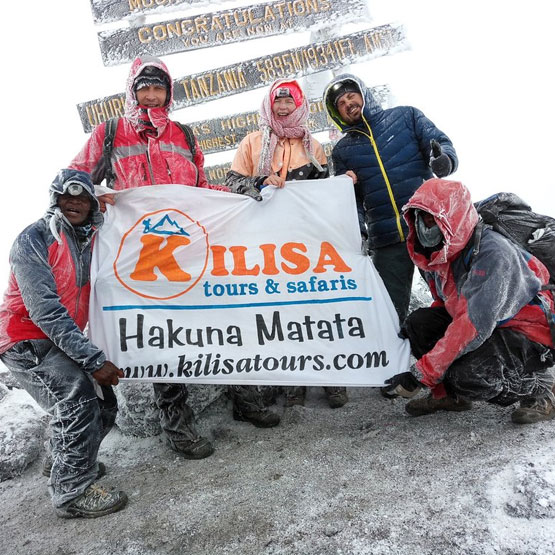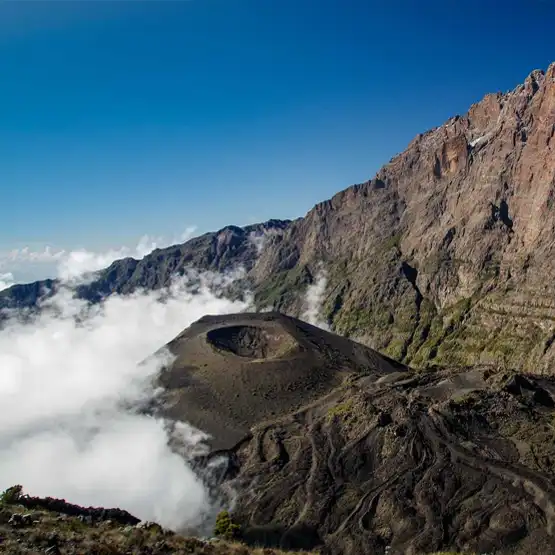
Scaling the heights of Mount Kilimanjaro is an adventure many dream of but few achieve. This is Africa’s highest peak, and standing at 19,341 feet, it is not a climb to take lightly. Proper preparation is key to conquering this majestic mountain.
Understanding the history of Kilimanjaro climbing routes is crucial. With a staggering failure rate, where only two-thirds of climbers reach the summit, training is essential. Cardiovascular conditioning and acclimatization hikes can significantly boost your chances of success.

Essential Preparation Tips for Climbing Kilimanjaro
When preparing to climb Mount Kilimanjaro, physical conditioning is vital. Regular cardiovascular exercises such as running or cycling will help build stamina. Strength training for your legs and core is equally important. Aim for a balanced workout routine at least three times a week. Your body needs to be ready for the demanding trek.
Acclimatization plays a big role in a successful climb. Spend time at lower altitudes before ascending. According to the article, here is the post, gradual acclimatization can prevent altitude sickness. Listen to your body and know when to rest. Being well-adjusted to high altitudes is crucial for your health.
Having the right gear is another essential tip. Invest in quality hiking boots, thermal clothing, and a sturdy backpack. Make a checklist of everything you need, from sleeping bags to water purification tablets. Kilisa Tours provides comprehensive gear lists to ensure you’re well-prepared. Don’t forget essential items like sunscreen and sunglasses.
Choosing the right route is also significant. Each Kilimanjaro route varies in difficulty, scenery, and success rate. According to the article, here is the article, some routes offer better acclimatization periods. Research and consult with experts from Kilisa Tours to pick the best route for you. Your journey to the top should be well-planned for the best experience.
Physical Conditioning: Key Exercises and Training Schedules from Kilisa Tours Experts
When climbing Mount Kilimanjaro, having a strong physical foundation is crucial. Experts at Kilisa Tours emphasize the importance of a comprehensive training regime. This should include activities that build endurance, such as long-distance running and cycling. Aim for at least 30 minutes of aerobic exercise, 4 to 5 times a week. Consistency is key to building your stamina.
Strength training is equally important for tackling the rugged terrain of Kilimanjaro. Focus on exercises that target major muscle groups, especially the legs and core.
- Squats
- lunges
- planks
- deadlifts
are all beneficial. Incorporate these into your routine at least twice a week. This helps in carrying your backpack and navigating steep paths.
Flexibility exercises are often overlooked but are essential for preventing injuries. Stretching your muscles regularly will keep them limber and reduce the chance of strains. Yoga is a great option to improve both flexibility and balance. Try a mix of dynamic and static stretches. Spend at least 15 minutes stretching before and after workouts.
Lastly, Kilisa Tours recommends simulating hiking conditions whenever possible. This can be done by hiking on varied terrain with a loaded backpack. Stair climbing and hill training can also prepare you for the uphill battle. Dedicate a day each week to this type of training. It helps mentally and physically prepare you for the climb ahead.
Acclimatization Strategies: How to Adapt to High Altitudes
Adapting to high altitudes is essential for a successful Kilimanjaro climb. One key strategy is to ascend gradually, giving your body time to adjust. Climbing slowly helps reduce the risk of altitude sickness. Kilisa Tours advises taking rest days at certain elevations. This allows your body to acclimatize properly before moving higher.
Staying hydrated is another critical aspect of acclimatization. The air at high altitudes is dry, which can lead to dehydration. Drink plenty of water throughout your trek. Aim for at least 3 to 4 liters per day. Avoid caffeinated and alcoholic beverages as they can dehydrate you further.
Proper nutrition is also vital for maintaining energy levels. Eating a balanced diet rich in carbohydrates can provide the necessary fuel.
| Foods | Benefits |
|---|---|
| Pasta | High in carbohydrates |
| Nuts | Good source of protein |
| Fruits | Rich in vitamins |
Keep snacks handy to munch on during breaks. This helps in managing energy throughout the climb.
Using medication can also be a helpful acclimatization aid. Some climbers take acetazolamide (Diamox) to prevent altitude sickness. Consult with your doctor before using any medication. Follow the prescribed dosage and guidelines. Always listen to your body and recognize the signs of altitude sickness.
Gear and Equipment Checklist: Essential Items You Can’t Overlook
Having the right gear and equipment is crucial for a successful Kilimanjaro climb. Quality hiking boots are at the top of the list. They should be well-worn and waterproof to handle different terrains. Break them in before the trip to avoid blisters. Comfortable feet make a big difference.
Layered clothing is essential for adapting to varying temperatures. Pack base layers, insulating layers, and a waterproof outer layer.
- Thermal shirts
- Fleece jackets
- Rain jackets
These will keep you warm and dry. Weather conditions on the mountain can change rapidly.
Don’t forget about sleeping gear. A warm, lightweight sleeping bag rated for sub-zero temperatures is necessary. Bring a sleeping pad for added comfort and insulation. You’ll be spending nights in tents, so good rest is vital. Rested bodies are more resilient to physical and environmental stress.
Essential accessories also include a reliable backpack and trekking poles. Your backpack should have a capacity of 30-40 liters for day-to-day items. Trekking poles help maintain balance and reduce strain on your legs. Both these items will make your hike more manageable. Carrying the right tools can ease your journey.
Hydration and nutrition gear are equally important. Include a hydration system or water bottles to ensure you stay hydrated. Pack high-energy snacks like energy bars and dried fruit.
| Item | Purpose |
|---|---|
| Hydration System | Staying hydrated |
| Snacks | Maintaining energy |
| Water Purification Tablets | Safe drinking water |
This gear helps you maintain energy and well-being throughout the climb.
Lastly, do not forget safety and navigation tools. A headlamp with extra batteries is essential for early morning or late-night hikes. Carry a map and compass or a GPS device. Being prepared ensures you can navigate and stay safe in all conditions. Safety should always be a priority.
Navigating the Routes: Insights from Kilisa Tours on Choosing Your Path
Choosing the right route for your Kilimanjaro climb is crucial for success. Kilisa Tours provides valuable insights into the different paths available. Each route has its own challenges and scenic beauties. Some are shorter but steeper, while others offer more gradual ascents. Understanding these differences can help you plan better.
One popular option is the Marangu Route. Known as the “Coca-Cola” route, it’s the only path with hut accommodations. This route is considered less challenging but can be crowded. It typically takes five to six days to complete. The gradual incline makes it suitable for beginners.
For those seeking more adventure, the Machame Route might be the best option. Often referred to as the “Whiskey” route, it’s more difficult but offers stunning views. According to this post, it takes about seven days to complete. The route includes a variety of landscapes, from rainforests to moorlands. Hikers need to be well-prepared for the steeper sections.
The Lemosho Route is ideal for acclimatization. It provides varied scenery and a higher success rate. This route takes around eight days to finish and is less crowded. The extra days give your body more time to adjust to the altitude. This can increase your chances of reaching the summit.
For a quieter experience, consider the Rongai Route. Starting from the northern side of the mountain, it offers a unique perspective. Here is the article highlighting its less busy trails. The route takes six to seven days and ends with a descent down the Marangu path. It’s perfect for those looking to avoid the crowds.
Finally, the Northern Circuit is the longest and newest route. This path circles around to the north and west, offering panoramic views. It usually takes nine days, giving the best chance for acclimatization. Kilisa Tours recommends this route for its solitude and stunning vistas. The longer duration means you’re less likely to experience altitude sickness.
Health and Safety: Prevention Measures for Common Climbing Ailments
Health and safety are top priorities when climbing Mount Kilimanjaro. Altitude sickness is a common ailment that can be serious. Symptoms include headaches, dizziness, and nausea. To prevent this, ascend slowly and take rest days. Staying hydrated and eating well also help.
Blisters are another common issue for climbers. Wear well-fitted, broken-in boots to avoid them. Use moisture-wicking socks to keep your feet dry. Applying blister prevention pads can also help. Proper foot care goes a long way in preventing discomfort.
Hypothermia is a risk due to the cold temperatures on the mountain. Dress in layers to stay warm.
- Base layers to wick moisture
- Insulating layers for warmth
- Waterproof outer layers to protect against wind and rain
Make sure to cover your head, hands, and feet. Keeping dry is just as important as staying warm.
Dehydration can occur at high altitudes and affect your performance. Drink water regularly, even if you don’t feel thirsty. Avoid caffeinated and alcoholic beverages that can dehydrate you. Include rehydration salts in your water to replace lost electrolytes. Keeping your body hydrated is essential for maintaining health.
Sunburn can happen quickly due to the high altitude. Apply sunscreen every few hours. Wear a wide-brimmed hat and UV-protective sunglasses. Covering exposed skin with clothing also helps. Protecting yourself from the sun is necessary for avoiding burns and skin damage.
Lastly, carry a well-stocked first aid kit. Include items like bandages, antiseptic wipes, and pain relievers. Knowing basic first aid can help you handle minor injuries. Kilisa Tours guides are trained in emergency procedures. Being prepared ensures a safer climbing experience.