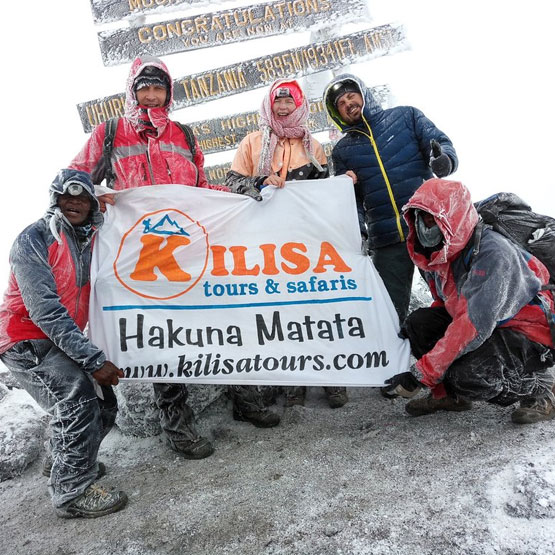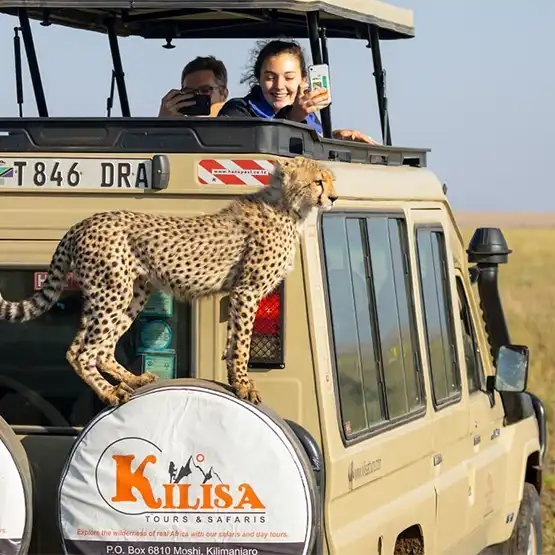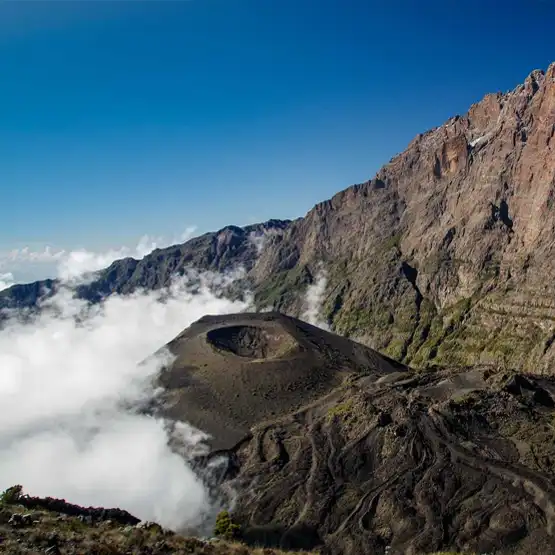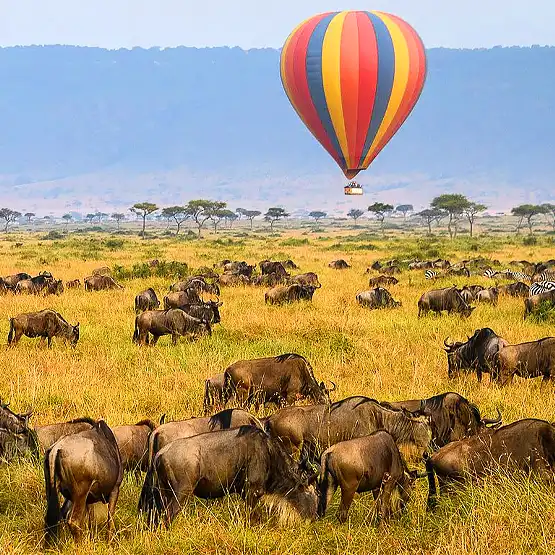
Guess what! Every year, roughly 35,000 people attempt to conquer the highest peak in Africa, Mount Kilimanjaro. Booking a trekking tour here isn’t just about scaling heights but diving into a rich tapestry of culture and nature. You might find yourself amidst lush rainforests one day and barren terrains the next, with stunning vistas that are truly out of this world.
When planning your Kilimanjaro adventure, preparation is paramount. The mountain boasts six official trekking routes, each offering unique challenges and scenic experiences. Statistically, about 60% of trekkers successfully reach the summit, a testament to the importance of acclimatization and selecting the right guide company that values safety and expertise.

Choosing the Right Kilimanjaro Trekking Tour with Kilisa Tours
Choosing the right trekking tour with Kilisa Tours can feel overwhelming, but knowing the routes helps. There are six main routes to the summit, with each offering a different experience. The Marangu Route, often called the “Coca-Cola Route,” is the only one with huts for accommodation. On the other hand, the Machame Route is more challenging but highly scenic. Understanding these differences can help tailor your adventure.
Checking the difficulty level of each route is crucial. Some routes, like the Rongai, are less crowded and easier to climb. Others, like the Lemosho Route, offer more gradual acclimatization. This is vital for a successful and safe trek to the top. According to this post, preparation and knowledge make all the difference in a smooth experience.
Also consider the duration of your trek. Some routes take five days, while others can extend up to nine days. Longer routes provide better acclimatization, which increases your chances of reaching the summit. Kilisa Tours offers detailed itineraries to help you select the best duration based on your fitness level and time constraints. Check them out for valuable insights.
Budget is another significant factor. Kilisa Tours has a range of options from budget-friendly to more luxurious tours. You’ll find options for every type of traveler. Options may include tented camps or more comfortable lodging. Plan according to what suits your financial capabilities and comfort needs. If you’re looking for an affordable camping safari, according to the article here is the article, there are budget-friendly options available that still allow for an amazing experience.
Understanding different routes and their challenges
Each Kilimanjaro route presents its own set of challenges and rewards. The Marangu Route, known for its hut accommodations, is often considered the easiest. However, its popularity can lead to crowded paths. Then there’s the Machame Route, which is more challenging but incredibly scenic. This route offers breathtaking views, but it’s better suited for experienced hikers.
The Rongai Route is unique because it approaches the mountain from the north. It’s less crowded and provides a different perspective. This route is often chosen for its gentle gradient, making it less physically demanding. On the other hand, the Lemosho Route offers a longer trek that allows for better acclimatization. This is crucial for those concerned about altitude sickness.
For those seeking solitude, the Shira Route might be appealing. It starts from the western side of Kilimanjaro and merges with the Lemosho Route. This trail is beautiful but challenging due to its steep initial ascent. If you’re up for an adventure, consider tackling the Umbwe Route. Known for its steep and direct climb, it’s the most demanding but also the shortest in distance.
Choosing the right route involves weighing your physical fitness, experience, and goals. Kilisa Tours can help match you with the route that best fits your needs. They provide detailed itineraries and expert guides to ensure your trek is as smooth as possible. Whether you want a leisurely climb or a challenging adventure, there’s a route for you. Remember, preparation and understanding each route’s unique features are key to a successful summit.
Preparation Tips for Your Kilimanjaro Adventure
Preparing for a Kilimanjaro adventure requires careful planning and training. Physical fitness is essential since the trek involves long hours of hiking. Aim to engage in activities like jogging, hiking, and stair climbing months before your trip. Strengthen your legs and build endurance to handle the varied terrains. Your preparation will pay off when you feel more confident and ready.
Acclimatization is another crucial factor for a successful climb. Spend a few days at high altitude before your trek begins to help your body adjust. Kilisa Tours provides acclimatization itineraries that include gradual ascents. Many trekkers find this helps reduce the risk of altitude sickness. It’s better to ascend slowly than to rush and face potential health issues.
Comfortable and suitable gear is a must. Layering is key due to changing weather conditions. Basic items include a good-quality sleeping bag, waterproof jacket, hiking boots, and insulated gloves. Bringing proper gear ensures you stay warm, dry, and comfortable throughout your climb. Checklists from Kilisa Tours can guide you on what to pack.
Nutrition and hydration play significant roles during your trek. Make sure to eat a high-calorie diet that provides energy and strength. Carry snacks like nuts, energy bars, and dried fruits for quick boosts during the day. Drinking plenty of water to stay hydrated is equally important. Dehydration can lead to serious issues, so always keep your water bottle filled.
What to Pack for a Kilimanjaro Trek
Packing for a Kilimanjaro trek involves careful selection of essential items. Start with sturdy hiking boots that are well broken in. Your feet will thank you for the comfortable and supportive footwear. Also, bring multipurpose clothing that can be layered for changing weather conditions. Think about moisture-wicking shirts, thermal undergarments, and a good down jacket.
Along with clothing, you’ll need the right gear to keep you comfortable and safe. A high-quality sleeping bag suitable for cold temperatures is crucial. Trekking poles help maintain balance and reduce strain on your joints. A reliable backpack will carry all your supplies, with compartments to organize gear. Adding a waterproof cover protects your belongings from sudden rain.
Items for personal care and health shouldn’t be overlooked. Pack a basic first aid kit with bandages, pain relievers, and any personal medications. Sunscreen and a hat are necessary to protect against sunburn. Insect repellent will keep bugs at bay. Hygiene essentials like wet wipes and hand sanitizer keep you fresh on the trail. Lip balm and lotion prevent chapping in cold, dry air.
Don’t forget the small yet significant items that enhance your experience. A headlamp with extra batteries is essential for early morning or late-night activities. Bring a reusable water bottle or hydration system. Packing lightweight, energy-dense snacks like nuts and energy bars can keep you fueled. A small notebook or journal lets you document your adventure. A camera or smartphone captures memories of your journey.
Here’s a helpful list of what to pack:
- Sturdy hiking boots
- Layered clothing
- High-quality sleeping bag
- Trekking poles
- Reliable backpack with waterproof cover
- First aid kit and medications
- Sunscreen, hat, and insect repellent
- Hygiene essentials
- Headlamp with extra batteries
- Reusable water bottle or hydration system
- Lightweight snacks
- Notebook or journal
- Camera or smartphone
Consider renting some items if you don’t visit Kilimanjaro often. Kilisa Tours can provide rental gear to lighten your load. This can be a cost-effective and convenient option. Prioritize comfort and functionality in your choices. Packing smart can make your Kilimanjaro trek more enjoyable and memorable.
Acclimatization Strategies to Enhance Summit Success
Proper acclimatization is crucial for a successful trek to the summit of Kilimanjaro. One of the best strategies is to take it slow. Ascending gradually allows your body to adapt to the thinning air. This helps reduce the risk of altitude sickness. Kilisa Tours offers itineraries designed to optimize acclimatization time.
Climbing high during the day and sleeping low at night is another effective technique. This practice helps your body get used to higher altitudes while giving it time to recover at lower elevations. On rest days, take short hikes to higher altitudes. This acclimates your body without pushing it too hard. Remember, it’s about progress, not speed.
Staying well-hydrated is essential during the climb. The higher you go, the more water your body needs. Aim to drink at least three to four liters of water daily. Dehydration can worsen symptoms of altitude sickness. It’s a simple yet vital step for a safer trek.
A balanced diet with enough calories supports your energy needs. Your body will burn more calories at higher altitudes. Nutrient-rich foods aid in better acclimatization. Bring along high-energy snacks like nuts and energy bars. These quick bites can give you an instant boost during breaks.
Medications like Diamox can also help prevent altitude sickness. Consult with your doctor before the trek to see if it’s suitable for you. Start taking it a couple of days before climbing to gauge your body’s reaction. Combining medication with natural acclimatization techniques enhances your chances of reaching the summit.
Finally, listen to your body. If you experience severe symptoms, it’s essential to descend to a lower altitude. Ignoring signs of altitude sickness can be dangerous. Trust your guides and follow their advice closely. Kilisa Tours’ experienced guides monitor your health and adjust the plan as needed for your safety.
Cultural Insights and Environmental Conservation
Exploring Kilimanjaro offers a unique peek into the culture of the Chagga people. The Chagga are indigenous to the mountain’s lower slopes and have rich traditions. Visiting their villages, you can learn about their agricultural practices and taste their local coffee. Engaging with the people enriches your adventure. It’s a way to connect with the land and its history.
The mountain itself is a unique ecosystem, home to diverse flora and fauna. Protecting this environment is vital for preserving its beauty and biodiversity. Kilisa Tours emphasizes Leave No Trace principles to minimize your impact. This includes carrying out all trash and respecting wildlife habitats. Your actions on the mountain can help maintain its pristine condition.
Supporting sustainable tourism is key to conserving Kilimanjaro. Kilisa Tours works with local communities to ensure that tourism benefits them directly. This includes hiring local guides and porters, which helps stimulate the economy. Ensuring fair wages and good working conditions is part of their commitment. By choosing ethical tour companies, you contribute to this positive impact.
Joining conservation efforts can also be a part of your trek. Some programs allow you to participate in tree planting activities. Reforestation helps combat the effects of climate change on the mountain. It’s a small effort with a significant benefit for the environment. Your involvement can leave a lasting legacy.
Here are a few ways to practice responsible trekking:
- Stay on designated trails to protect vegetation
- Use biodegradable soaps and toiletries
- Avoid disturbing wildlife
- Respect cultural traditions and local customs
- Participate in conservation activities
Every step you take on Kilimanjaro should respect both its natural wonders and cultural heritage. Understanding and practicing responsible trekking makes a difference. Remember, your journey can inspire others to respect and protect this incredible environment. Being a mindful traveler enriches your experience and ensures future generations can enjoy Kilimanjaro too.